Chicken and rice recipe for dogs
Chicken and Rice for Dogs Is the Ultimate Canine Comfort Food
𝘉𝘺 𝘓𝘢𝘶𝘳𝘢 𝘞𝘪𝘭𝘭𝘢𝘳𝘥
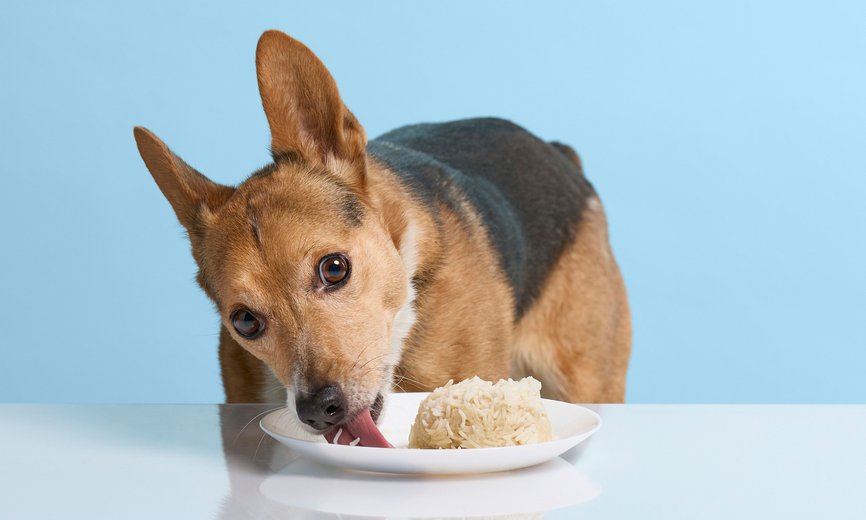
Boiled chicken and rice is the canine equivalent to the age-old, human remedy of chicken soup. This homemade dog food can serve as an excellent short-term alternative to their typical diet when your furry friend is feeling under the weather. It’s bland enough for most dogs with upset stomachs or temporary digestive issues, yet still enticing to picky eaters.
A sick dog is a sad dog, and that’s the last thing pet parents want. You can make this simple chicken and rice for dogs recipe when your sidekick is experiencing diarrhea or tummy troubles and hopefully set them on their way to happier times.
𝘈𝘴 𝘸𝘪𝘵𝘩 𝘢𝘯𝘺 𝘩𝘶𝘮𝘢𝘯 𝘧𝘰𝘰𝘥, 𝘱𝘦𝘵 𝘱𝘢𝘳𝘦𝘯𝘵𝘴 𝘭𝘰𝘰𝘬𝘪𝘯𝘨 𝘵𝘰 𝘪𝘯𝘤𝘰𝘳𝘱𝘰𝘳𝘢𝘵𝘦 𝘯𝘦𝘸 𝘧𝘰𝘰𝘥𝘴 𝘪𝘯 𝘵𝘩𝘦𝘪𝘳 𝘥𝘰𝘨’𝘴 𝘥𝘪𝘦𝘵 𝘴𝘩𝘰𝘶𝘭𝘥 𝘤𝘰𝘯𝘴𝘶𝘭𝘵 𝘸𝘪𝘵𝘩 𝘵𝘩𝘦𝘪𝘳 𝘷𝘦𝘵𝘦𝘳𝘪𝘯𝘢𝘳𝘪𝘢𝘯 𝘣𝘦𝘧𝘰𝘳𝘦𝘩𝘢𝘯𝘥.
Comforting Chicken and Rice for Dogs
Ingredients
- 1 cup white rice, uncooked
- 3 boneless, skinless chicken breasts
- Water (or optional chicken broth)
Instructions
1. Cook rice according to label directions.
2. As the rice cooks, place chicken breasts in another pot and fill with enough water to submerge completely. Cover pot.
3. Boil chicken on high heat for about 12 minutes, or until chicken is cooked all the way through. (If you’re using homemade broth, cook the chicken before the rice, making sure to skim any fat off the broth surface.)
4. Remove chicken from water and use a fork to shred into bite-sized pieces.
5. Mix chicken in uniformly with cooked rice.
6. Allow food to cool completely before serving; excess can be stored in the fridge or freezer.
When to Choose Chicken and Rice for Dogs
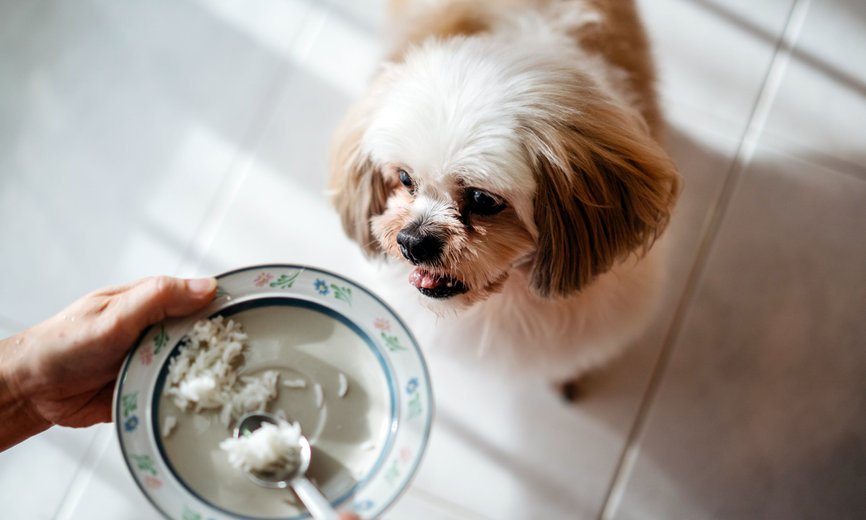
Many human foods are off limits to our canine friends, but chicken and rice are both on the list of safe foods. This basic recipe is easy on your dog’s digestive system and therefore a good option if they have diarrhea.
When your doggo is experiencing this less-than-pleasant ailment, they tend to do best with low-fat, easily digestible food. Plus, the basic combo is less likely to cause an upset stomach than their typical kibble or canned cuisine.
What makes chicken and rice ideal for dogs with upset stomachs?
- Boiled chicken is low in fat and high in protein, says Dr. Stephanie Howe, DVM, a pet health representative at Chewy.
- Rice is starchy and low in fiber, which creates a binding effect.
Dos and Don’ts of Chicken and Rice for Dogs
-
Do not use brown rice. While some vets recommend brown rice, it has extra fiber, which can make it harder to digest. “Long-grain white rice is best for soothing a grumpy tummy,” Dr. Howe says.
-
Do not add any seasonings or extras to the recipe. The point of the chicken and rice recipe is to soothe your dog’s stomach by using easily digestible, plain foods.
-
Do not overlook underlying health issues. Unless your vet recommends it, chicken and rice should not be used in place of your pet’s normal food if they have other health conditions. “Pets with underlying issues like food allergies, chronic diarrhea, pancreatitis, etc., should not be given chicken and rice meals unless directed to do so by their veterinarian,” Dr. Howe warns.
-
Do add chicken stock in place of water if you want to get a little fancy. Use homemade chicken broth and not store-bought chicken broth that may have added ingredients like spices, garlic and onion. “Garlic and onion can both be unsafe for your dog to consume,” Dr. Howe notes.
- Do call your vet if you’re concerned, if your pet’s health seems to be worsening, or if your doggo is still experiencing diarrhea after a few days on the chicken and rice diet.
How Much Chicken and Rice Should I Give My Dog?
The general rule of thumb is to replace your dog’s normal food with an equal amount of homemade chicken and rice dog food. For example, if your dog eats a half cup of kibble for breakfast and another half cup for dinner, you’d sub one full cup of chicken and rice portioned throughout the day.
Don’t go all in at once, though.
“If your pet has been vomiting, it is best to try out small portions at a time to make sure that they are holding it down,” Dr. Howe says. “Starting with a teaspoon for small dogs or a tablespoon for large dogs and giving that for the first hour to see if it holds would be best.”
If your pup can tolerate the initial amount, you can slowly increase the volume as the day wears on. “Small, frequent meals [are] better than one or two large meals,” she says.
Note that it could take a day or two to get your dog back on their normal volume of food. In this case, however, it’s better to feed them a little less for a few days than to feed them too much, too fast.
How Long Should I Keep My Pup on a Chicken and Rice Diet?
Chicken and rice isn’t meant to be given as an everyday dog food, nor is it suitable to be used in place of regular dog treats. It’s simply a short-term bland diet option intended for a sick dog.
A dog with diarrhea, for example, may be on the chicken and rice diet for up to one week, following a 12- to 24-hour fast (depending on your vet’s advice).
“With cases of diarrhea, we generally recommend continuing the boiled chicken and rice until the stools are back to normal,” Dr. Howe says.
Pet parents shouldn’t wait an entire week to call the vet, though, if there’s no early improvement in symptoms. Dr. Howe emphasizes the importance of making sure you're on the right track.
“If your pet’s diarrhea is not starting to resolve after a few days,” she explains, “then it is important to contact their veterinarian.”
The reason your dog shouldn’t eat chicken and rice long-term is because it isn’t a balanced diet.
“It’s short on several essential vitamins and nutrients such as calcium, and it doesn’t provide the well-rounded diet your pet’s typical food does,” Dr. Howe explains.
How to Transition Your Dog Back to Their Typical Dog Food
Once your dog’s stomach is back on track and their digestive system has returned to normal, they should slowly return to their regular dog food. The key here is to take your time.
Spend about one week transitioning your dog back to their regular diet using the following formula:
-
Days 1 and 2: 1/4 regular food to 3/4 chicken and rice
-
Days 3 and 4: half regular food, half chicken and rice
-
Days 5 and 6: 3/4 regular food to 1/4 chicken and rice
-
Day 7 and beyond: 100 percent of their typical dog food!
Homemade Dog Treat Recipes
Want to make your dog homemade treats? Check out our farmers’ market green smoothie and our peanut butter and jelly no-bake treats.
𝘛𝘩𝘪𝘴 𝘳𝘦𝘤𝘪𝘱𝘦 𝘸𝘢𝘴 𝘳𝘦𝘷𝘪𝘦𝘸𝘦𝘥 𝘣𝘺 𝘢 𝘷𝘦𝘵𝘦𝘳𝘪𝘯𝘢𝘳𝘪𝘢𝘯. 𝘐𝘧 𝘺𝘰𝘶𝘳 𝘱𝘦𝘵 𝘩𝘢𝘴 𝘢𝘯𝘺 𝘩𝘦𝘢𝘭𝘵𝘩 𝘪𝘴𝘴𝘶𝘦𝘴 𝘰𝘳 𝘪𝘧 𝘺𝘰𝘶𝘳 𝘥𝘰𝘨 𝘩𝘢𝘴 𝘢 𝘩𝘪𝘴𝘵𝘰𝘳𝘺 𝘰𝘧 𝘥𝘪𝘦𝘵𝘢𝘳𝘺 𝘴𝘦𝘯𝘴𝘪𝘵𝘪𝘷𝘪𝘵𝘺, 𝘤𝘰𝘯𝘴𝘶𝘭𝘵 𝘺𝘰𝘶𝘳 𝘱𝘦𝘵’𝘴 𝘷𝘦𝘵𝘦𝘳𝘪𝘯𝘢𝘳𝘪𝘢𝘯 𝘣𝘦𝘧𝘰𝘳𝘦 𝘰𝘧𝘧𝘦𝘳𝘪𝘯𝘨 𝘵𝘩𝘪𝘴 𝘧𝘰𝘰𝘥 𝘪𝘵𝘦𝘮.
𝘗𝘩𝘰𝘵𝘰𝘴: 𝘊𝘩𝘦𝘸𝘺 𝘚𝘵𝘶𝘥𝘪𝘰𝘴, 𝘩𝘹𝘺𝘶𝘮𝘦/𝘪𝘚𝘵𝘰𝘤𝘬/𝘎𝘦𝘵𝘵𝘺 𝘐𝘮𝘢𝘨𝘦𝘴 𝘗𝘭𝘶𝘴