Sort
Filter
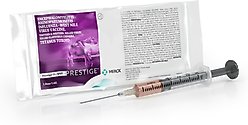
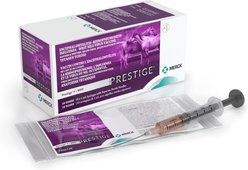

$53.99 Chewy Price
($53.99/mL) Price per Unit
$75.50 List Price
Autoship Price
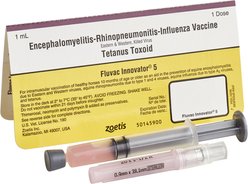
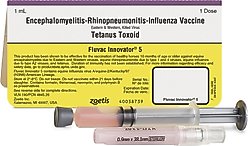
$32.92 Chewy Price
($32.92/mL) Price per Unit
Autoship Price
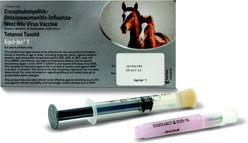
$67.99 Chewy Price
($67.99/mL) Price per Unit
Autoship Price
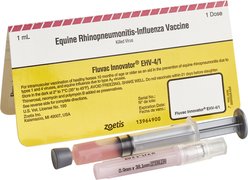
$25.79 Chewy Price
($25.79/mL) Price per Unit
Autoship Price
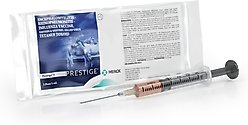
$28.99 Chewy Price
($28.99/mL) Price per Unit
$46.80 List Price
Autoship Price
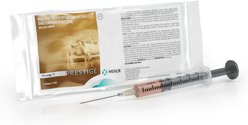
$21.99 Chewy Price
($21.99/mL) Price per Unit
$34.41 List Price
Autoship Price
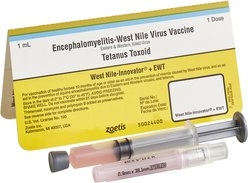
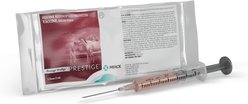
$20.49 Chewy Price
($10.25/mL) Price per Unit
$28.64 List Price
Autoship Price
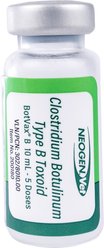
$122.99 Chewy Price
($12.30/mL) Price per Unit
$129.28 List Price
Autoship Price
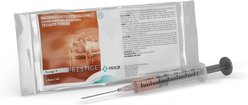
$12.49 Chewy Price
($12.49/mL) Price per Unit
$16.60 List Price
Autoship Price
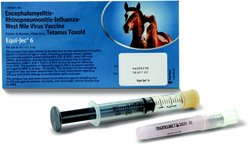
$60.39 Chewy Price
($60.39/mL) Price per Unit
Autoship Price
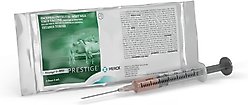
$31.99 Chewy Price
($31.99/mL) Price per Unit
$46.78 List Price
Autoship Price
$19.49 Chewy Price
($19.49/mL) Price per Unit
$28.85 List Price
Autoship Price
$8.49 Chewy Price
($8.49/mL) Price per Unit
$10.36 List Price
Autoship Price
$34.49 Chewy Price
($34.49/mL) Price per Unit
Autoship Price
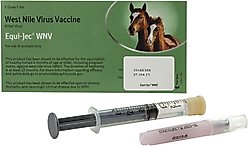
$29.59 Chewy Price
($29.59/mL) Price per Unit
Autoship Price
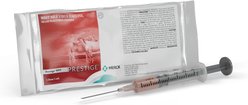
$26.49 Chewy Price
($26.49/mL) Price per Unit
$36.31 List Price
Autoship Price
Horse Vaccines
Reviewed by Dr. Teresa Manucy, DVM
Horse vaccines are the key to reducing your horse’s risk of serious disease or death from common equine diseases like rabies, tetanus, and encephalitis. Vaccines for horses are divided into two categories: core vaccines and risk-based vaccines. All horses require the core vaccines, while vets may only recommend certain risk-based vaccines for individual horses depending on where they live, how they’re used, their age, and their health history. The five core horse vaccines needed by all horses are:
- Rabies: A viral disease transmitted through the bite of an infected animal
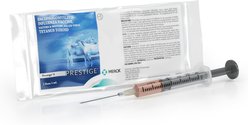
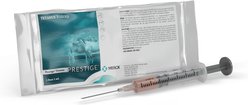
- Tetanus: An infection caused by bacteria found in soil that enter the body through open wounds
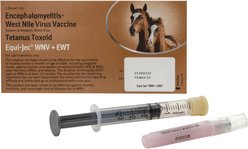
- Eastern equine encephalomyelitis (EEE): A rare but nearly always fatal viral infection transmitted through the bite of infected mosquitoes
- Western equine encephalomyelitis (WEE): A viral infection similar to EEE but with a much lower mortality rate
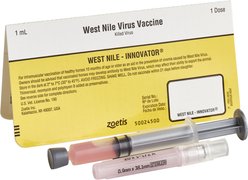
- West Nile virus: A mosquito-borne virus that causes neurologic disease with potentially fatal consequences
Most veterinarians recommend annual vaccinations each spring, though some horses may require booster shots or additional risk-based vaccines at other times of year. Consult your veterinarian for advice regarding your horse’s schedule of horse vaccines. If you choose to administer certain vaccines yourself, using Chewy’s Autoship ensures you get them right on schedule, as often as your vet recommends.
Frequently Asked Questions about Horse Vaccines
What vaccines do horses need?
All horses need the five core horse vaccines for rabies, tetanus, EEE, WEE, and West Nile virus. Your vet may also recommend certain risk-based vaccines depending on where you live as well as your horse’s use, age, and health history. Risk-based vaccines can vary by region, but some of the most common include anthrax, botulism, equine herpesvirus, equine influenza (EIV), equine viral arteritis (EVA), leptospirosis, Potomac horse fever, rotaviral diarrhea, snake bite, and strangles.
How often does a horse need to be vaccinated?
Adult horses should be vaccinated once or twice annually, with booster shots and risk-based vaccines given as needed, depending on individual risk factors. Foals should receive their first core horse vaccines between 4 and 6 months of age, depending on the vaccine and their mother’s vaccination status.
What happens if you don’t vaccinate your horse?
If you don’t vaccinate your horse, they may be more vulnerable to contagious and potentially deadly diseases. Vaccination may also reduce your horse’s risk of spreading disease to other horses, including their own foals.
Can I vaccinate my horse myself?
You can administer certain horse vaccines yourself if you’ve been trained to do so, but some vaccines (like rabies) must be administered and documented by a veterinarian. Always follow your veterinarian’s guidelines regarding your horse’s vaccinations, even if you administer them yourself.
Health Condition
Brand
5 Brands are shown below