Sort
Filter
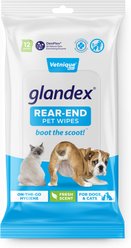

$5.99 Chewy Price
($0.50/ea) Price per Unit
Dog Vitamins & Supplements
Supplements for dogs are products you feed in addition to your dog's regular diet for added nutrition and/or health-enhancing benefits. While healthy canines fed a complete and balanced, high-quality dog food diet often do not require supplementation, dog vitamins and supplements may be helpful for those suffering from specific health conditions or behavioral issues. You can find dog supplements made for a variety of health issues—some of the most common ones include:
- Hip and joint supplements
- Multivitamin
- Skin and coat
- Probiotics, prebiotics and digestive enzymes
- Calming and anxiety aids
Some dog supplements may have preventative benefits, as well—dogs predisposed to problems like joint issues or age-related cognitive dysfunction can sometimes benefit from starting supplements before troubles develop. As with any dietary choice, be sure to talk to your vet before giving your pup any new supplement, as some may be harmful for your pet or mask underlying conditions. Once you find the right supplement for your dog, be sure to set up Autoship and have it delivered regularly to your home—that way, you'll never have to worry about running out!
Frequently Asked Questions about Dog Vitamins & Supplements
Do dogs need vitamins and supplements?
Some dogs do need vitamins and supplements, but you should always consult with your vet before deciding to supplement your canine’s diet. Most commercial dog foods have all the vitamins and nutrients dogs need to stay healthy and thrive. Dogs with certain health challenges, including older dogs with arthritis and those with chronic disease, may benefit from extra nutrients or supplements like glucosamine for joint health. Your vet can advise you on which supplements might benefit your pet.
What are the best vitamins and supplements for dogs?
The best vitamins and supplements are those your vet recommends specifically for your pet. Supplements like glucosamine and chondroitin may help dogs with joint issues, and antioxidants like vitamins C and E may help with inflammation and overall wellness. Discuss your dog’s diet and lifestyle habits with your vet and ask about the best vitamins and supplements for him.
What supplements do vets recommend?
Vets recommend supplements like glucosamine and chondroitin for dogs with joint problems, probiotics for dogs with digestive issues and omega fatty acids for those with skin and coat issues. Your vet will likely look at your dog’s health history, breed, age, diet and activity level before recommending a specific canine supplement.
Do dog vitamins expire?
Dog vitamins expire just like human vitamins do, so check the label on any vitamins you have that may be older. Expired dog vitamins may lack full potency, or they may potentially cause stomach upsets for your dog. Discard and replace any canine vitamins you have that may be past their prime.
Category
Trial Size Dog Supplements
Brand
1 Brand is shown below