What Is Canker in Horses? What Are the Signs?

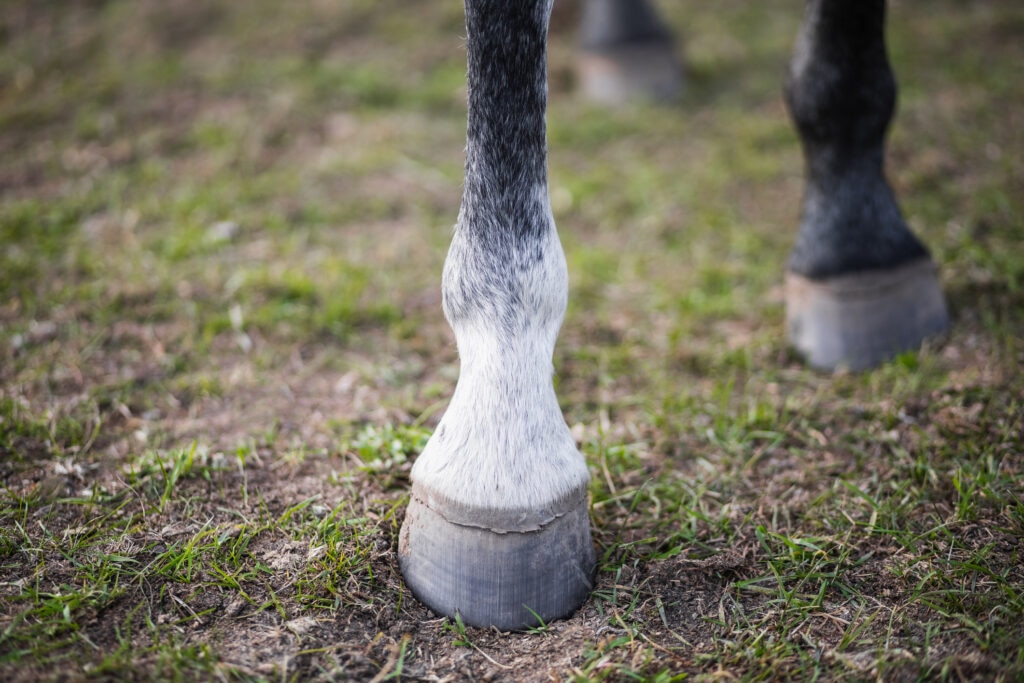
Photo by Alexander Pytskiy/iStock/Getty Images Plus
Canker in horses, otherwise known as proliferative pododermatitis, is a condition affecting the bottom of a horse’s hoof.
Canker is not a medical emergency, but your horse should be seen by your veterinarian rather than trying treatments yourself.

What Is Canker in Horses?
Canker is a chronic condition characterized by foul-smelling cauliflower-like tissue overgrowth that begins in the frog and spreads to the sole if left untreated.
Canker is not very common but other hoof problems can be mistaken for canker, such as abscesses and thrush, both of which are much more prevalent.
Canker is also somewhat regional in prevalence, more commonly found in the Southeastern United States.
Draft horses, such as Percherons or Clydesdales, are more susceptible to canker due to their large hooves, but any horse can end up with it if conditions are right.
Symptoms of Equine Canker
The lesion caused by canker in horses is often described as “cauliflower” or “crab meat” in appearance and usually has a foul odor and discharge.
Other signs of canker include:
- Gray-colored, wart-like appearance early on.
- Sensitivity to touch (the horse will react negatively when the canker is touched)
- Lameness may or may not be present
Canker in horses may involve one or all four feet, but it’s more common in the hind feet.
What Causes Canker in Horses?
Canker often doesn’t have an exact cause, but it’s associated with moist, warm environments. The condition can be bacterial, viral, or fungal.
Your horse is more likely to develop canker in unsanitary living conditions (e.g., dirty, wet bedding), or if they have pre-existing autoimmune disorders.
How Veterinarians Diagnose Canker in Horses
Diagnosis of canker is made by the unmistakable visual appearance. However, there may be times when an X-ray or biopsy of the tissue is needed.
Treating Canker in Horses
If you notice potential canker symptoms in your horse, make an appointment with your veterinarian as soon as possible. Canker is not typically treatable with home remedies alone, and the condition can spread quickly.
Treatment for canker in horses consists of surgically removing all of the abnormal tissue from the bottom of the hoof. Your horse will likely be put under standing or general anesthesia because the procedure can be very painful.
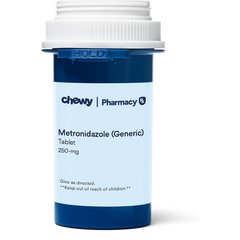
Antibiotics are used both systemically and locally on the lesion after surgery. Typically, metronidazole tablets can be ground into a paste and applied directly on the hoof.
Recommended Product
Laser treatment of the area may also be used to ensure the infectious tissue is gone.
Complete resolution of canker can take weeks to months. Horse owners should be prepared to clean the foot, apply medication, and keep the foot dry for an extended period of time.
How Can I Help My Horse Feel More Comfortable?
Helping a horse feel more comfortable with canker can be difficult because it can be a very painful condition.
The most important step in returning your horse’s foot to good health is following your veterinarian’s guidelines on post-surgical care. This will involve changing foot wraps, applying topical disinfectants and antibiotics, and keeping the stall clean and dry.
Recommended Product
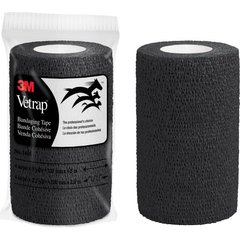
You may also use hoof boots to help your horse’s feet heal with solid protection.
Recommended Product

Equine Canker Prevention
Because canker does not have one specific known cause, there are no hard or fast rules to preventing it. Canker has even occurred in horses who are living in very clean and dry conditions, so complete prevention may not be possible.
Keeping your horse’s feet healthy is the best way to prevent multiple types of hoof problems.
Remember to pick your horse’s feet out daily, and schedule regular farrier visits.
Recommended Product
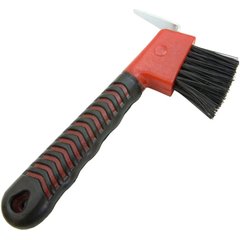
You may also choose to use a hoof supplement, if needed, to improve hoof quality.
Recommended Product
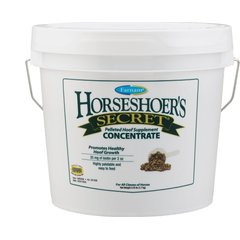
Always check with your veterinarian before adding a new supplement to your horse’s diet.
FAQs About Canker in Horses
What is the prognosis for a horse with canker?
With complete surgical removal of the canker lesion and proper recovery, the prognosis is very good. Regular follow-up appointments should be scheduled with your veterinarian to ensure the canker lesion doesn’t return after surgical removal.
What does canker look like on a horse?
Canker is a white/gray frond-like lesion that is often described as looking like cauliflower. The canker is visibly different tissue than the normal frog and sole tissue, and is typically spongy to the touch. You will also notice a foul odor and cottage cheese-like discharge.
Is canker painful for horses?
Yes, canker is usually a very painful condition. Horses with canker can show pain when the canker is touched, or they may be lame.