Sort
Filter
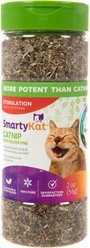


$6.82 Chewy Price
($3.41/oz) Price per Unit
$6.99 List Price
Autoship Price
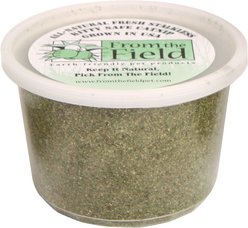
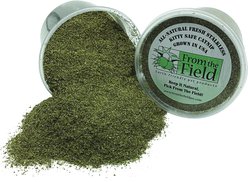
$8.11 Chewy Price
($2.32/oz) Price per Unit
Autoship Price
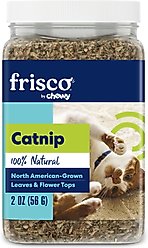
$3.94 Chewy Price
($3.94/oz) Price per Unit
$8.39 List Price
Autoship Price
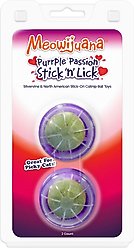
$6.99 Chewy Price
($3.50/ea) Price per Unit
Autoship Price
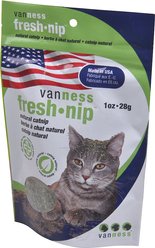
$4.29 Chewy Price
($4.29/oz) Price per Unit
Autoship Price
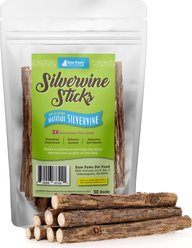
$13.99 Chewy Price
($0.47/ea) Price per Unit
$22.99 List Price
Autoship Price
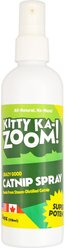
$6.99 Chewy Price
($1.75/fl oz) Price per Unit
Autoship Price
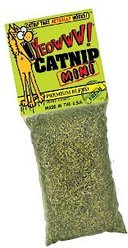
$1.88 Chewy Price
($13.43/oz) Price per Unit
$2.35 List Price
Autoship Price
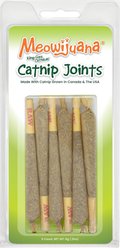
$12.95 Chewy Price
($12.95/ea) Price per Unit
$12.99 List Price
Autoship Price
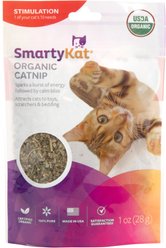
$6.49 Chewy Price
($6.49/oz) Price per Unit
$6.99 List Price
Autoship Price
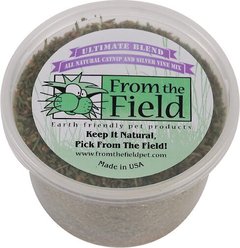
$8.99 Chewy Price
($4.50/oz) Price per Unit
Autoship Price
$10.99 Chewy Price
($10.99/oz) Price per Unit
$18.99 List Price
Autoship Price
$9.99 Chewy Price
($10.90/oz) Price per Unit
Autoship Price
$10.49 Chewy Price
($5.25/ea) Price per Unit
New
$11.99 Chewy Price
($3.27/oz) Price per Unit
$12.99 List Price
Autoship Price
Bundle and Save 5%
$14.90 Chewy Price
$15.68 List Price
Autoship Price
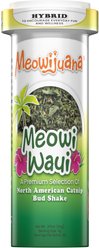
$9.39 Chewy Price
($9.39/ea) Price per Unit
$15.95 List Price
Autoship Price
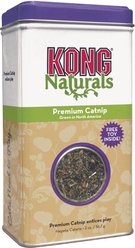
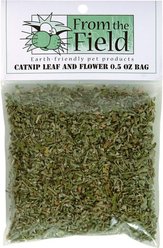
$6.99 Chewy Price
($13.98/oz) Price per Unit
Autoship Price
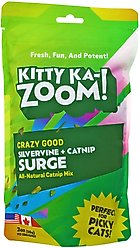
$4.99 Chewy Price
($2.50/oz) Price per Unit
Autoship Price
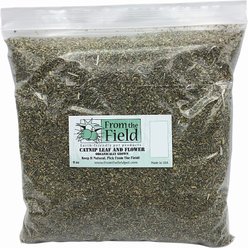
$20.49 Chewy Price
($2.28/oz) Price per Unit
$24.99 List Price
Autoship Price
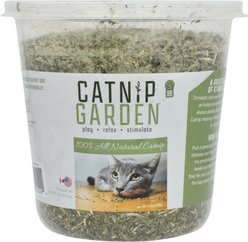
$7.99 Chewy Price
($3.20/oz) Price per Unit
$11.96 List Price
Autoship Price
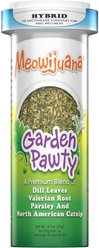
$5.00 Chewy Price
($5.44/oz) Price per Unit
$9.99 List Price
Autoship Price
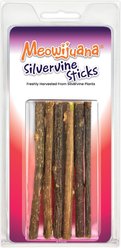
$8.99 Chewy Price
($1.50/ea) Price per Unit
$9.99 List Price
Autoship Price
New
$19.18 Chewy Price
($9.59/ea) Price per Unit
$20.00 List Price
Autoship Price

Bundle and Save 5%
$14.43 Chewy Price
$15.18 List Price
Autoship Price
$11.62 Chewy Price
($0.59/g) Price per Unit
$11.99 List Price
Autoship Price

$8.99 Chewy Price
Autoship Price
$17.78 Chewy Price
($0.30/g) Price per Unit
$18.99 List Price
Autoship Price
$4.99 Chewy Price
($4.99/fl oz) Price per Unit
Autoship Price
Catnip
Catnip is a natural herb that many cats find irresistible. Whether in dried form, sprays, toys, or infused scratchers, it can provide both playtime stimulation and relaxation for your feline friend. For some, exposure leads to bursts of energetic behavior, while others become calm and content. Understanding how catnip for cats works can help you choose the best option for your pet.
The active compound in this herb, nepetalactone, interacts with receptors in a cat’s nose and stimulates the brain. The response is inherited, so not every cat will be affected, but for those who are, it can offer meaningful mental and physical enrichment. Many pet parents use it to encourage exercise, support positive behavior, or introduce new environments like carriers and scratchers. Here are some things to consider when shopping for catnip:
-
Form of catnip: Available as loose leaf, spray, or infused in toys and scratchers
-
Potency and freshness: Fresher catnip usually contains higher levels of nepetalactone, the compound that triggers reactions
-
Organic options: Some varieties are organically grown for pet parents who prefer natural choices
-
Mess level: Loose catnip can scatter easily, while sprays and toys offer a tidier alternative
-
Cat’s age and sensitivity: Not all cats respond to catnip, especially kittens under six months
Used strategically, catnip can be a fun and beneficial part of your cat’s routine. It’s especially helpful for indoor cats who need outlets for energy and curiosity. With Chewy’s Autoship option, you can keep your favorite catnip for cats stocked regularly, ensuring freshness and convenience for ongoing enrichment.
Frequently Asked Questions about Catnip
What is catnip and how does it affect cats?
Catnip is a plant that contains a compound called nepetalactone, which can trigger a behavioral response in cats. Many cats become playful, energetic, or relaxed after exposure, though not all cats are sensitive to catnip.
Is catnip safe for cats to use regularly?
Catnip for cats is generally safe when used in moderation. It’s non-addictive and nontoxic, but it's best to limit use to a few times per week to prevent overstimulation or reduced sensitivity.
At what age can cats start using catnip?
Most cats start responding to catnip around 6 months of age. Younger kittens typically don't react to catnip, so it's best to wait until they are older before introducing it.
Can I give catnip to my cat every day?
While catnip is safe, daily exposure may lessen its effects over time. It's recommended to use catnip for cats a few times per week to keep their interest and ensure they continue to enjoy its benefits.
What forms of catnip are available?
Catnip comes in several forms including dried leaf, sprays, and toys. Each type of catnip for cats offers a different experience, so pet parents can choose based on their cat's preferences and play habits.
Is it okay for cats to eat catnip?
Yes. Catnip is nontoxic and safe for cats to eat in small amounts. While most cats prefer rolling in it or sniffing it, some enjoy chewing on the leaves. If your cat eats a lot of catnip, they may experience mild digestive upset, so it's best to offer it in moderation.
Save 5% on repeat deliveries
Brand
7 Brands are shown below