Sort
Filter
$34.99 Chewy Price
$44.99 List Price
$23.99 Chewy Price
$40.99 List Price
$32.24 Chewy Price
$41.99 List Price
$78.36 Chewy Price
$97.95 List Price
$29.99 Chewy Price
$44.99 List Price
$26.24 Chewy Price
$34.99 List Price
$39.99 Chewy Price
$44.99 List Price
$25.99 Chewy Price
$28.99 List Price
$31.99 Chewy Price
$58.99 List Price
$31.96 Chewy Price
$47.99 List Price
$16.99 Chewy Price
$20.00 List Price

$53.99 Chewy Price
$55.99 List Price
$34.00 Chewy Price
$41.99 List Price
Horse Bits
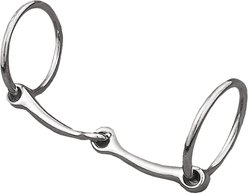
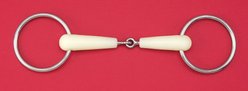
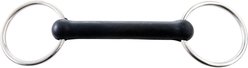
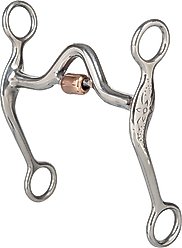
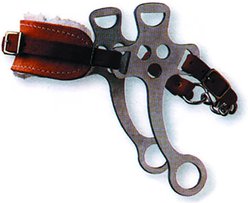
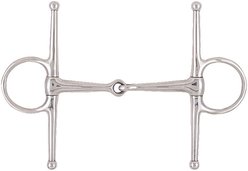
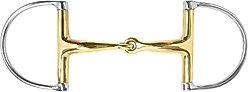
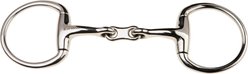
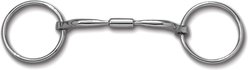
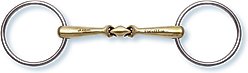
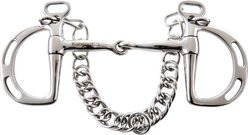
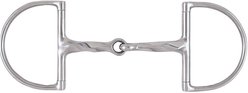
Horse bits help you transit important cues to your horse by exerting safe pressure on the mouth. There are two main types—the snaffle bit and curb bit—and there are many subtypes of each. You can also find bitless bridles that perform a similar function without the mouthpiece. Some popular bit types for riding include:
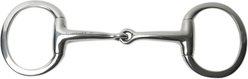
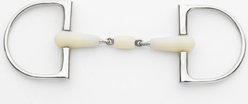
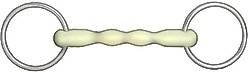
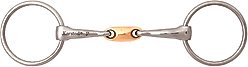
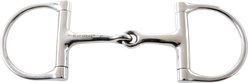
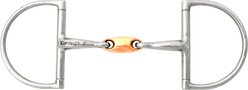
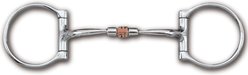
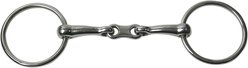
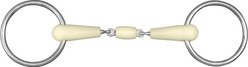
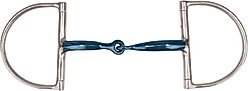
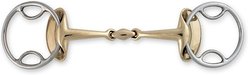
- Snaffle horse bits: Choose from D-ring, loose ring, eggbutt, copper, full cheek, and more
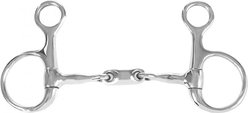
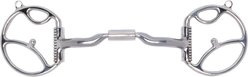
- Leverage or curb bits: Includes Kimberwick, Pelham, and Tom Thumb bits
Bits come with mouthpieces made of stainless steel, copper, sweet iron, or polymer to ensure durability and comfort. Some also taste good to horses, to better encourage acceptance. You’ll want to choose a bit that fits your riding style, discipline, and level of experience, as well as the temperament, size, and age of your horse. Whichever kind of bit you need, you can find it right here at Chewy. Shop our extensive selection and find the perfect one!
Frequently Asked Questions about Horse Bits
What are the different types of horse bits?
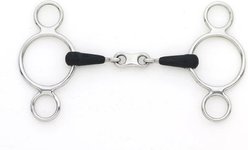
The different types of horse bits include the snaffle bit and curb (leverage) bit, but there are many different styles of each. There are also combined bits—which exert both snaffle and curb pressure for leading horses.
How do I know which bit to use for my horse?
The best way to know which bit to use for your horse is to consult your trainer or an experienced equestrian. Different riding styles may require different types of bits, and the right bit will depend on your horse’s training level, temperament, and mouth sensitivity. Your level of expertise and style matter, too—a milder bit may be recommended for riders with less experience on the reins.
Which bit size is the right one for my horse?
The right bit size for your horse is the one that most closely matches your horse’s mouth width where the bit will sit. Use a bit sizer to measure, or you can use a string to measure your horse’s mouth from corner to corner. Depending on the type of bit you choose, you may need to add up to a half an inch to get the proper fit.
Which bit should I choose for a young horse?
Choose a gentle but responsive bit for a young horse—many experts like to start with snaffle bits for younger and inexperienced horses. A thicker, milder bit will be more forgiving as your horse is learning, but take care not to get one that’s too thick for your horse’s mouth. Opinions vary widely on which specific types are best, and things like temperament and training objectives play an important role. Talk to your trainer or an expert in your discipline for the best guidance.
Which is the kindest bit for a horse?
The kindest bit for a horse is often one that exerts gentle but clear pressure, so many consider snaffle bits to be a good choice for most. Mullen mouth and loose ring styles are often favored as kinder bits, but opinions vary widely—and a lot depends on proper handling from the rider. Talk to your trainer or vet for expert guidance on the kindest, most appropriate bits for your horse.
What is the difference between a snaffle bit and a curb bit?
The difference between a snaffle bit and a curb bit is that a snaffle applies direct pressure, while a curb bit applies leverage through the shanks. Curb bits amplify pressure, so they are best used by experienced riders and horses.
Tack Type
Horse Product Type
Riding Style
Brand
7 Brands are shown below