Sort
Filter
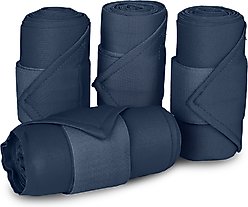
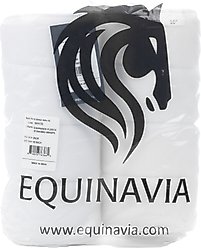
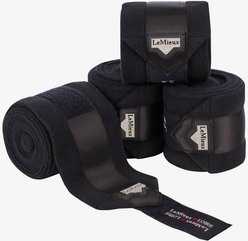

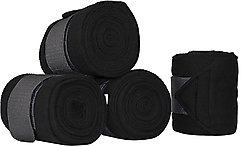
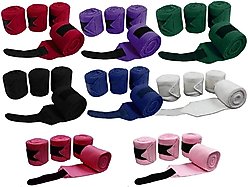
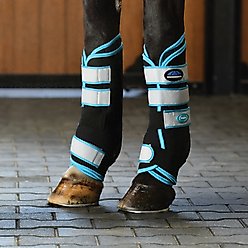
$67.00 Chewy Price
$89.99 List Price
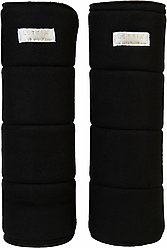
$65.00 Chewy Price
$79.99 List Price
$99.95 Chewy Price
$119.94 List Price
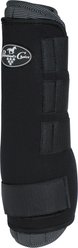
$116.99 Chewy Price
$133.95 List Price
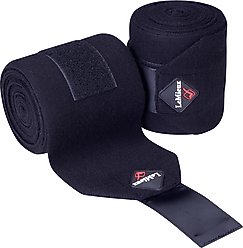
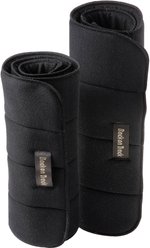
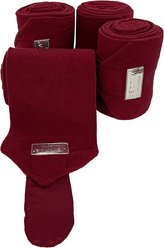
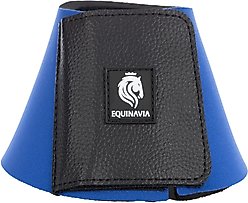
$18.74 Chewy Price
$24.99 List Price
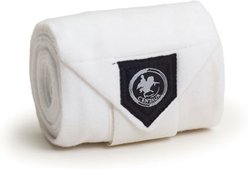

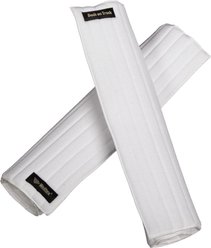
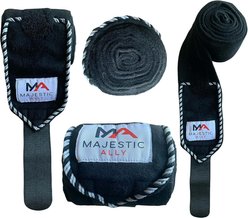
Horse Leg Wraps
Horse leg wraps are a vital part of equine care, offering protection, support, and therapeutic relief for horses of all ages and activity levels. From preventing injuries to aiding in recovery, the right leg wrap can make a meaningful difference in your horse’s comfort and performance. There are several types of horse leg wraps, each designed for a specific need:
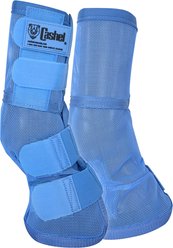
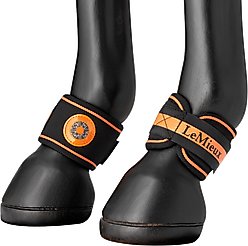
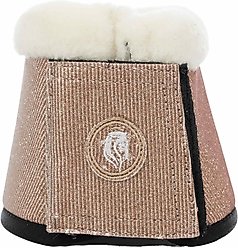
- Fly boots: Lightweight wraps that shield your horse’s legs from biting flies, burrs, and debris during turnout.
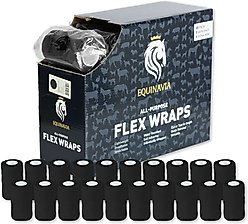
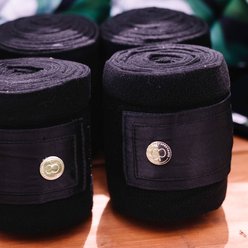
- Polo wraps: Also called exercise wraps, these provide support during training, riding, or workouts.
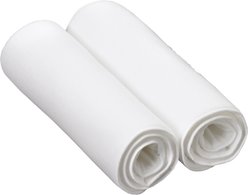
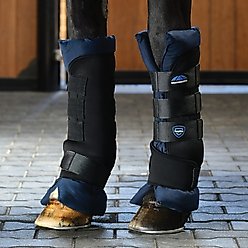
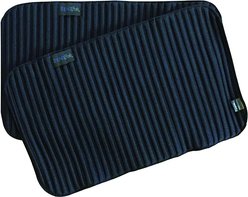
- Stable wraps: Often referred to as standing wraps, they help protect and stabilize your horse’s legs when resting in the stall.
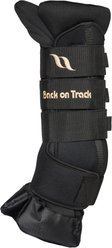
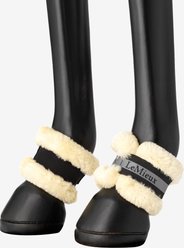
- Therapeutic wraps: Designed to promote circulation and recovery, these include cooling wraps, compression boots, and more.
Whether your horse is an active competitor or a beloved pasture companion, horse leg wraps help protect joints, reduce inflammation, and provide targeted care when it matters most.
Frequently Asked Questions about Horse Leg Wraps
What are horse leg wraps used for?
Horse leg wraps, or bandages, are protective coverings for horses’ legs during riding, turnout, hauling, or stall rest. Leg wraps support their joints and tendons and reduce swelling by encouraging blood circulation.
How do polo wraps protect horses’ legs?
Polo wraps provide light support and protect a horse’s legs from bumps or interference during exercise. They cover the cannon bone and tendons, helping prevent scrapes or knocks—especially during schooling, flatwork, or light jumping.
What are the different types of horse leg wraps?
The different types of horse leg wraps are polo wraps, standing wraps, and therapeutic wraps.
How long can you leave leg wraps on a horse?
How long you can leave leg wraps on a horse depends on the type of wrap you’re using. Polo wraps should be removed when training or exercise is over. Standing wraps can be left on overnight or up to 12 hours. Wraps should be changed or removed to prevent overheating or dampness.
What is the difference between polo wraps and stable wraps?
The main difference between polo wraps and stable wraps is their intended use. Polo wraps are used to prevent injuries when a horse is in motion—such as when lunging or being ridden. Stable wraps are used to prevent swelling in horses’ legs when they will be standing for long periods of time. Stable wraps are used with padding to provide extra protection and evenly distribute pressure throughout a horse’s leg.
Tack Type
Riding Style
Horse Product Type
Brand
7 Brands are shown below