6 Signs Your Dog Is Cold



Photo by Chewy
Cold weather affects dogs differently. Some dogs are built for winter, while others don’t handle the cold well and struggle to stay warm. Knowing how cold is too cold for dogs—and recognizing the signs your dog is cold—can help pet parents act early and prevent serious health problems.
Key Takeaways
- Dogs show physical and behavioral signs when they’re cold, such as shivering or seeking warmth.
- Some signs are mild and easy to address, while others may point to hypothermia and need urgent care.
- Small dogs, dogs with short hair, senior dogs, puppies, and dogs with certain medical conditions tend to get cold faster and need extra protection.
- Pet parents can help keep dogs warm by limiting cold exposure, using proper gear, and providing warm shelter.
How Do I Know if My Dog Is Cold?
Dogs can’t tell us when they’re uncomfortable, but their bodies and behavior give us clues.
1. Shivering or Trembling
Shivering is often one of the earliest signs a dog is cold. It happens when the body contracts muscles to generate heat, and it’s a completely normal response to feeling cold.
In mild cases, shivering simply means your dog needs warmth. Offering a fuzzy blanket or dressing your pup in a dog sweater or coat can help keep them comfortable.
Recommended Products


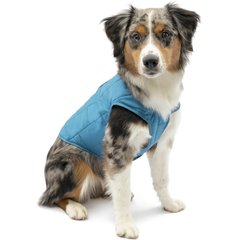
But if the shivering is intense, persistent, or accompanied by weakness, confusion, or lethargy, it may be a sign of hypothermia. This can become a medical emergency if it doesn’t stop after warming your dog.
Bring your dog indoors, dry them if they’re wet, and provide warmth right away. If shivering continues, contact your veterinarian for guidance.
2. Curling Up or Tucking the Tail
Dogs may curl into a tight ball or tuck their tail close to their body to conserve heat. Like shivering, this behavior is usually an early sign of being cold.
While this behavior alone isn’t an emergency, it does indicate discomfort, so offer a warm dog bed, extra blankets, or move your dog to a warmer area.
Recommended Products


3. Seeking Warm Places
A cold dog may stick close to heaters, burrow under blankets, or press against people or other pets. This behavior isn’t an emergency on its own, but it’s a clear sign your dog needs help staying warm.
Make sure heat sources are safe, and never let your dog lie directly on heating devices that could cause burns.
4. Holding up Their Paws
Dogs may lift one or more paws when walking outside in winter, especially on snow or ice. This is a telltale sign that the ground is too cold for their feet.
Protective shoes and booties can help keep paws warm and prevent injury.
Recommended Product
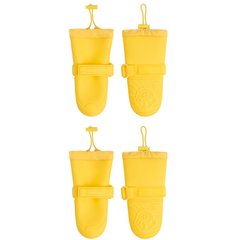
Dog boots also protect against winter hazards, such as snow and ice buildup between toes and exposure to ice melt products that can irritate a dog’s skin and cause cracked paw pads.
5. Cold Ears, Paws, or Tail
When dogs are cold, extremities like the ears, paws, and tail often feel cool to the touch because they lose heat faster than the core of the body.
Cool extremities can be an early warning sign of hypothermia. If the skin becomes very cold, pale, or hard, frostbite may be present. Contact your veterinarian immediately and follow their guidance.
6. Lethargy or Slowed Movements
Dogs who are cold may seem unusually tired, stiff, or reluctant to move.
Mild lethargy often improves once the dog is warmed. However, weakness, collapse, or a lack of normal responsiveness may indicate hypothermia and should be treated as a medical emergency. Seek veterinary care right away.
Keeping Dogs Safe and Warm in Winter
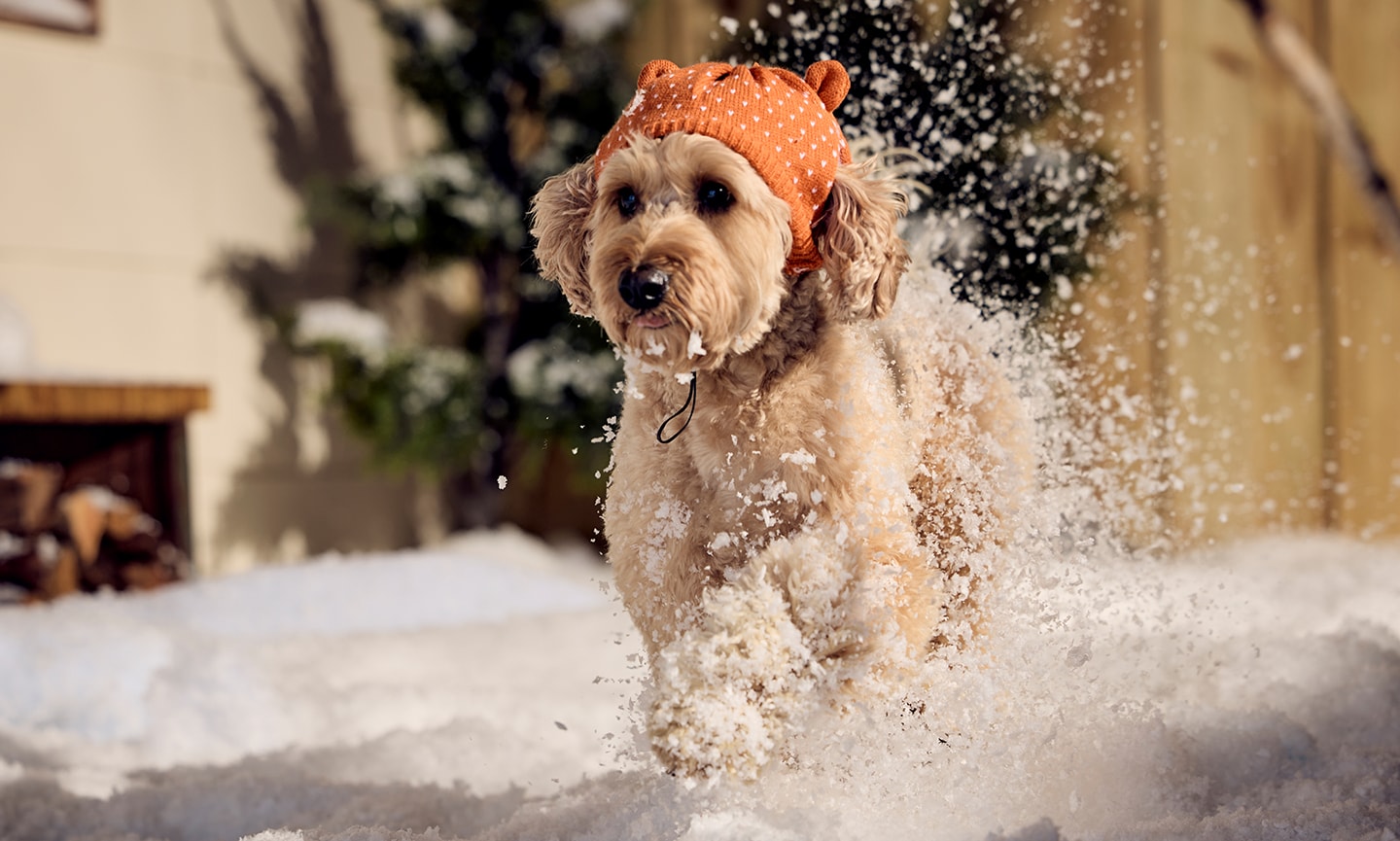
Photo by Chewy
Pet parents can help protect dogs from cold weather by:
- Limiting time outdoors: Never leave dogs outside for long periods, especially in freezing, wet, or windy conditions.
- Offering warm bedding: Heated dog beds can be especially helpful for very young, very old, or very small dogs. Keep all bedding and blankets away from drafty areas of your home.
Recommended Product

- Dressing for the weather: Dog clothing can help dogs retain body heat. Some breeds, like Chihuahuas, might even need to wear a shirt or sweater indoors when it’s especially chilly.
- Keeping up with grooming: Brushing your dog regularly prevents mats, which reduce insulation against the cold.
Recommended Products


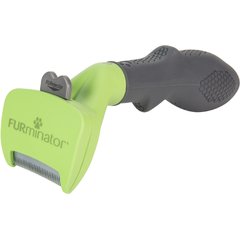
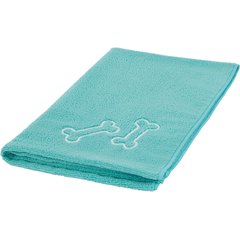
- Drying thoroughly: After walks in snow or rain, dry your dog with a towel to stop them from becoming cold.
Recommended Product
Always check with your veterinarian if you’re unsure how to protect your dog from cold weather, especially if your pup is a senior, very young, or has underlying health conditions.
FAQs About Dogs and Cold Weather
How cold is too cold for dogs?
This varies based on size, breed, coat type, age, and health. Some dogs feel cold when temperatures drop below 45 F, while others tolerate colder weather. Watch your dog’s behavior for signs of discomfort.
Are some dogs more sensitive to cold than others?
Yes. Small dogs, short-haired breeds, senior dogs, puppies, and dogs with medical conditions tend to lose body heat faster and need extra protection.
Can dogs get hypothermia?
Yes. Hypothermia can develop when a dog’s body temperature drops too low, particularly after prolonged exposure to cold or wet conditions. It’s a medical emergency.
Should dogs wear sweaters or coats?
Some dogs benefit from sweaters or coats in cold weather, especially those without thick fur. Make sure clothing fits properly and doesn’t restrict your pup’s movement.
When should I call the vet?
Contact your veterinarian immediately if your dog shows severe shivering, weakness, confusion, collapse, or fails to warm up after being brought indoors.
Attributions
This article was created with assistance from AI tools. The content has been reviewed for accuracy and edited by a veterinarian.