Why Do Dogs Pant?


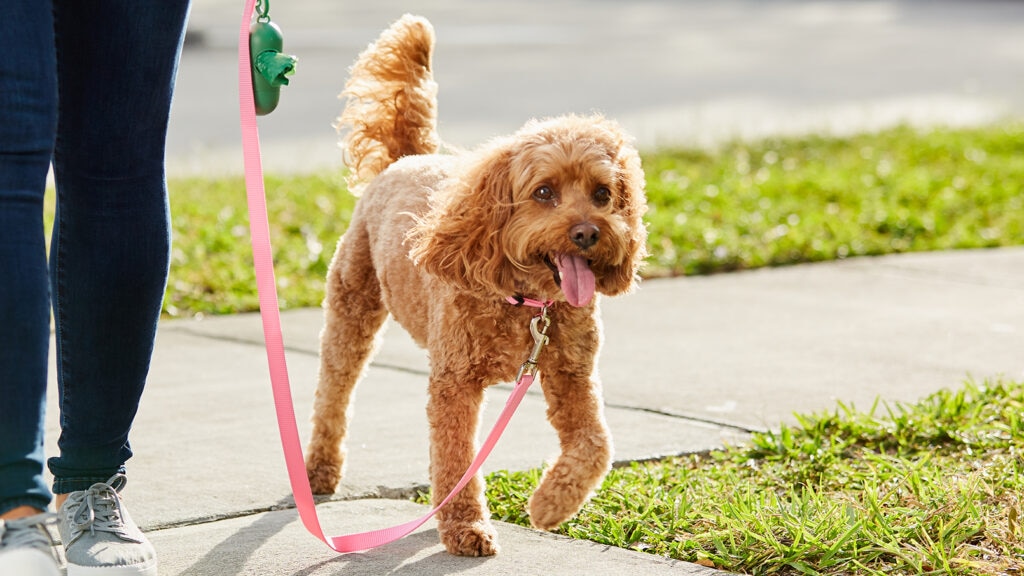
Photo by Chewy
Panting is a normal behavior that helps dogs regulate their body temperature and cool themselves down. Because they don’t sweat like humans, panting helps keep them comfortable—and can also reflect excitement or stress. Here’s why dogs pant and how to help your pup stay cool.
Key Takeaways
- Panting is a normal behavior that helps dogs regulate their body temperature because they don’t sweat like humans do.
- Dogs commonly pant when they’re hot, excited, anxious, thirsty, or after physical activity.
- Certain breeds, medications, age-related changes, and body weight can make some dogs pant more than others.
- While panting is usually harmless, sudden changes in breathing patterns or panting without an obvious reason should be discussed with a veterinarian.
Why Do Dogs Pant?
Panting is one of the primary ways dogs regulate their body temperature and respond to their environment, says Wendy Hauser, DVM, founder of Peak Veterinary Consulting in Colorado.
Here are the most common reasons dogs pant—and why it’s usually completely normal.
They’re Hot, Excited, or Thirsty
Panting helps release excess body heat, Dr. Hauser explains. It’s also normal to pant after exercise, play, or when they’re feeling excited.
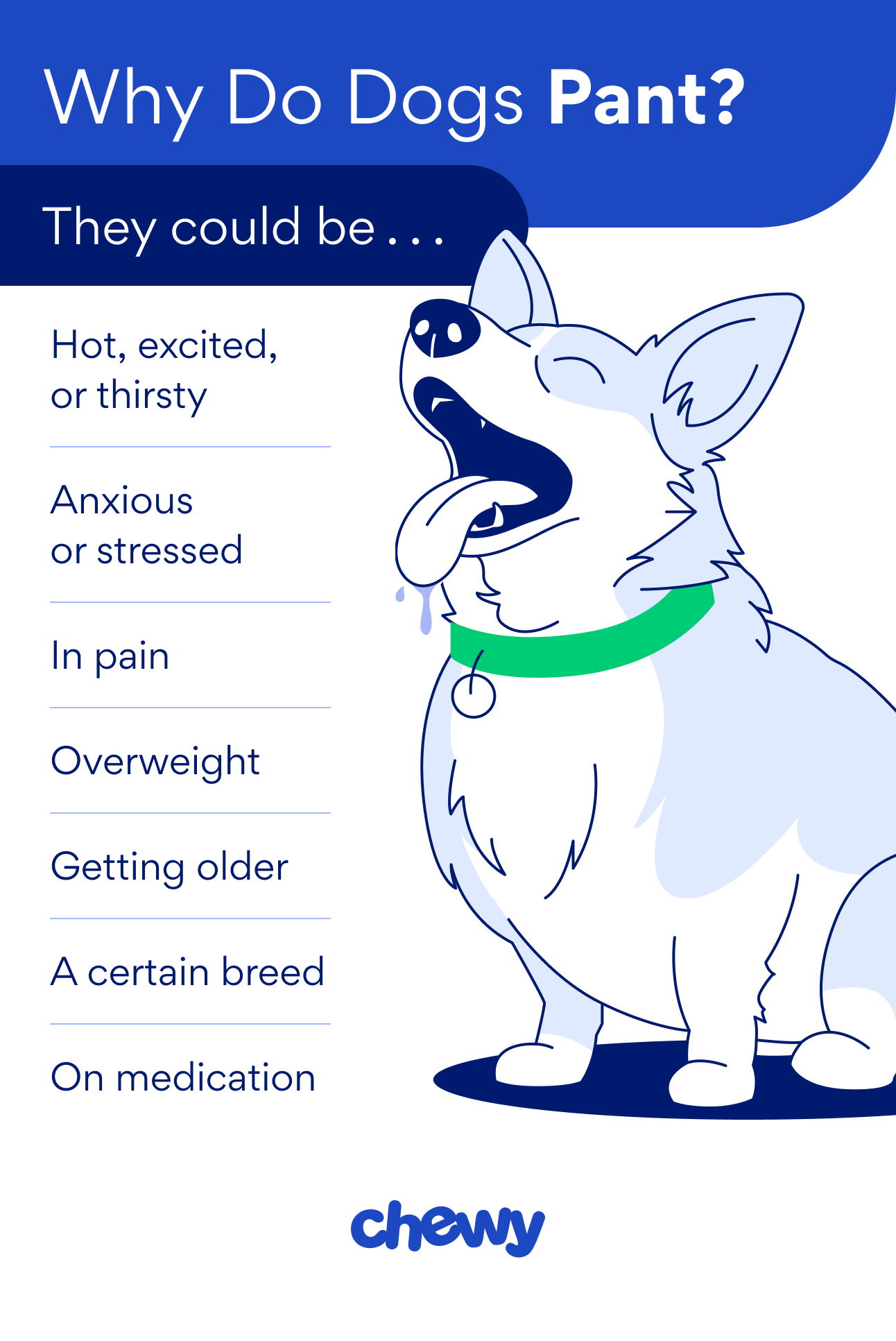
Photo by Chewy
They’re Anxious or Stressed
Panting can be a response to emotional stress. If your dog is nervous—like during a thunderstorm or when left alone—you may also notice pacing, whining, or a tucked posture.
They’re in Pain
Dogs sometimes pant when they’re uncomfortable. Look for other clues, like restlessness, whimpering, or licking a sore spot.
They’re Overweight
Carrying extra weight makes it harder to regulate body temperature and can put strain on the heart and lungs, which may lead to more frequent panting.
They’re Getting Older
Senior dogs may pant more due to age-related changes, including anxiety, arthritis, or reduced sensory awareness.
They’re a Certain Breed
Short-nosed (brachycephalic) breeds like Bulldogs, Pugs, and Boxers tend to pant more because their airways are narrower, making cooling less efficient.
They’re on Medication
Some medications, such as prednisone, can increase panting as a side effect. If you notice new or persistent changes after starting a medication, check with your veterinarian.
When Dog Panting May Signal a Problem
Panting is usually normal—but if it’s intense, sudden, or paired with other symptoms, it can signal a problem. Common medical reasons include:
- Heatstroke: Look for heavy breathing, bright red gums or tongue, thick saliva, vomiting, weakness, or uncoordinated movement. This is an emergency—seek veterinary care immediately.
- Sudden illness or toxin exposure: If panting starts abruptly and your dog also seems weak, vomits, or struggles to breathe, head to an emergency vet.
- Ongoing medical conditions: Issues like heart disease, Cushing’s disease, anemia, or respiratory disorders can increase panting—especially when paired with pale gums, lethargy, increased thirst, or reduced activity.
How To Keep Your Dog Cool
If your dog is panting because they’re hot, try these simple steps:
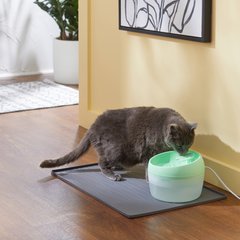
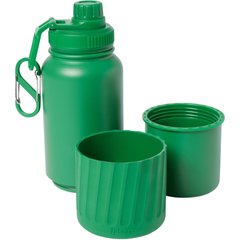
- Offer fresh, cool water at all times.
Recommended Products
- Move to shade or indoors to lower their body temperature.
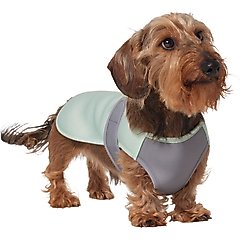
- Use cooling gear, like a cooling vest, to promote airflow.
Recommended Product
- Apply a cool (not ice-cold), damp towel to the body.
- Create airflow with a fan or air conditioning.
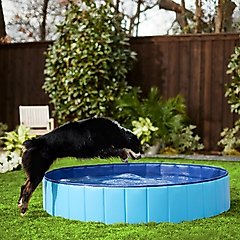
- Let them splash safely, such as in a shallow pool.
Recommended Product
- Plan walks during cooler hours, like early morning or evening.
Keeping your dog comfortable in warm weather helps reduce normal heat-related panting and lowers the risk of overheating.
In most cases, panting is just part of being a dog. Understanding what’s normal for your pup makes it easier to spot when something’s off.
Attributions