Best Pets for Kids: Family-Friendly Options


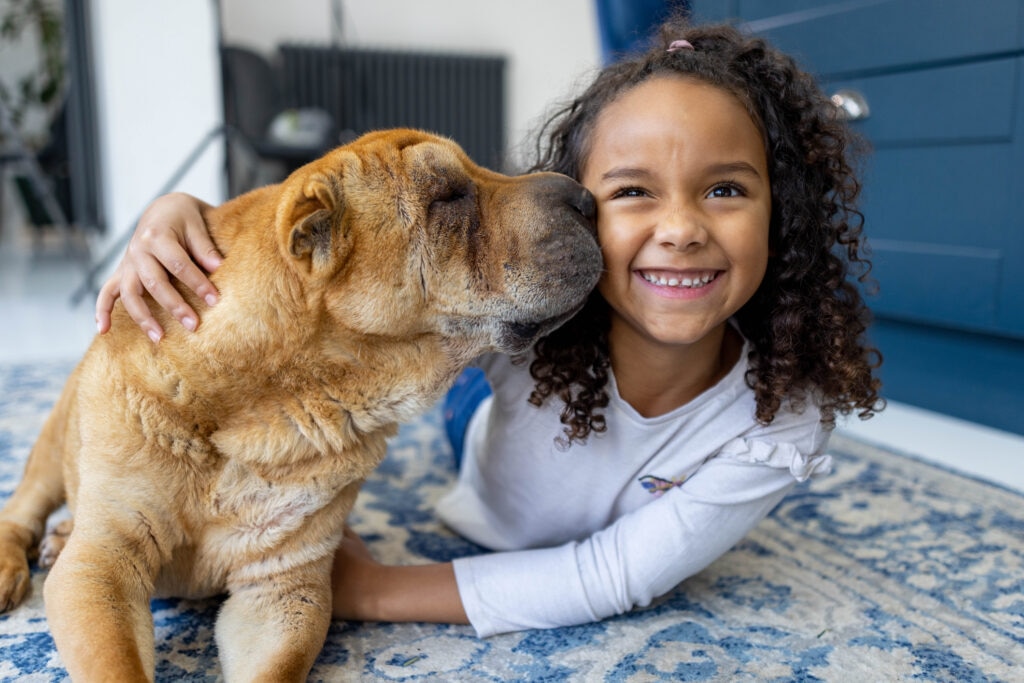
Photo by SolStock/E+
Finding the best pets for kids isn’t about picking the cutest animal—it’s about choosing a companion who fits your child’s age and energy level and your family’s routine. The right match can teach responsibility, empathy, and confidence. The wrong match can create stress for both your child and the pet.
Here’s how to decide which pet may be the right fit for your family.
Key Takeaways
- The best pets for kids depend on a child’s age, maturity, and your family’s lifestyle.
- Some animals are more interactive (like dogs), while others are considered less interactive (like fish).
- No pet is completely low maintenance, but some require less daily hands-on care.
- Adult supervision is always needed, especially with small pets.
- Choosing the right pet helps set both kids and animals up for success.
What Are the Best Pets for Kids?
The best pets for kids are animals that match a child’s developmental stage and your family’s ability to provide consistent care. Popular options include dogs, cats, small mammals, fish, and reptiles.
Best Pets for Toddlers (Ages 3–5)
At this age, children are still learning gentle handling and impulse control. That means pets should be:
- Always supervised
- Primarily cared for by adults
- Safe to watch rather than handle often
Fish are often a good introduction to pet ownership because toddlers can help sprinkle food (with supervision) and learn routines. At this stage, think of pets as family pets rather than the child’s responsibility.
Best Pets for Elementary-Age Kids (6–10)
Children in this age group can begin helping more actively with pet care. Kids can help with feeding, habitat cleaning (with assistance), and playtime.
Good animal options may include:
- Guinea pigs, which are social and interactive
- Hamsters, with gentle handling and supervision
- Calm, family-friendly dogs
- Cats with tolerant temperaments
Best Pets for Older Kids and Teens
Teens can take on greater responsibility and may enjoy more hands-on interaction with pets.
Popular choices include:
- Dogs
- Cats
- Reptiles
- Birds
While teens can handle more daily care, adults should still provide oversight and financial support.
What Are the Lowest–Maintenance Pets for Kids?
While no pet is truly low maintenance, some animals generally require less daily interaction than dogs.
Fish
Fish are often considered among the lowest-maintenance pets for kids because they don’t require daily handling, feeding routines are simple, and they provide visual engagement.
However, fish tanks require regular cleaning, water testing, and maintenance. Adult involvement is essential.
Small Animals
Some small mammals may be manageable for families seeking lower daily demands.
Examples include hamsters and guinea pigs. Guinea pigs are more social and interactive.
Keep in mind that small pets still need:
- Daily feeding
- Fresh water
- Clean habitats
- Gentle, supervised handling
- Adequate space, not just small cages
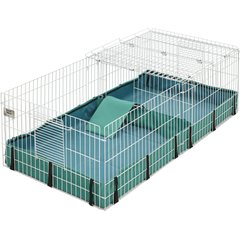
Recommended Products

Reptiles
Certain reptiles, such as leopard geckos or bearded dragons, may need less daily interaction than mammals.
However, they need proper lighting and heating, carefully set up habitats, and specific diets. Initial setup can be more complex than people expect.
“Low maintenance” does not mean “no maintenance.” Every pet deserves consistent and attentive care and love.
Dogs and Cats: Are They Good Pets for Kids?
Dogs and cats can be wonderful family companions, but they need significant time, training, and financial commitment.
Benefits of Dogs for Kids
Dogs can encourage physical activity, teach responsibility, provide loyal companionship, and support emotional development. A well-matched, well-trained dog can become a true family member.
Considerations Before Getting a Dog
Before bringing home a dog, consider:
- Daily exercise needs
- Ongoing training
- Grooming requirements
- Veterinary costs
- Time commitment for 10 to 15 (or more) years
Are Cats Easier Than Dogs?
Cats are often thought of as easier than dogs because they are more independent. However, they still need:
- Daily feeding
- Daily litter box cleaning
- Daily play and enrichment
- Veterinary care
- Time commitment for 15 to 20 years
Cats can be a great fit for families seeking companionship without daily walks.
How To Choose the Right Pet for Your Child
Choosing the right pet means considering your child’s age and personality and your family’s lifestyle.
Some questions to consider:
- Who will handle daily care?
- How much space do you have?
- What is your budget for food and veterinary care?
- Does anyone in the home have allergies?
- How long does this pet typically live? (Some pets, like certain birds or reptiles, can live decades.)
Matching Pet Personality to Child Personality
It’s also important to consider the temperaments of your child and the pet.
- A calm child may thrive with a gentle, predictable pet.
- A high-energy child may enjoy an active dog.
- A shy child may do well with a quiet, consistent companion.
What Responsibilities Can Kids Handle?
Children can absolutely help with pet care—but adults must remain ultimately responsible.
Age-Appropriate Responsibilities
- Preschoolers: Supervised feeding and helping refill water
- Elementary-age kids: Assisting with habitat cleaning and daily routines
- Teens: Larger share of feeding, exercise, and basic care
Setting Realistic Expectations
Pets are living beings, not toys. Your child’s interest may fade after the novelty wears off. Adults must be prepared to step in and ensure the pet’s needs are always met.
When a Pet Might Not Be the Right Choice
Sometimes, waiting is the best decision. You may want to reconsider getting a pet if your family has:
- Frequent travel
- Financial strain
- Rental or housing restrictions
- A very young child with unrealistic expectations
- Limited time for daily care
Bringing home a pet should be a thoughtful, long-term commitment.
FAQs About Best Pets for Kids
What is the easiest pet for a child?
Fish and some small mammals are often considered easier, but all pets need regular care and adult supervision.
What is the lowest-maintenance pet?
Fish and certain reptiles typically need less daily interaction, though their habitats require consistent upkeep.
Are dogs good pets for young children?
They can be, but temperament, training, and supervision are essential.
What pet teaches responsibility best?
Dogs, cats, and guinea pigs often provide hands-on daily care opportunities that help children build routines.
Should I get a pet to teach my child responsibility?
A pet can support responsibility lessons, but adults must always be prepared to take full ownership of care.
Choosing the best pets for kids is less about finding the perfect animal and more about creating the right match. When expectations are realistic and care is consistent, pets can become some of childhood’s most meaningful companions.
Attributions
This article was created with assistance from AI tools. The content has been reviewed for accuracy and edited by a human.