Can Horses Eat Celery?


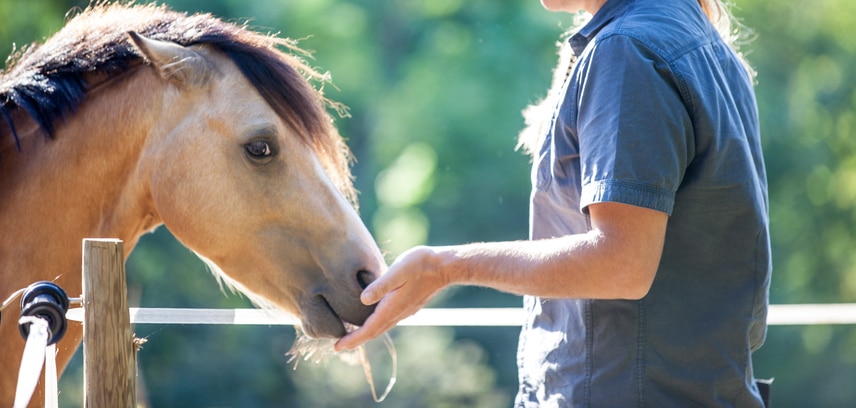
Photo by CasarsaGuru/E+
If your horse reaches for a celery stick from your lunch box, you might wonder if it’s OK for them to take a nibble. So, can horses eat celery?
Yes, celery is OK for horses in moderation as a treat. But it should not make up a significant part of a horse’s diet.
Always consult your equine veterinarian before adding any new food to your horse’s diet.
Key Takeaways
- Celery is safe for horses to eat as an occasional treat cut into small pieces.
- It provides small amounts of nutrients like vitamin A, potassium, and vitamin K, but it’s not a major source of nutrition.
- Too much celery can increase the risk of colic, which is a veterinary emergency.
- Treats like celery should make up less than 1% of a horse’s diet as part of a balanced diet.
Can Horses Eat Celery?
Yes, it’s safe for horses to eat celery, says Masa Williams, PhD, a nutritionist at Equine Technical Solutions for Purina Land O’ Lakes.
Since celery is mostly composed of water and fiber, it’s unlikely to pose a health risk, adds Kelly Vineyard, PhD, an independent equine nutrition consultant.
Is Celery Good for Horses?
Some benefits of celery, including helpful nutrients, are:
- A small hydration boost, since it’s 95% water
- Fiber, which supports healthy digestion
- Vitamin A, which promotes healthy eyes, skin, coat, hooves, bones, and connective tissue
- Potassium, an electrolyte that helps to regulate nerve, cell, and muscle activity
- Vitamin K, which supports blood clotting and bone healing
However, the amount of vitamins that a horse may get by eating celery is not enough to serve as primary nutrients.
What’s more, a veggie like a carrot has a lot more vitamin A, says Dr. Vineyard. “So if I had to choose, I’d rather feed carrots,” she says. “Carrots have the same crunch and a similar consistency, and are also very high in water.”
Celery’s fiber content also isn’t significant enough to give their body a boost, and forage, the main building block of a healthy equine diet, provides all the fiber they need.
However, celery seeds are a different story. One study noted that Indian celery seed extract powder may help alleviate symptoms of arthritis in horses, though more research is needed.
Is Celery Bad for Horses?
No, celery isn’t bad for horses when it’s given as an occasional treat.
However, there are potential risks if horses eat too much celery:
- Excessive consumption of any treat, including celery, may increase the risk of colic in horses. Celery is high in fiber, so it could potentially cause an impaction or loose manure if a horse is not used to ingesting it.
- Feeding whole celery stalks could increase the risk of choke, especially in senior horses or those with medical conditions that affect their ability to chew and swallow.
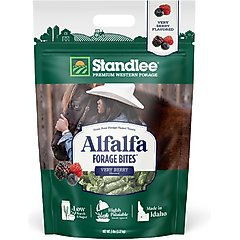
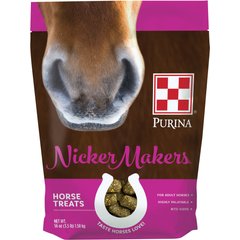
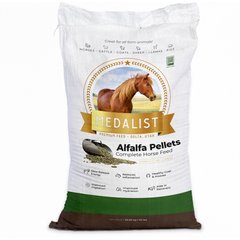
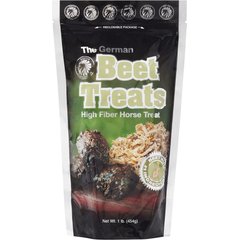
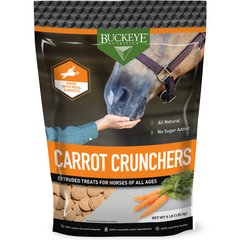
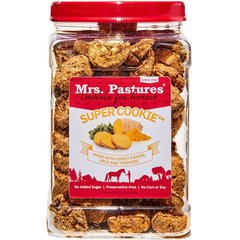
If you’re looking for a novel and safe treat for your horse, try a store-bought, vet-approved option.
Recommended Products
How Much Celery Can I Give My Horse?
For most horses, treats, including celery, should make up less than 1% of their diet.
If your horse loves celery, it’s OK to offer them an occasional stalk, but consider rotating in a more nutritious treat, like chopped carrots or antioxidant-rich whole berries, between celery days.
Most horses can have one to two stalks of celery up to every other day.
How To Safely Feed Celery to Horses
For most horses, treats like celery are safe when fed in moderation. Here’s the safest way to feed celery to horses:
- Always introduce new foods gradually, starting with just a couple of bites.
- Choose healthy, fresh celery—never feed mushy, rotten, or smelly produce to horses.
- Rinse a stalk of celery thoroughly to remove any pesticides.
- Cut the celery stalk into small pieces to reduce choke risk.
- Serve in a feed pan as a top dressing for feed or medicine, or in a foraging toy as a source of enrichment.
Recommended Products


My Horse Ate Too Much Celery—What Do I Do?
Eating too much celery can create a risk of colic in horses. If your horse eats too much celery, watch for these symptoms:
- Biting or kicking at the flanks (other than to shoo flies away)
- Staring at their sides or belly
- Lack of appetite
- Restlessness
- Sweating without heat or exercise
- Repeatedly lying down and getting up
- Inability to pass manure
- Stretching as if to urinate, without urination
- Elevated heart rate
- Rapid, shallow breathing
If you notice any sign of colic, contact your veterinarian immediately. Colic is always a veterinary emergency.
What Other Veggies Can Horses Eat?
Horses can enjoy a wide variety of tasty veggie treats, including:
- Snow peas
- Carrots
- Lettuce
- Spinach
- Sweet potatoes
- Radishes
- Green beans
- Corn kernels (removed from the cob)
- Cucumber
- Turnips
- Beets
You can also find a lot of these veggies in store-bought horse treats—an even easier way to give your horse a delicious treat.
Recommended Products
FAQs About Celery for Horses
Can horses eat raw celery?
Yes, horses can eat fresh, raw celery, but only in small amounts and as an occasional treat. Remember to thoroughly wash celery before feeding to your horse.
How does celery affect a horse’s digestion?
Celery fed in moderation is unlikely to have a noticeable effect on a horse’s digestion. A balanced, forage-first diet is the best way to promote healthy digestion in horses.
Attributions