Do Horses Eat Meat?


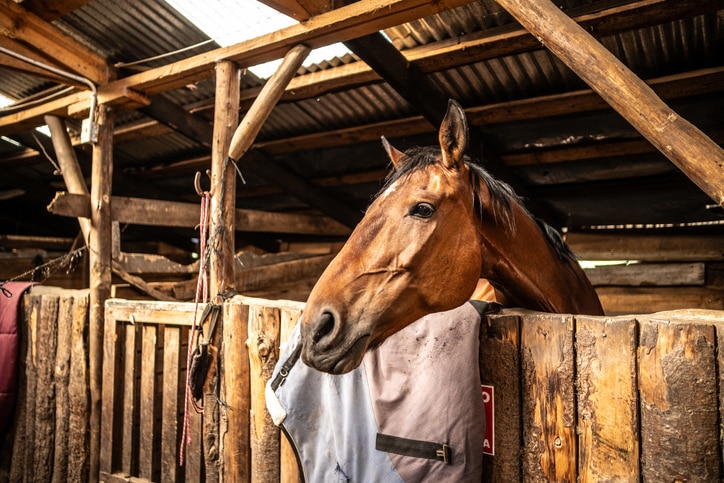
Photo by Frazao Studio Latino/E+
When you picture a horse enjoying a meal, you probably imagine them grazing peacefully in a green pasture or munching on a pile of fresh hay. Horses are known herbivores—but every so often, curious horse owners ask an unexpected question: Do horses eat meat?
No, horses shouldn’t eat meat. Their digestive tracts are actually optimized to eat forage. Here’s why meat is not a healthy choice.
Always speak with your veterinarian before adding new foods to your horse’s diet.
Key Takeaways
- Horses are herbivores and should not eat meat, as their digestive systems are designed to process fiber from plants, not animal protein.
- Meat lacks fiber, which is essential for maintaining healthy gut microorganisms and preventing serious digestive problems like colic and ulcers in horses.
- Accidentally eating small amounts of meat is usually not an emergency in horses, but large amounts require immediate veterinary attention.
- Horses seeking meat may be craving salt or variety, so offer safe alternatives like salt blocks, horse treats, or horse-safe fruits and vegetables instead.
Do Horses Eat Meat?
No, horses should not eat meat.
Wild horses get all their macronutrients, including protein and fat, from grass and other plant matter. A domestic horse’s diet should look similar; start with plenty of forage in the form of hay, pasture, pellets, or cubes.
Recommended Products
Since horses are herbivores, it may come as a surprise that it’s possible for them to consume and digest meat. In fact, many herbivorous animals, including deer and squirrels, are known to occasionally consume meat.
However, while horses can digest meat in very small amounts, it doesn’t mean that it’s good for them.
“Can horses eat meat? Yes. Should horses eat meat? No,” says Masa Williams, PhD, a nutritionist at Equine Technical Solutions for Purina Land O’ Lakes.
Meat provides no fiber, and fiber is very important in a horse’s diet, says Kelly Vineyard, PhD, an independent equine nutrition consultant.
Horses’ hindguts (the cecum and large colon) contain lots of microorganisms that specialize in getting energy from plant fibers. Horses are also capable of breaking down cellulose, a form of fiber that even human guts can’t fully digest.
If those crucial microorganisms are starved of fiber, they’ll die off, setting your horse up for colic and other digestive issues.
Is Meat Bad for Horses?
Yes, meat can be bad for horses.
Since meat isn’t part of a domestic horse’s diet, there’s no research on health risks.
However, a horse fed large amounts of meat either in one sitting or over time could develop:
- Colic, which may include symptoms like pawing, sweating, lying down repeatedly, lack of manure production, decreased appetite, and other signs
- Equine gastric ulcer syndrome (EGUS) and equine squamous gastric disease (ESGD), which can occur when a lack of dietary fiber leads digestive acids to damage the gastrointestinal tract
- Laminitis, a painful and sometimes fatal inflammation of hoof tissue
My Horse Accidentally Ate Meat—What Do I Do?
Meat-eating on its own is not a veterinary emergency, but excessive consumption of any unfamiliar food can be dangerous in horses.
“One bite’s not going to do anything, but if you feed them two buns and two hamburger patties, that won’t get fully digested,” Vineyard says.
If your horse accidentally eats a small amount of meat, watch for colic symptoms and call your vet if they develop.
If they accidentally eat a large amount, call your vet immediately.
If your horse somehow ate part of an animal carcass—this might be a wild animal they found outdoors—it’s an emergency and you should call your veterinarian immediately. Your horse could be at risk of botulism and other infections.
What Can My Horse Eat Instead of Meat?
Experts say that a horse who seeks out meat could be craving sodium or variety. So, if your hooved companion shows an interest in meat, try getting them a new salt block.
Recommended Products
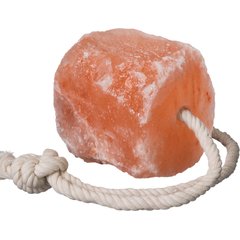
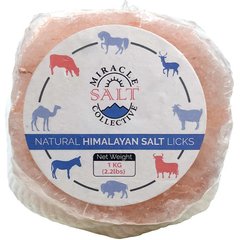
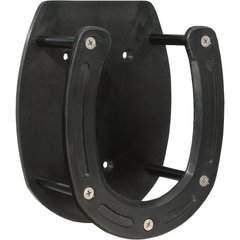
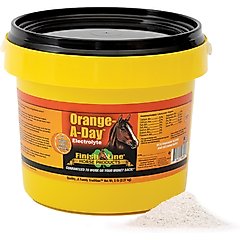
Many horses would rather avoid their salt blocks than lick through a layer of mud if it gets dirty. A salt block holder can keep your horse’s salt off the ground, and a daily electrolyte supplement can ensure they get enough sodium.
Recommended Products
It’s also possible your horse is just looking for a tasty treat. Packaged treats are an easy option to give your horse a novel food in moderation.
Recommended Products
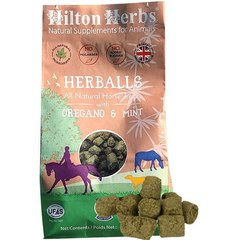
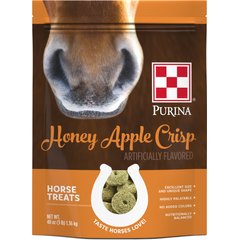
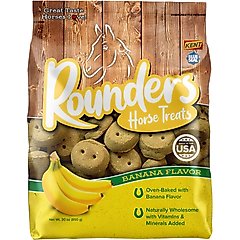
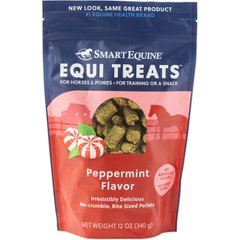
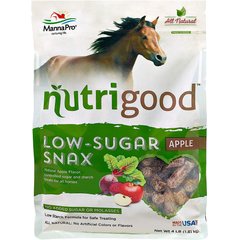
You can also seek out low-sugar treats if your veterinarian recommends them.
Recommended Products

You can also offer horse-safe fruits and veggies in small amounts, such as:
- Watermelon
- Apples
- Celery
- Cucumber
- Lettuce
- Berries
- Peaches, plums, and apricots (with the pits removed)
FAQs About Can Horses Eat Meat
What happens if a horse eats meat?
Horses shouldn’t eat meat. An excess of meat can cause colic or other serious conditions.
Was there ever a carnivorous horse?
No. All horses are herbivores, but all herbivores can digest small amounts of meat. There are some historical examples of horses eating fish when forage was not available, but this has not been seen in modern horses.
Attributions