How Cold Is Too Cold to Ride Your Horse?


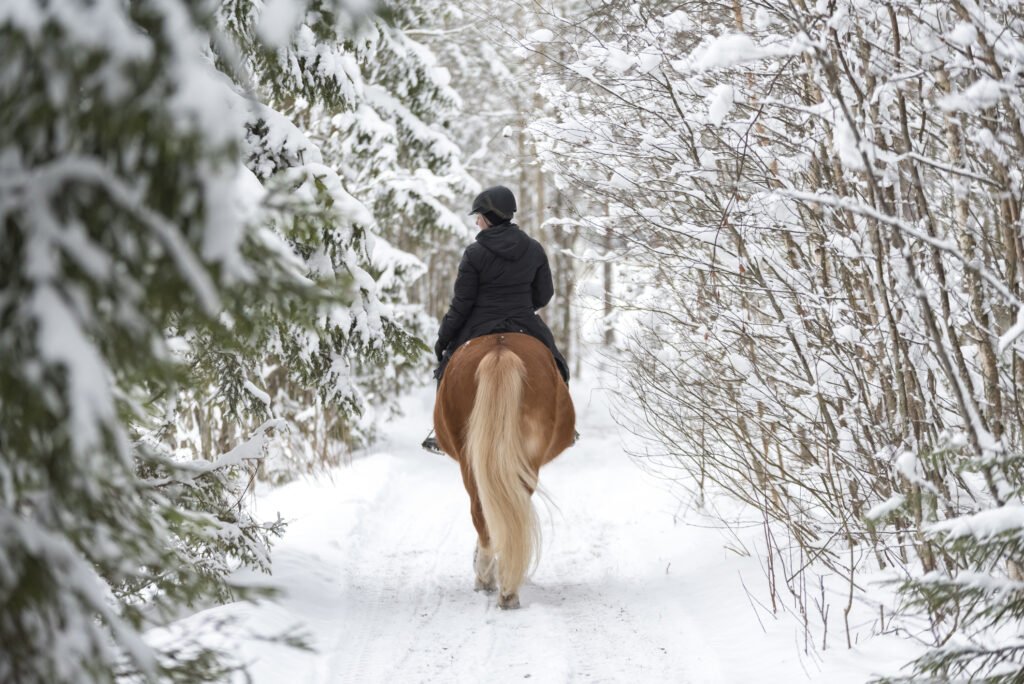
Photo by Sitikka/iStock/Getty Images Plus
Winter riding can be fun and safe, but only if you and your horse are properly prepared for the cold. As horse riders and owners, it’s important to understand how cold weather affects our horses and which temperatures mean it’s just too cold to ride.
Key Takeaways
- Healthy horses can tolerate cold weather, but extremely low temperatures and wind chill can increase risk during riding.
- The general recommendation is to avoid riding when temperatures fall below 20 F, or 32 F for horses with health issues or thin coats.
- Cold, dry air can irritate your horse’s airways, and muscles may stiffen in frigid temperatures.
- Indoor arenas, proper gear, and mindful warm-up/cooldown routines can help keep horses comfortable during winter rides.
Is It Ever Too Cold to Ride a Horse?
Most healthy horses can handle the cold better than people can. Their thick winter coats act as natural insulation, and those living in colder climates usually acclimate well to seasonal shifts. But there is a limit.
“Generally, I advise horse owners not to ride when the temperature drops below 20 F,” says Michelle Singer, VMD, a staff veterinarian at Mid-Hudson Veterinary Practice in Carmel, New York. “In warmer areas, that cutoff may be closer to 32 F, especially if your horse has a shorter coat or a respiratory condition.”
Cold, dry air can make it harder for your horse to breathe during exercise. Prolonged or intense activity in freezing temperatures may lead to airway inflammation, especially in horses with asthma or heaves. As Dr. Singer explains, “Riding in the cold makes it harder for the horse to warm air in their lungs.”
Muscle stiffness and limited energy can also affect a horse’s ability to exercise safely and comfortably.
Understanding How Horses Stay Warm
Horses have their own built-in insulation system: their winter coat. When the temperature drops, muscles at the base of each hair follicle contract, fluffing up the coat and trapping warm air close to the skin.
However, not every horse grows a thick coat. Older horses, horses with metabolic or skin conditions, and those who are clipped or have naturally short hair may need extra help staying warm. Properly fitted horse blankets can provide the warmth they need, especially when they’re outside or being ridden in cold weather.
Recommended Products
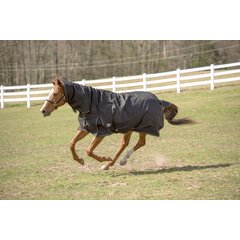
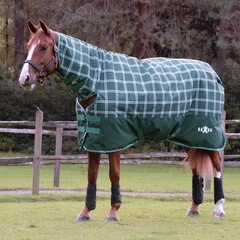
Some horses, particularly those new to colder climates, may need to be stabled more frequently. “Horses who come from the South and have little to no hair may need to live inside the barn at night and wear blankets when turned out,” says Trevor DeRudder, a colt starter in Parkland County, Alberta.
How Cold Is Too Cold for Winter Riding?
There isn’t one set temperature that applies to every horse in every situation, but here’s a general guide:
| Temperature (F) | Recommended Activity Level |
|---|---|
| Above 32 F | Normal riding intensity with standard warm-up and cooldown |
| 20–32 F | Light to moderate exercise with extended warm-up and cooldown |
| 0–20 F | Limit riding to walking and trotting; only ride if your horse is acclimated and in good shape |
| Below 0 F | Avoid riding; too risky for both horse and rider |
Keep in mind that wind chill can make it feel much colder. “Sometimes, it’s only 5 F, but with wind chill it feels like -13 F—that’s much worse,” says DeRudder. He recommends salting arenas to reduce freezing, and riding indoors when possible to minimize exposure.
Tips for Winter Riding
If you’re heading out for a ride on a chilly day, these tips can help keep your horse comfortable:
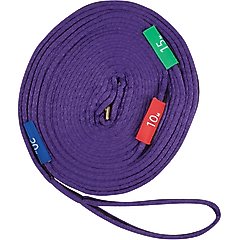
- Lunge before riding: This helps your horse burn off excess energy and warm up their muscles.
Recommended Product
- Warm up the bit: Use your hands or a bit warmer to avoid shocking your horse’s mouth with a freezing bit. You can also run the bit under warm water if available.
- Start slow: Spend 10–20 minutes walking and trotting to allow for gradual muscle and joint warm-up.
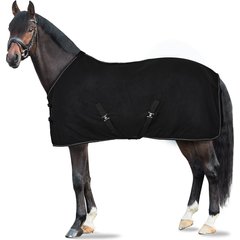
- Use a cooler: Especially helpful for clipped horses, a horse cooler keeps body warmth in while warming up at the walk.
Recommended Product
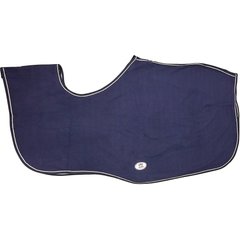
- Ride with a quarter sheet: Horses with short coats or those working on trails may benefit from a quarter sheet that covers their back and your legs.
Recommended Product
Post-Ride Cooldown
A thorough cooldown is important in winter as well as summer. If your horse worked up a sweat, hand-towel their coat and use a cooler to wick away moisture. Never blanket a horse who’s still damp—doing so can trap moisture and cause chills or skin infections.
If the ride was light, your horse can resume their regular post-ride routine. For more intense workouts, walk them for 10–15 minutes before dismounting.
Winter riding can help maintain your horse’s fitness and provide enriching experiences—but only when done safely. Always consider your horse’s health, acclimation level, and the real-feel temperature before saddling up. If in doubt, err on the side of caution and keep rides short, light, or indoors.
Attributions
This article was created with assistance from AI tools. The content has been reviewed for accuracy and edited by a human.