Fly Sheets vs Fly Spray: Which One is Better?



Photo by Chewy
Spring and summer bring the promise of longer days and nicer weather to enjoy your horse. . . until the bugs show up. Insects are more than a nuisance; they can leave painful or itchy welts and may carry disease.
Fly sheets and fly sprays both offer protection against bugs, but which option is better for protecting your horse?
The best fly control for horses depends on the horse’s needs, environment, and management style. Most often, it’s a combination of fly sheets, fly sprays, and other fly protection gear.
Key Takeaways
- Both fly sheets and fly sprays are effective at protecting horses from insects.
- Fly sheets provide continuous, long-lasting protection.
- Fly sprays offer quick, targeted, and flexible coverage.
- Many horse owners use both products together for the best results.
- The right choice depends on factors like climate, turnout time, and horse sensitivity.
Why Fly Protection Matters for Horses
Think back to the last time you tried to enjoy the outdoors but couldn’t relax because mosquitoes, gnats, and other bugs were buzzing around your head. Chances are you swatted at them and got itchy bites.
Now imagine not being able to escape them. That’s what your horse is dealing with. And for horses, bugs are more than a nuisance.
Common Problems Caused by Flies
Flies and biting bugs can lead to:
- Skin irritation and itching
- Bleeding and blood loss from certain biting insects
- Stress and behavioral issues like tail swishing, head tossing, or pacing
- A higher risk of infection or disease transmission
- Poor hoof health
- “Sweet itch,” an allergic reaction to midge bites
- Hair loss from rubbing the mane, tail, or belly
- A higher risk of secondary infections in broken skin
What Are Fly Sheets?
Fly sheets are lightweight mesh blankets designed to keep bugs off your horse. They come with or without a hood, and you can pair them with a fly mask and/or fly boots for nose-to-tail coverage.
How Fly Sheets Work
Fly sheets create a physical barrier between insects and your horse’s skin.
Recommended Products
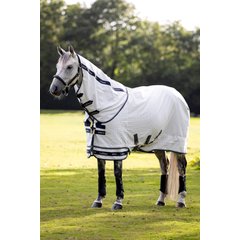
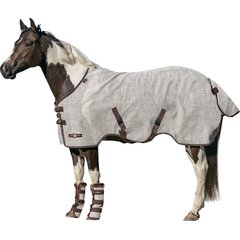
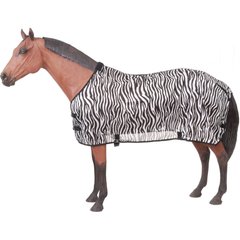
Sheets with zebra stripes or camouflage prints can add extra protection by confusing insects and making it harder for them to land.
Recommended Product
Benefits of Fly Sheets
Managing flies can feel like a full-time job. Fly sheets can reduce the hassle by offering continuous coverage during turnout, which:
- Saves time with less frequent reapplication
- Reduces exposure to repellents
- Keeps horses with sensitive skin more comfortable
- Some even offer UV protection
Potential Drawbacks
Fly sheets work well but can have drawbacks. The downsides are often related to poor fit or improper use. In these cases, they can:
- Trap heat in hot climates if the sheet is not breathable
- Cause rubs or bald spots when poorly fitted
- Come with safety risks when improperly fitted (i.e. getting tangled)
- Build up static, especially in dry conditions
- Need frequent replacement for growing horses or those tough on gear
- Can’t be worn when the horse is being ridden
Fly sheets also require regular cleaning and maintenance. But if you’re attentive and match the sheet to the horse and environment, most of these downsides are manageable.
What Is Fly Spray?
Fly spray is a liquid insect repellent applied directly to your horse’s coat. You can spray it on, rub it on with a cloth, or apply it as a lotion.
How Fly Spray Works
Fly sprays use ingredients that repel or kill insects. Chemical fly sprays are usually made with pyrethrins or pyrethroids, while natural fly sprays use essential oils that repel insects.
Recommended Products
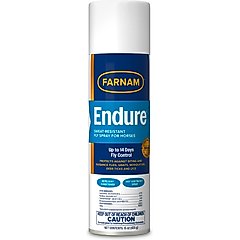
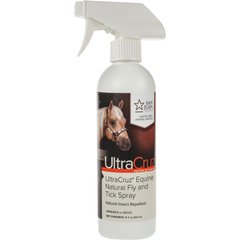
You can apply both chemical and natural repellents by spraying or wiping on.
Benefits of Fly Spray
Fly sprays are a popular choice because they are easy to use and they:
- Allow for targeted use on specific areas
- Are budget-friendly
- Work well for short-term protection during rides and turnout
- Reduce the risk of overheating
- Avoid the rubbing and hair loss issues that sheets can cause
Potential Drawbacks
Fly sprays are most effective when applied according to the label. Inconsistent application can reduce their effectiveness. Other drawbacks include:
- Frequent reapplication
- Time-intensive to apply in large herds
- May wear off with sweat or rain
- Skin sensitivities in some horses
- Chemical exposure when using non-natural formulations
Fly Sheets vs Fly Spray: Key Differences
When you’re deciding between fly sheets and fly sprays, it’s less about which is “better” and more about how you manage your horse. Each option solves a different problem.
Duration of Protection
A fly sheet provides coverage that lasts as long as it is on your horse, whereas fly spray only offers coverage until it wears off. Sweat, sun, and even a roll in the dirt can reduce a fly spray’s effectiveness.
If you’re looking for all-day (or night) coverage, fly sheets have an advantage. However, even though fly sprays require reapplication, they do offer flexibility and can cover any gaps left by fly sheets.
Coverage
Fly sheets create a physical barrier over most of your horse’s body, especially if you’re using one with a neck cover and belly band, but they don’t cover everything. In general, they provide broad, reliable coverage.
Fly spray protects targeted areas that are easy to miss or hard to cover: the legs, under the belly, around the face, and the ears. But effectiveness depends on how well and how frequently you apply it.
Convenience
The best fly prevention methods are those that fit into your daily routine, increasing the likelihood of using them correctly. Fly sheets and sprays are convenient to use, but for different reasons.
- Fly sheets: Once they are properly fitted, they require minimal daily effort.
- Fly spray: Application is quick and easy, but must be applied regularly.
Cost Considerations
Fly sheets are an investment, especially if you’re buying a high-quality one. But they can last a full season or longer with regular maintenance and cleaning.
Fly spray is cheaper to purchase per unit, but it’s an ongoing expense. Chances are you’ll need several bottles per season, especially with multiple horses.
Using Fly Sheets and Fly Spray Together
Many horse owners end up using both fly sheets and sprays as part of their horse summer care plan. Used together, they can provide maximum protection.
Fly sheets offer a physical barrier that deters insects, while fly sprays and wipes can protect horses from flies in areas that sheets leave exposed. Having both in your bug-battling arsenal provides flexibility based on changing environmental conditions or the horse’s needs.
There is no single right choice when it comes to fly control. Both fly sheets and fly sprays are effective tools, and the best option depends on the individual horse’s needs and the environment. In most cases, a combination of both works best for keeping horses comfortable and healthy during fly season.
Attributions