What’s New in Fly Control for Horses 2026: Latest Innovations and Best Solutions


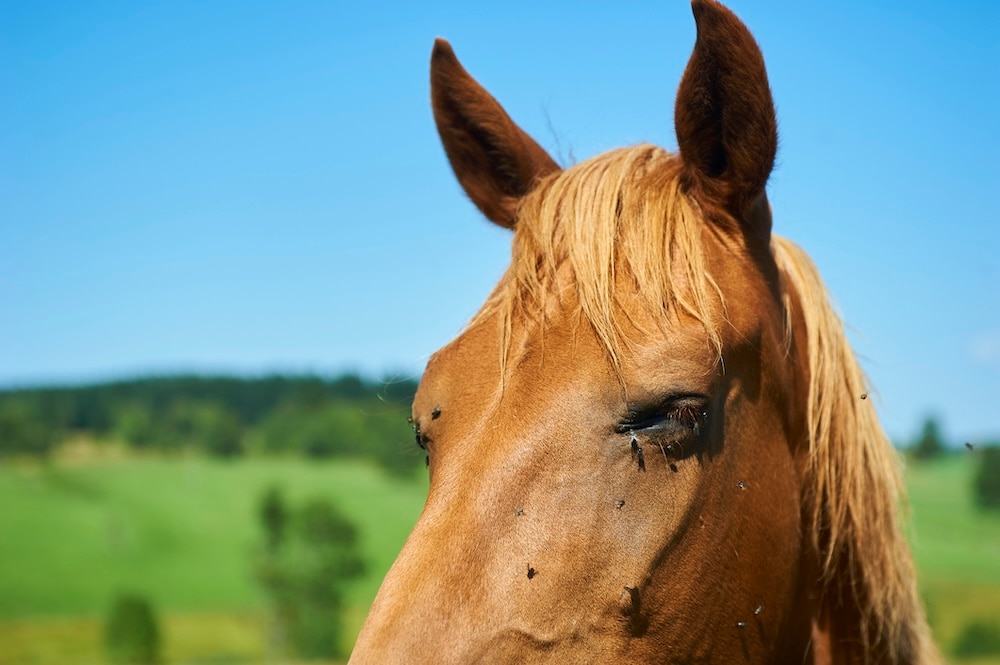
Photo by PetrBonek/iStock/Getty Images Plus
As fly season gets longer and tougher each year, with climate shifts increasing fly populations, horse owners need new strategies for fly control. We’ve rounded up the best innovations in fly control in 2026 that you can try today.
Key Takeaways
- 2026 fly control focuses on longer-lasting protection.
- More eco-friendly and chemical-free options are available.
- Automated barn systems are gaining popularity.
- Combination approaches (spray + feed-through + physical barriers) are most effective.
- Prevention is shifting toward integrated fly management systems.

Why Fly Control Matters More in 2026
Climate warming is making for longer fly seasons. And scientists predict temperatures will continue to rise over the next few decades, possibly tripling the fly population compared to current levels, particularly in the summer months.
Flies are also developing resistance to traditional insecticides used in many fly sprays.
Biting insects like mosquitos, biting midges, stable flies, and horseflies are a nuisance and a health risk to horses. Fly bites can irritate skin, leading to insect bite hypersensitivity (IBH), sweet itch, and summer sores.
Flies can also increase a horse’s stress and transmit diseases such as Western and Eastern equine encephalomyelitis (WEE/EEE) and West Nile virus (WNV). Non-biting flies feed on bodily secretions and can transmit diseases as well.
With horse fly control more important than ever, there’s a growing demand for safer and more sustainable solutions.
New Fly Sprays and Topicals for 2026
Longer-Lasting Formulas
Horse owners know the struggle—applying fly spray to your horse before morning turnout and having it last only a few hours before your horse begs to come inside due to too many pestering flies.
Luckily, a few products have changed the game and now protect horses for many more hours, even days.
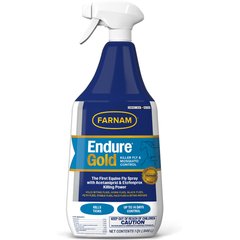
Extended-release insecticides like Farnam Endure Gold Killer Horse Fly Spray kill and repel a variety of fly species for up to 12 hours with residual protection for up to 14 days, reducing the need for frequent reapplication.
Recommended Product
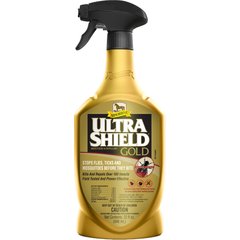
The long-lasting fly, tick, and mosquito repellency of Absorbine UltraShield Gold Horse Fly Spray lasts for up to 17 days, preventing pests from biting in the first place. This fly spray kills and repels over 100 different insect species.
Recommended Product
Farnam Endure Sweat-Resistant Horse Fly Spray for horses powers through sweat and water thanks to RepeLock technology that binds to the hair shaft, preventing exposure to flies, gnats, and ticks for up to 14 days.
Recommended Product
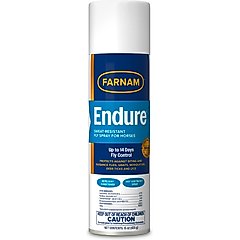
When fly spray protects for a longer duration, reapplication frequency is reduced. This saves you time and money, while keeping your horse comfortable.
Botanical and Natural-Based Sprays
If chemical fly sprays aren’t your preference, more fly spray manufacturers are incorporating botanical and non-synthetic ingredients than ever before, offering safe and effective alternatives to traditional fly sprays with chemical ingredients.
UltraCruz Natural Horse Fly & Tick Spray uses essential oils, such as geraniol, clove extract, peppermint oil, citronella oil, cedarwood oil, lemongrass essential oil, oil of rosemary, and thyme oil, which act as natural repellents.
Recommended Product
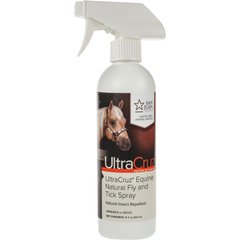
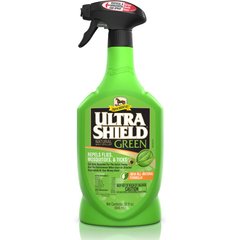
If you’re looking for an alternative to pyrethrin, Absorbine UltraShield Green All-Natural Fly & Insect Repellent uses a potent blend of essential oils in a water-based formula with no chemicals to protect your horse from flies, fleas, ticks, mosquitos, and lice.
Recommended Product
Skin-Sensitive and Sweet Itch Solutions
If your horse has a skin reaction to biting insects, there are products designed to help soothe and treat the issue.
EQyss Grooming Products Micro-Tek Soothing Horse Shampoo offers soothing relief to irritated skin using aloe vera, allantoin, and essential oils.
Recommended Product

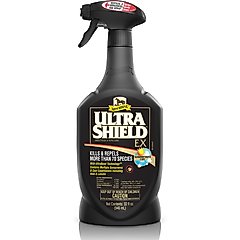
Absorbine UltraShield EX Insecticide is not only weatherproof with long-lasting protection against more than 70 species of insects, but it also contains multiple sunscreens and coat conditioners like aloe and lanolin.
Recommended Product
Innovations in Fly Masks and Wearables (2026 Models)
A multifaceted approach to fly control is best, so incorporating fly masks, sheets, and leg coverings is a great way to protect your horse.
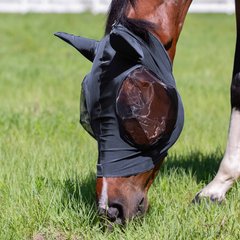
The Equinavia Bug Out Horse Fly Mask has an innovative design. This pull-on, stretchy nylon mask has a raised see-through mesh screen over each eye, ear coverage, and UPF 45 sun protection.
Recommended Product
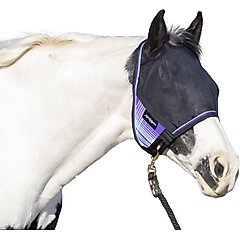
Offering 90% UV protection for horses, the Kensington Protective Products UViator CatchMask Horse Fly Mask provides air permeability and visibility, as well as fly and sun protection.
Recommended Product
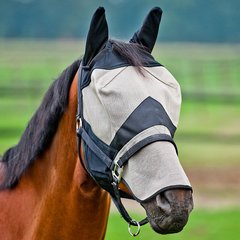
Cover your horse’s ears and face down to their nose with the Horze Long Nose Horse Fly Mask, which includes coated nylon micro mesh that blocks 70% of the sun’s rays.
Recommended Product
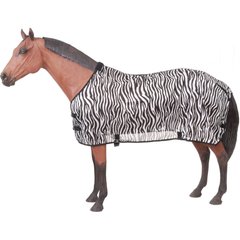
Studies have shown that the contrasting stripes of a zebra print can confuse pests. The Tough1 Zebra Mesh Horse Fly Sheet is made of lightweight polyester and nylon mesh, offering air circulation and fly protection.
Recommended Product
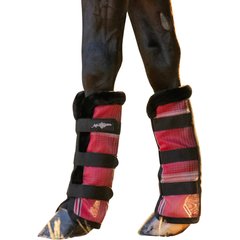
Shield your horse’s legs from annoying flies with wraps like Kensington Protective Products Protective Horse Fly Boots. They’re made of durable high-denier Textilene material and have a 73% UV rating, yet are breathable for comfort.
Recommended Product
Feed-Through Fly Control: What’s New?
Updated IGR (Insect Growth Regulator) Formulas
Equine feed-through fly control methods utilize insect growth regulators (IGR), which are insecticides that mimic hormones in young insects to disrupt their growth and reproductive cycles.
When a horse is fed a supplement designed to control flies, like Farnam SimpliFly Feed-Thru Fly Control Pellets Horse Supplement, ingredients such as LarvaStop and diflubenzuron prevent the formation of flies.
Recommended Product
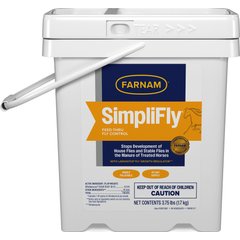
These supplements pass through your horse’s digestive system into their manure without being absorbed, and when flies come in contact with a treated horse’s manure, they are impacted by the active ingredients. This formulation incorporates alfalfa pellets for easy feeding and enhanced palatability.
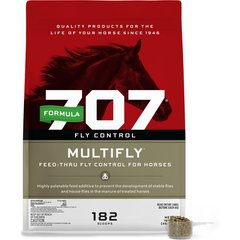
Formula 707 MultiFly Feed-Thru Horse Fly Control uses Novaluron, another insect growth regulator, packaged in an alfalfa and wheat pellet for ease and taste.
Recommended Product
Keep in mind that feed-through fly supplements only work if the majority of the horses in the barn are using them.
Smart Barn Fly Control Systems
Automated insect control systems are an easy way to control flies throughout the year by using a misting system installed in your barn. You can use a mechanical or digital timer to customize when and how often misters distribute insecticide to kill flies and mosquitoes.
Some programs can be operated from an app on your smartphone, or run off of a solar panel without the need for electricity.
Eco-Friendly and Chemical-Free Trends
Some horse owners are looking for more non-toxic methods of fly control—and there are options!
Fly predators are beneficial insects that, when sprinkled around a manure area during warm weather, will kill flies before they hatch. They disrupt the growth cycle of flies without pesticides, larvicides, or other chemicals that could harm the environment.
Maintaining your barn’s manure is a constant task, but one that makes a big difference on the fly population. Composting has been a vital part of manure management for generations, but today’s technology allows for more effective systems that take the guesswork out of the process.
Reducing the use of chemicals on your horses and property with the help of fly sheets and masks, for example, will also support the environment and make your barn more sustainable.
Integrated Fly Management: The 2026 Standard
The most effective fly control method in barns these days involves a multipronged approach. This allows you to address the pests at different life stages, with less product needed overall.
- Fly predators and feed-through fly control target eggs in manure.
- Fly sprays kill and repel insects on your horse’s body.
- Fly sheets, fly masks, and leg wraps are physical barriers that prevent flies from bothering your horse.
- Automatic spray systems and fly traps reduce the population of flies in and around the barn. And manure management reduces the attraction of flies to your facility.
This layered approach will reduce your fly population, and keep them from bothering your horse around the barn and out on pastures.
How to Choose the Best Fly Control for Your Horse in 2026
Consider the following when selecting fly control for your horse:
- Climate: Warmer climates have heavier fly populations for longer seasons.
- Boarding vs. private barn: If you are boarding, you’re limited on barn management options and will need to focus on individual solutions like fly sprays and masks.
- Skin sensitivity: If your horse has sensitive skin, consider essential oil-based fly sprays and physical barriers like fly sheets.
- Competition regulations: Check the ingredient list on your fly spray against your association rules to make sure you stay in regulation.
- Budget: Concentrated fly sprays and those that last longer in between applications can give you more bang for your buck.
Frequently Asked Questions About Fly Control for Horses
What is the best fly control for horses in 2026?
Combining manure management practices with a long-lasting fly spray, physical barriers like fly masks and sheets, and an automatic fly spray system is an ideal comprehensive plan.
Are natural fly sprays as effective as chemical ones?
They do not last as long before needing to be reapplied but they have their own benefits, especially for a horse with sensitive skin.
Do feed-through fly supplements really work?
Feed-through fly supplements disrupt the life cycle of flies by preventing eggs in manure from hatching, but should be just one piece of an overall fly control strategy.
How can I reduce flies in my horse barn naturally?
You can use fly traps and fly predators to reduce flies naturally. Removing manure promptly from the barn to a location away from the structure is also very important.
Attributions