Guinea Pig Grooming: Everything a Pet Parent Needs To Know


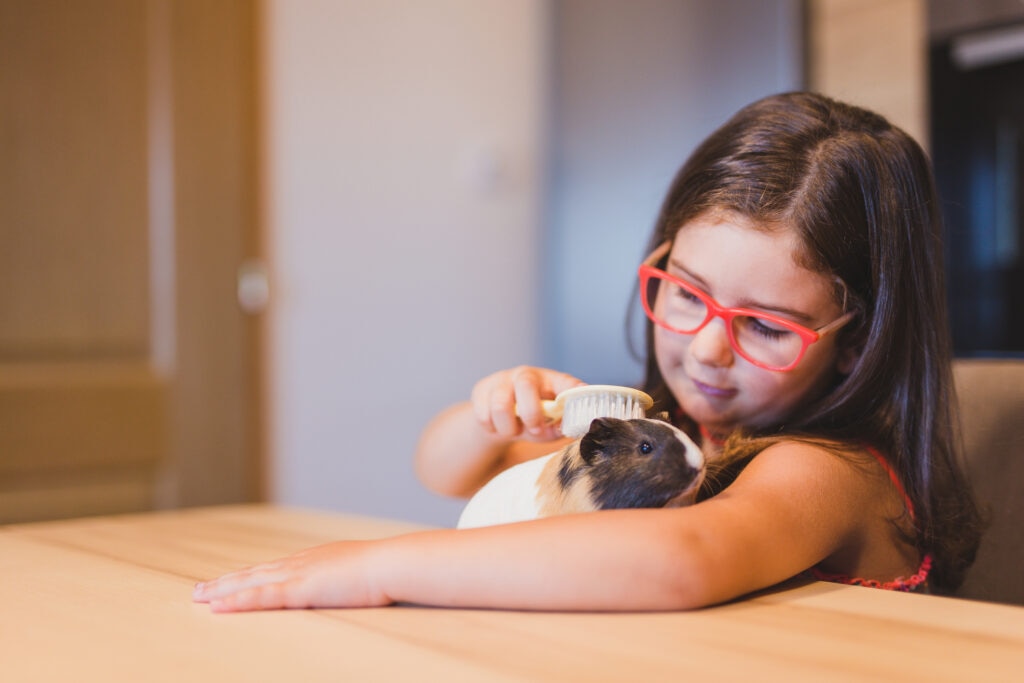
Photo by FluxFactory/iStock/Getty Images Plus
As a loving pet parent, you might wonder: Do guinea pigs need grooming?
Caring for guinea pigs requires routine nail trims, brushing, and the occasional bath. Long-haired breeds need a bit more TLC than short-haired guinea pigs, while hairless piggies have their own skincare needs.
In this article, rescue professionals who have seen and handled every guinea pig grooming situation will help guide you in keeping your furry little friend clean and healthy.
Key Takeaways
- Regular grooming—including nail trims, brushing, and health checks—is essential to your guinea pig’s comfort and overall well-being.
- Grooming needs vary by breed, with long-haired and hairless guinea pigs requiring more frequent care than short-haired breeds.
- Proper grooming helps prevent painful issues like matted fur, overgrown nails, and skin infections, and allows early detection of health problems.
Why Guinea Pig Grooming is Good for Your Pig
Grooming keeps your guinea pig comfortable, healthy, and clean. For many piggie parents, this includes brushing, nail clipping, ear cleaning, skin checks, grease gland care, and the occasional bath or hair trim.
Additional guinea pigs grooming needs will depend on your pig’s breed.
Short-Haired Breeds (American, Abyssinian, Crested, Teddy, Rex)
Short-haired breeds are great for beginner guinea pig parents because they require minimal grooming beyond the basics.
Long-Haired Breeds (Peruvian, Silkie/Sheltie, Texel, Lunkarya, Coronet)
Long-haired piggies need the most upkeep. Grooming long-haired guinea pigs includes weekly brushing to prevent painful mats, and they need occasional haircuts if their coat drags or tangles.
Hairless Breeds (Baldwin, Skinny Pig)
Hairless guinea pigs are minimally allergenic, but a lack of fur doesn’t mean they don’t need care. These pigs have specialized skin care needs, so it’s important to talk to your exotic veterinarian for the best grooming protocol based on your individual pig.
Why You Should Groom Your Guinea Pig
Unkempt hair, overgrown nails, and oily or dirty skin can affect your guinea pig’s comfort, mobility, and overall health. Putting off grooming can lead to painful or serious issues, such as:
- Overgrown nails that curl into the foot pad and increase the risk of injury, arthritis, or bumblefoot.
- Excessive coat length that causes fur to drag on the ground and become soiled or damaged.
- Matted or dirty fur that can cause pain, limit movement, and create environments where fungus and bacteria thrive.
- Poor dental hygiene, causing gum inflammation or potentially painful sores around the mouth (cheilitis).
“Regular grooming of your guinea pig allows you to prevent or address potential problems early,” explained Fenella Speece, president of Wee Companions Small Animal Adoption, Inc.
“If you notice any sores, cuts, lumps or bumps on the skin, ingrown nails, or sore feet, you should schedule a veterinary appointment for your guinea pig,” added Clare Sugarman, the founder of California-based Running Out of Hay.
When and How to Groom Your Guinea Pig
Guinea pigs self-groom, but they still need your help to stay clean. Below, we break down each grooming task so you can build a routine that fits your piggy’s needs. Be sure to gather all supplies before you begin. It can help to assemble a grooming kit for guinea pigs.
Nail Trims
How often: Trim nails every four to eight weeks.
Tools: Cat or small-animal nail trimmers
Recommended Products
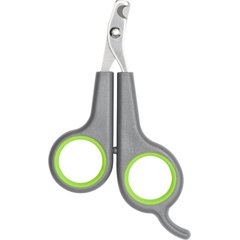
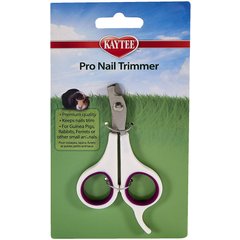
How to trim your guinea pig’s nails:
According to Saskia Chiesa, director of Los Angeles Guinea Pig Rescue:
- Hold your guinea pig securely against your body, tucked into the crook of your arm, so they feel supported and don’t wiggle.
- With your free hand, lift one paw at a time to trim the nails. For the opposite side—where the angle is harder to reach—gently flip the paw backward and trim the nails upside down.
- If you’re struggling, ask a friend to help hold your pig steady while you clip.
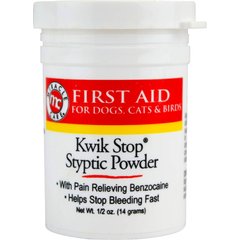
Tip: Don’t trim too close to the quick, which is the pink part of the nail where blood vessels and nerves are located. If you accidentally hit the quick, use cornstarch or styptic powder, like Miracle Care Kwik Stop Styptic Powder, to stop the bleeding.
Recommended Product
Ear Care
Guinea pigs don’t have cerumen (earwax), but they can get a buildup of dead skin cells around the outside of their ears.
How often: This should be done just as needed or at most every four to six weeks, or at the same interval as nail clipping
Tools: A soft cloth and guinea pig-safe ear cleanser such as this or what your veterinarian recommends
Recommended Product
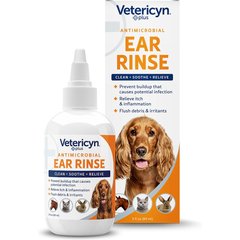
How to clean your guinea pig’s ears:
- Hold your guinea pig securely against your body.
- Moisten a small cloth with the ear cleaner
- Gently wipe the visible part of the ear flap
Tip: If you notice a large amount of debris, odor, or redness, schedule a vet visit to check for an ear infection or mites.
Dental Care
“I examine the incisors for overgrowth or uneven wear, which can signal a problem with the back molars that requires veterinary attention,” said Natalie Riggs, the founder, president, and director of Colorado-based Cavies and Canines Animal Rescue.
How often: Weekly
Tools: Q-tips
How to check your guinea pig’s teeth:
- Hold your guinea pig securely against your body.
- Gently lift their upper lip to view the top front teeth, then do the same with the lower lip.
- If you see hay or food stuck along the gumline, gently remove it using a Q-tip moistened with water.
Tip: Food stuck between the teeth can rot and cause irritation. Gently remove it with a Q-tip but never force anything into the mouth or attempt to examine the molars. If you suspect a problem, schedule a vet visit.
Hair Care
Every pig, especially long-haired guinea pigs, can benefit from brushing with a soft-bristle brush.
Recommended Product
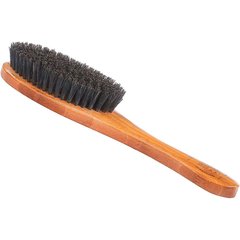
Grooming your guinea pig’s hair may also involve haircuts. “Trims are necessary when the long-trailing hair becomes urine-soaked, stained, or matted,” said Speece.
How often: Brush longhaired pigs weekly and trim their coat every four weeks or as needed.
Tools: Comb, brush, small pet hair clippers.
Recommended Products
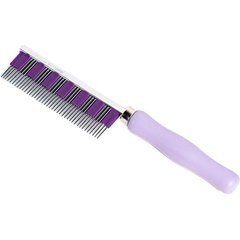
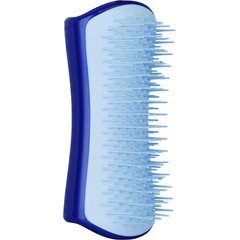
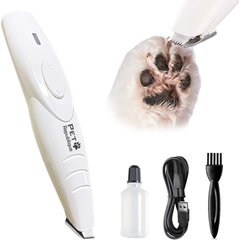
How to trim your guinea pig’s fur:
- Place your guinea pig on a stable, non-slip surface or on your lap with a towel.
- Support your guinea pig with one hand while trimming with the other.
- Comb through long hair to detangle before cutting.
- Using grooming clippers, trim the coat evenly around the body, cutting the fur shorter around the rear end to prevent mats and soiling.
- Use hair clippers to carefully trim around the genital area.
Tip: Avoid using scissors, which could cut your pet. For closer cuts and sanitation trims, use clippers with a guard in place or schedule a veterinary visit for a sanitation clip.
Grease Gland Care
The caudal gland is responsible for scent marking. Excess oil and debris can build up there, especially in males.
How often: As needed when you notice build-up.
Tools: Coconut oil and guinea pig–safe shampoo.
How to care for your guinea pig’s grease glands:
- Apply a small amount of coconut oil to the area and let it sit for 10–15 minutes.
- Gently wash off with a guinea pig–safe shampoo.
Tip: Schedule a vet visit if your guinea pig has excessive residue, an irritated gland, or a mass near the area.
Bathing
“Guinea pigs pee and poop where they sleep and eat. Even though they groom themselves, they can get dirty,” Sugarman explained. They may need a very occasional bath , but too-frequent bathing can be stressful, cause respiratory issues, or strip their natural oils. You can minimize the need for baths by keeping their enclosure clean.
How often: Anywhere from once a year to every few months, depending on your piggy’s health needs, condition, and cleanliness.
Tools: Guinea pig–safe shampoo, towel, blow dryer on the no-heat setting only, shallow bathing container. Comb and brush for longhaired piggies.
Recommended Products
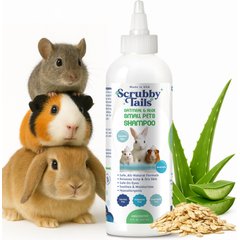
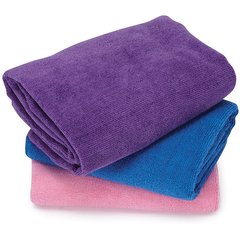
How to bathe your guinea pig:
- Gather supplies so you can work quickly and never leave your pig unattended. Limit baths to a maximum of 10 minutes.
- Fill a small, shallow container with 2–3 inches of lukewarm water. Add a small amount of shampoo directly to the water
- Slide your hand under your pig with your thumb behind their shoulder blades. Hold one paw between two fingers to maintain control and help your piggy feel secure.
- Gently lower your guinea pig into the water, being careful not to submerge their head.
- Lather a small amount of shampoo into the coat, paying attention to the belly and soiled areas.
- Rinse thoroughly with clean, lukewarm water. Tilt their head upward to prevent water from getting into their nose, ears, and eyes.
- Apply a small amount of conditioner, let it sit briefly, then rinse. Brush it through long-haired pigs’ hair to detangle the coat.
- Wrap your piggy in a soft towel and pat dry to remove as much water as possible.
- Blow dry using a low, no-heat setting. Keep the dryer moving to around your piggy. Skip this step for hairless breeds.
- Snuggle your clean piggy and reward them with a treat!
Recommended Product

FAQs About Guinea Pig Grooming
How often do guinea pigs need to be groomed?
Most guinea pigs need nail trims every four to six weeks, and it is important to thoroughly look at their skin, ears, and teeth weekly if not daily. Long-haired guinea pigs need weekly to daily brushing and coat trims every four weeks or as needed. Bathe your guinea pig only as needed.
Should you cut your guinea pig’s hair?
Haircuts can help prevent painful matting, keep your piggy from accidentally stepping on and pulling their own hair, and reduce soiling of the fur. You can learn to give you pig a haircut at home or ask for help from a groomer or vet.
Should I get my guinea pig professionally groomed?
If your piggy becomes stressed during grooming or if you struggle to keep up with their needs, consider scheduling regular appointments with a professional guinea pig groomer. Your veterinarian or local rescue may also offer grooming services, or you can search online for “grooming for guinea pigs near me.”
Attributions