Sort
Filter
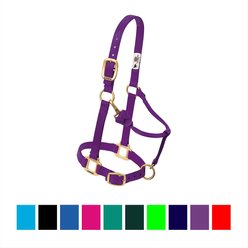
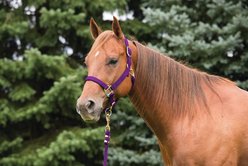

$21.98 Chewy Price
$28.19 List Price
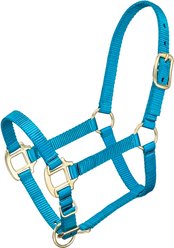
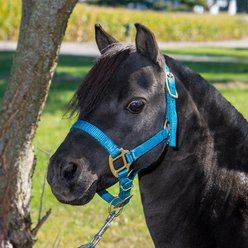
$19.95 Chewy Price

$22.33 Chewy Price
$23.19 List Price
$38.68 Chewy Price
$26.92 Chewy Price
$27.95 List Price
$19.99 Chewy Price
$25.85 Chewy Price
$27.99 List Price
$121.95 Chewy Price
$133.95 List Price
$14.16 Chewy Price
$14.99 List Price
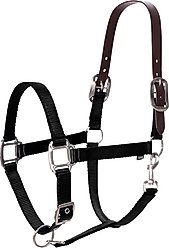
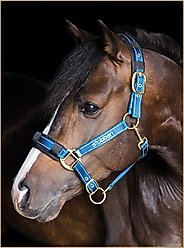
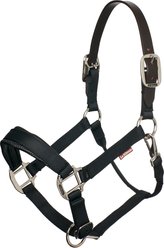
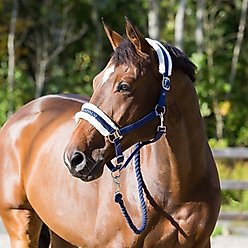
$21.95 Chewy Price
$29.88 List Price
$170.95 Chewy Price
$187.95 List Price
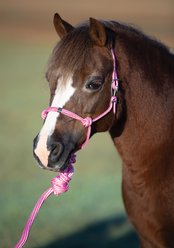
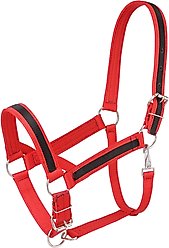
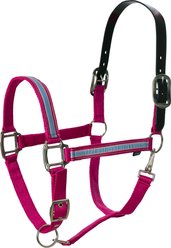
$35.40 Chewy Price
$39.99 List Price
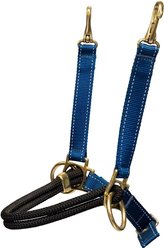

$20.76 Chewy Price
$25.95 List Price
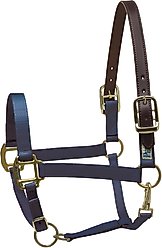
Horse Halters
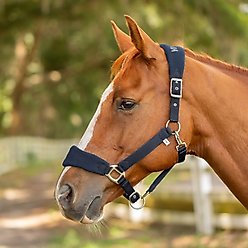
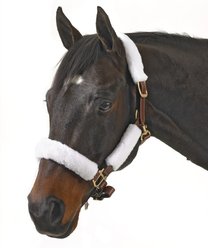
Horse halters are an essential part of tack that allow riders to safely secure and lead their horses. Riders rely on different halters for different purposes and situations, but all halters keep both rider and horse safe and in communication with each other. There are several types of horse halters:
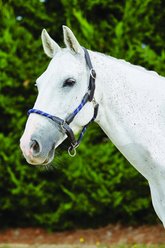
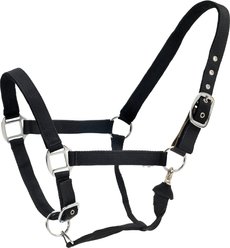
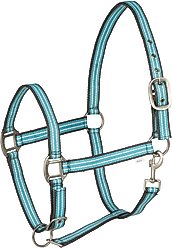
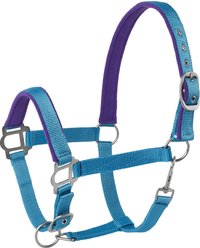
- Nylon Halter: Durable, everyday use; not breakable under pressure
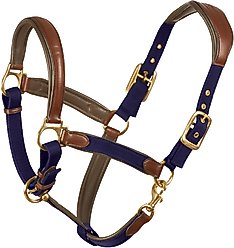
- Breakaway Halter: Nylon with leather piece designed to release should the horse get snagged on something; safer for turnout situations.
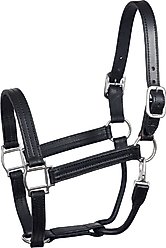
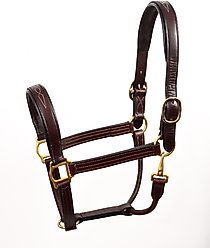
- Leather Halter: Classic look, breaks under stress; ideal for shows or hauling
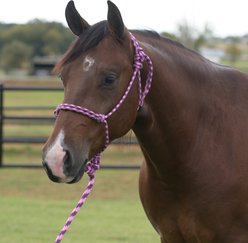
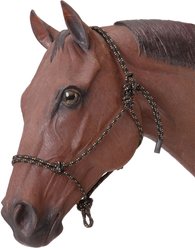
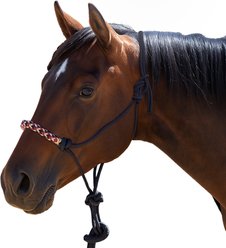
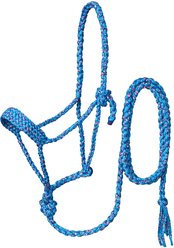
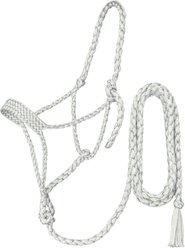
- Rope Halter: Lightweight, precise control; great for training and groundwork
- Show Halter:** Decorative, often with silver; used in halter and showmanship classes
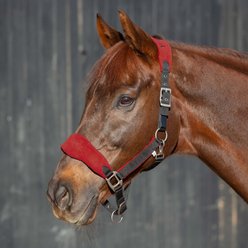
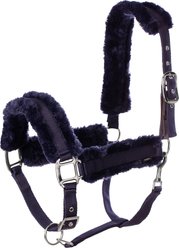
- Shipping Halter: Padded for comfort; protects horse’s face during travel
Horse halters are a vital piece of equipment in and out of the barn. When choosing a halter, consider the specific situation you need it for, such as transport or grooming, and always make sure the halter fits your horse correctly.
Frequently Asked Questions about Horse Halters
What is a horse halter used for?
A halter is what you use to catch, lead, tie, or handle a horse. It’s essential for everyday tasks like grooming, vet checks, and groundwork—basically anytime you need to safely work with your horse from the ground.
What are the different types of horse halters?
The different types of horse halters are show halters, grooming halters, shipping halters, and leather and nylon halters.
How do I put a halter on a horse?
Put on a horse halter by first unbuckling it attaching the lead rope to it. Start on the left side and slowly guide the halter's nosepiece over your horse's muzzle, then pull the headstall over and behind his ears. It may help to use your right hand to gently guide your horse's head toward you so he doesn't pull away. Then, secure the halter using the attached fasteners. Be sure to calm and soothe your horse throughout the process and proceed slowly to avoid spooking him. Some people like to begin by looping the lead line loosely around the horse's neck for better control.
What size halter does my horse need?
Take your horse’s measurements to know what size halter they need. Measure the circumference of your horse’s nose (right beneath their cheekbones), the distance between their cheekbone and poll (the area right behind their ears), and the distance from one cheekbone up to their poll, and back down to the other cheek. Compare these measurements to the size guides provided with each halter. Typical sizes include Foal, Weanling, Yearling, Pony, Horse (Average), Cob, Warmblood, and Draft.
How should a horse halter fit?
A horse halter should fit securely, but not so tightly that it’s uncomfortable or painful for horses. As a general rule, you should be able to slide two or three fingers beneath the noseband of a horse halter, and the halter should be able to slip on and off easily.
Are rope or nylon halters better?
Rope or nylon halters are better depending on what you’re using them for and your individual horse. Riders prefer rope halters for training because they’re thinner and offer more subtle control. Nylon halters are preferred for everyday use because they can be more comfortable and breakaway halters are designed to break when a horse gets caught on something.
Tack Type
Riding Style
Horse Product Type
Brand
7 Brands are shown below