Best Horse Halters
Our Top Picks



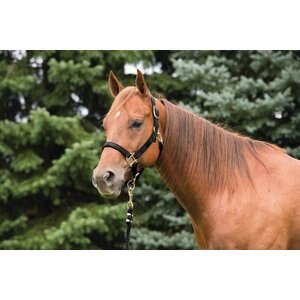

Weaver Equine Original Adjustable Nylon Horse Halter, Black, Average
$25.99 Chewy Price
Promo, New Customers Only: Spend $49+, get $25 eGift Card
Our ratings
Durability
4.9/5
ExcellentFit
4.5/5
GreatFunctionality
4.9/5
ExcellentMaterial
4.8/5
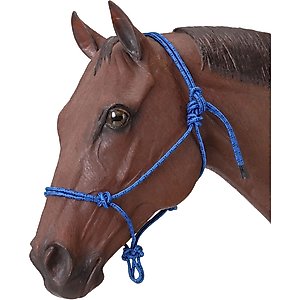
ExcellentTough1 Poly Rope Tied Horse Halter, Royal Blue
$5.59 Chewy Price
Promo, Special offer - price as marked
Our ratings
Durability
4.9/5
ExcellentFit
4.7/5
ExcellentFunctionality
4.8/5
ExcellentMaterial
4.8/5
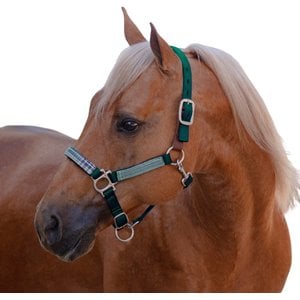
ExcellentThinLine Turnout Horse Halter, Horse
$40.00 Chewy Price
Promo, New Customers Only: Spend $49+, get $25 eGift Card
Our ratings
Durability
4.5/5
GreatFit
4.4/5
GreatFunctionality
4.6/5
ExcellentMaterial
4.3/5
Great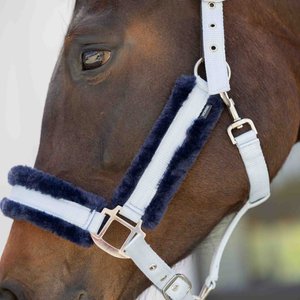
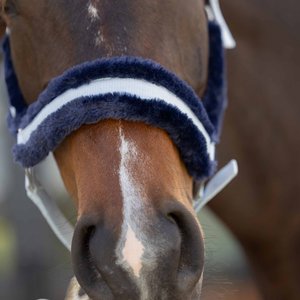

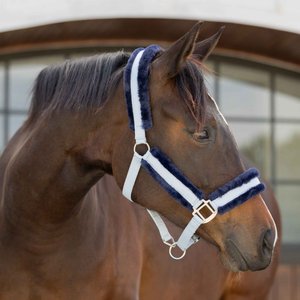
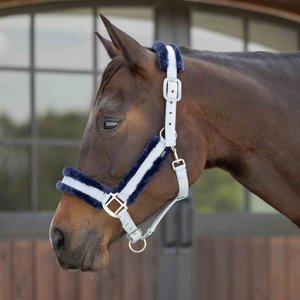
Equinavia Valkyrie Ultra Fleece Horse Breakaway Halter, Sweet Blue/Navy, Cob
$31.99 Chewy Price
Promo, Special offer - price as marked
Our ratings
Durability
4.4/5
GreatFit
4.5/5
GreatFunctionality
4.5/5
GreatMaterial
4.4/5
Great
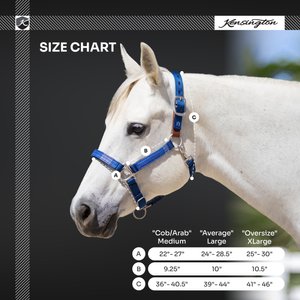
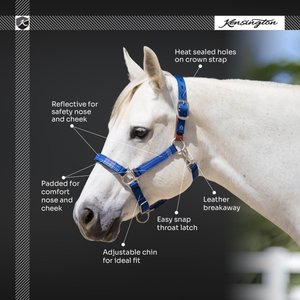

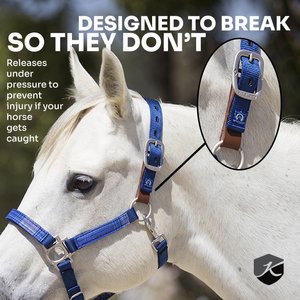


Kensington Protective Products Premium Reflective Horse Nylon Breakaway Halter, Atlantis, Cob/Arab
$43.08 Chewy Price
Promo, Special offer - price as marked
Our ratings
Durability
4.7/5
ExcellentFit
4.7/5
ExcellentFunctionality
4.7/5
ExcellentMaterial
4.7/5
Excellent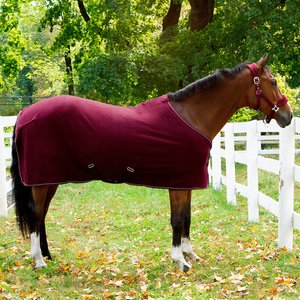


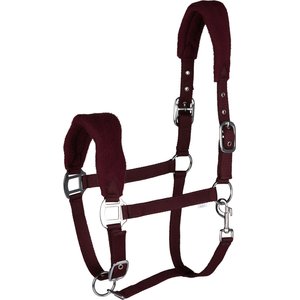
Horze Kiel Horse Halter with Fleece, Dark Red, Horse
$15.99 Chewy Price
Promo, Special offer - price as marked
Our ratings
Durability
4.2/5
GreatFit
4.2/5
GreatFunctionality
4.1/5
GreatMaterial
4.3/5
Great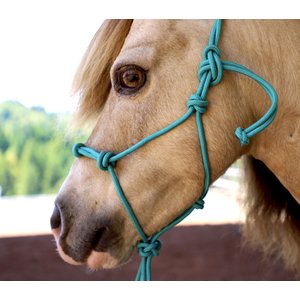
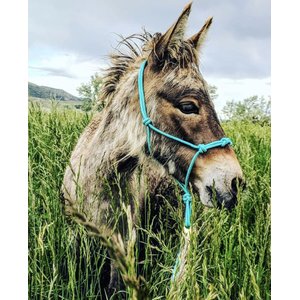
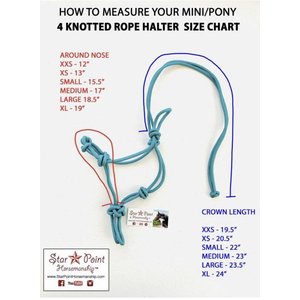
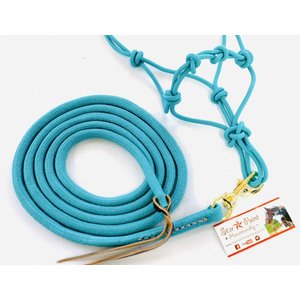
Star Point Horsemanship Mini-Pony-Livestock 4 Knot Rope Halter & 8-ft Lead Set, Teal, Medium
$34.99 Chewy Price
Promo, New Customers Only: Spend $49+, get $25 eGift Card
Our ratings
Durability
4.2/5
GreatFit
4.3/5
GreatFunctionality
4.4/5
GreatMaterial
4.0/5
Great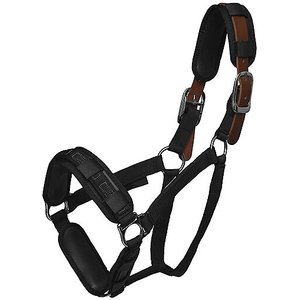
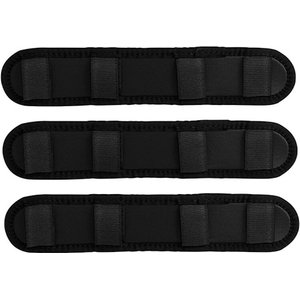
ThinLine Horse Halter Liners, 3 count, Horse
$27.00 Chewy Price
($9.00/ea)
Promo, New Customers Only: Spend $49+, get $25 eGift Card
Our ratings
Durability
4.4/5
GreatFit
4.4/5
GreatFunctionality
4.5/5
GreatMaterial
4.5/5
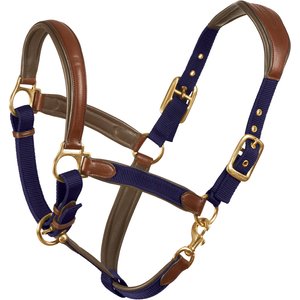
GreatOvation Luxor Cushion-Flex Horse Halter, Brown/Navy, Horse
$61.56 Chewy Price
Promo, Special offer - price as marked
Our ratings
Durability
4.7/5
ExcellentFit
4.8/5
ExcellentFunctionality
4.7/5
ExcellentMaterial
4.8/5
Excellent

Weaver Equine Basic Adjustable Nylon Horse Halter, Turquoise, Average
$19.58 Chewy Price
Promo, New Customers Only: Spend $49+, get $25 eGift Card
Our ratings
Durability
4.6/5
ExcellentFit
4.7/5
ExcellentFunctionality
4.7/5
ExcellentMaterial
4.7/5
Excellent