Best Hoof Boots
Our Top Picks






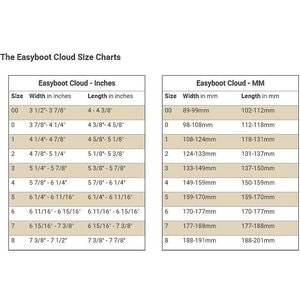
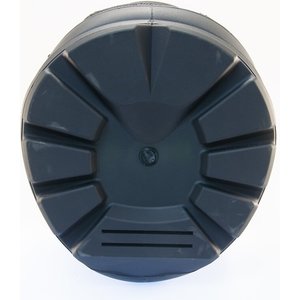
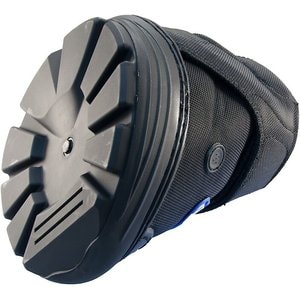
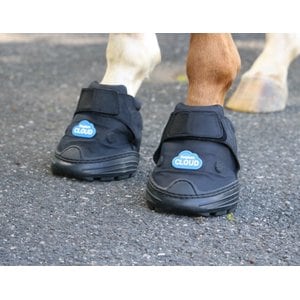
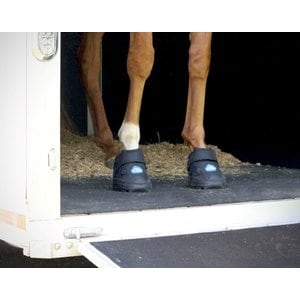

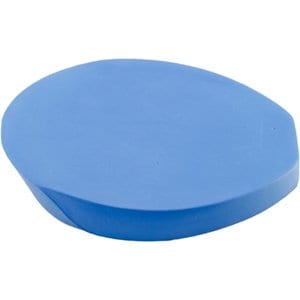
EasyCare Easyboot Cloud Horse Hoof Boot, Size: 0, 1 count
$103.00 Chewy Price
($103.00/ea)
Promo, New Customers Only: Spend $49+, get $25 eGift Card
Our ratings
Comfort
4.6/5
ExcellentDurability
4.5/5
GreatEase of Use
4.6/5
ExcellentProtection
4.5/5
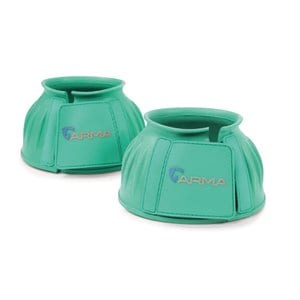
GreatShires Equestrian Products ARMA Touch Close Over Reach Horse Boots, Teal, XX-Full, 1 count
$19.99 Chewy Price
Promo, New Customers Only: Spend $49+, get $25 eGift Card
Our ratings
Comfort
4.4/5
GreatDurability
4.5/5
GreatEase of Use
4.2/5
GreatProtection
4.2/5
Great


Click Horse Hock Shields, Black, X-Large
$44.99 Chewy Price
Promo, New Customers Only: Spend $49+, get $25 eGift Card
Our ratings
Comfort
4.5/5
GreatDurability
4.5/5
GreatEase of Use
4.6/5
ExcellentProtection
4.5/5
Great


LeMieux Rubber Bell Horse Boots, Black, Small, 2 count
$26.35 Chewy Price
($13.18/ea)
Promo, New Customers Only: Spend $49+, get $25 eGift Card
Our ratings
Comfort
4.8/5
ExcellentDurability
4.6/5
ExcellentEase of Use
4.5/5
GreatProtection
4.6/5
Excellent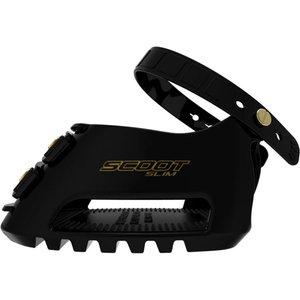

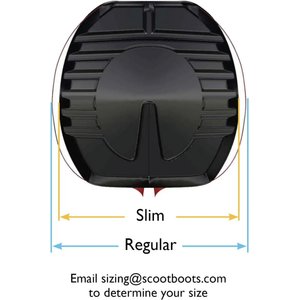
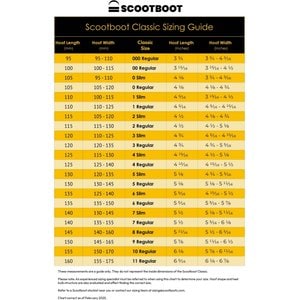
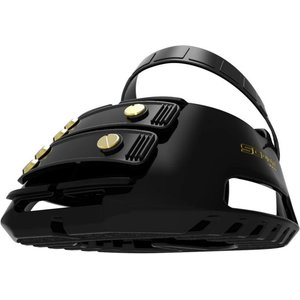
Scootboot Hoof Boot, Black, 0, 1 count
$139.00 Chewy Price
($139.00/ea)
Promo, New Customers Only: Spend $49+, get $25 eGift Card
Our ratings
Comfort
4.6/5
ExcellentDurability
4.8/5
ExcellentEase of Use
4.7/5
ExcellentProtection
4.8/5
Excellent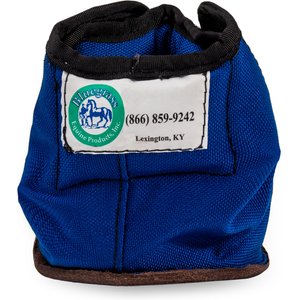
Bluegrass Animal Products Deluxe Equine Slipper, Blue, Small
$47.99 Chewy Price
Promo, New Customers Only: Spend $49+, get $25 eGift Card
Our ratings
Comfort
4.3/5
GreatDurability
4.6/5
ExcellentEase of Use
4.6/5
ExcellentProtection
4.7/5
Excellent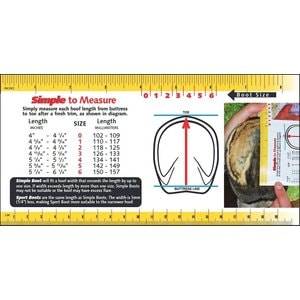
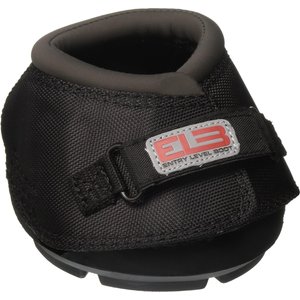
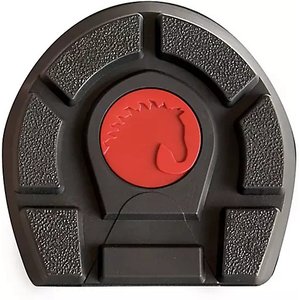
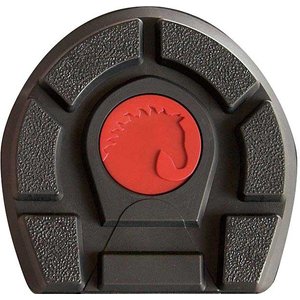
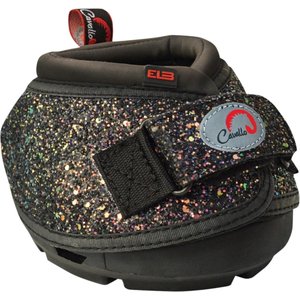
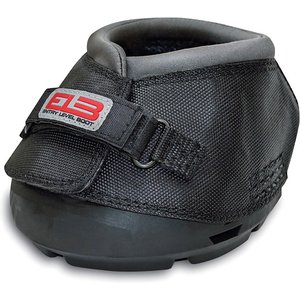
Cavallo Entry Level Regular Horse Hoof Boots, 1 count, Size 1
$64.99 Chewy Price
Promo, New Customers Only: Spend $49+, get $25 eGift Card
Our ratings
Comfort
4.8/5
ExcellentDurability
4.8/5
ExcellentEase of Use
4.7/5
ExcellentProtection
4.8/5
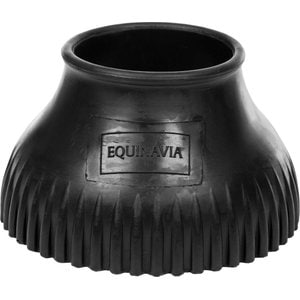
ExcellentEquinavia Rubber Pull On Horse Bell Boots, Black, Large
$16.99 Chewy Price
Promo, New Customers Only: Spend $49+, get $25 eGift Card
Our ratings
Comfort
4.6/5
ExcellentDurability
4.6/5
ExcellentEase of Use
4.5/5
GreatProtection
4.5/5
Great


EasyCare Easyboot Trail Horse Hoof Boot, 4
$59.88 Chewy Price
($59.88/ea)
Promo, New Customers Only: Spend $49+, get $25 eGift Card
Our ratings
Comfort
4.4/5
GreatDurability
4.4/5
GreatEase of Use
4.6/5
ExcellentProtection
4.5/5
Great

Cashel Rubber Bell Horse Boots, Black, X-Large
$19.99 Chewy Price
Promo, New Customers Only: Spend $49+, get $25 eGift Card
Our ratings
Comfort
4.6/5
ExcellentDurability
4.5/5
GreatEase of Use
4.5/5
GreatProtection
4.4/5
Great