Sort
Filter




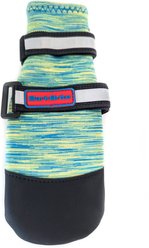
$32.99 Chewy Price
($8.25/ea) Price per Unit
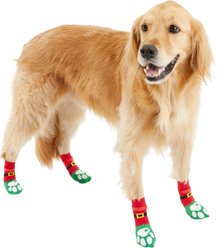
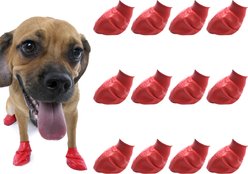
$17.99 Chewy Price
New
$43.99 Chewy Price
$22.00 Chewy Price
($1.10/ea) Price per Unit

New
$11.99 Chewy Price
$14.99 List Price
$28.99 Chewy Price
($7.25/ea) Price per Unit
$7.19 Chewy Price
$8.99 List Price
$39.99 Chewy Price
($2.00/ea) Price per Unit
$37.99 Autoship Price
$18.80 Chewy Price
$22.25 List Price
$39.99 Chewy Price
Autoship Price
- Personalized Item
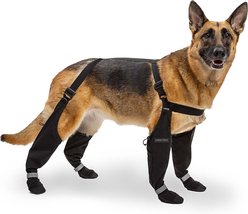
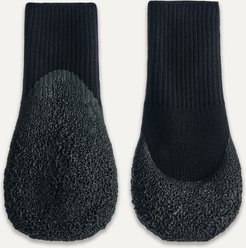
Dog Shoes & Socks
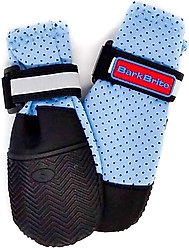
Could your pup's paws use a little extra protection in extreme temperatures? Or maybe they could use help with traction on rough terrain or slippery surfaces. Dog boots and dog socks offer versatile accommodation for these situations and more. Though it takes some dogs a little while to get used to them, a properly fitted set of booties can be both comfortable and functional. Here are some factors to consider when shopping for dog boots and socks:
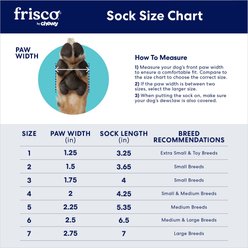
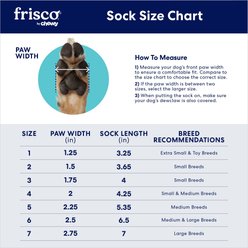
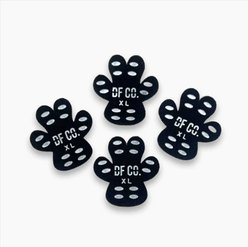
- Sizing: Refer to the manufacturer's size chart to find the right fit for your pup's paw width
- Materials: Dog socks are typically made from lightweight, breathable materials, while dog boots tend to be more heavy-duty
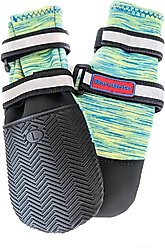
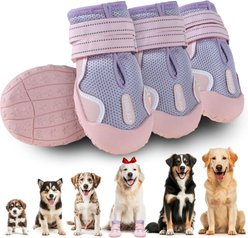
- Adjustable straps: Adjustable straps enable you to achieve a snug and secure fit
- Non-slip soles: Improve your pup's traction on slippery surfaces with non-skid soles
- Waterproof: Consider waterproof or water-resistant options for wet conditions
No matter what style of dog boots or socks you choose, it's important to ensure a proper fit. A poorly fitted boot won't be comfortable for your pup, and it might fall off or impair their mobility. Measure the width of your dog's front and back paws then use the manufacturer's size chart to find the closest fit. Check the boots periodically while your dog is wearing them to make sure they're still snug but not too tight.
Frequently Asked Questions about Dog Shoes & Socks
How do I choose dog booties?
Choose dog booties designed for the specific use you have in mind, whether it's hot or cold weather protection, traction, visibility, or comfort. Once you've narrowed down the options, take your dog's paw measurement and compare it to the manufacturer's size chart to find the right fit.
Do dog boots really work?
Yes, dog boots can work in situations where protection or additional traction is required. Not all dogs need boots, however, and some don't enjoy wearing them. It's important to find the proper fit and get your dog used to wearing them slowly.
When should my dog wear boots or socks?
Dogs may benefit from wearing boots or socks in situations where their paws could use some protection. Dog booties can help with rough terrain and extreme temperatures or provide protection for pups with paw injuries. They can also improve traction for senior pups and dogs with mobility issues.
How do I choose the right size and fit for dog boots?
To find the right size and fit for dog boots, start by taking a measurement of your dog's paw. Compare the width of your dog's paw to the manufacturer's size chart and size up if your pup's paw is in between two sizes. Be sure to measure both the front and back paws, as they could differ in size.
At what temperature do dogs need booties?
Dogs may need booties in both hot and cold temperatures. In freezing temperatures, dog boots can protect your pup's paws against frostbite, injuries from sharp ice, and chemical burns from salt. In hot temperatures, boots act as a layer of protection between your pup's paws and hot asphalt.
What materials and features should I look for in dog socks?
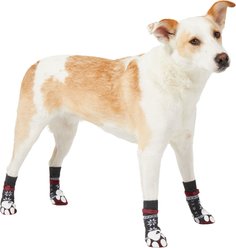
Look for dog socks made from breathable materials like cotton or wool. For optimal comfort, choose socks appropriate for your pup's paw size with adjustable straps to ensure a snug and secure fit. Other features like non-slip soles and waterproof coatings may be beneficial in some cases.
Save 5% on repeat deliveries
Breed Size
Closure Type
Pattern
Brand
7 Brands are shown below