Sort
Filter

$5.35 Chewy Price
($1.34/oz) Price per Unit
$9.99 List Price
$5.08 Autoship Price
$18.99 Chewy Price
($0.76/ea) Price per Unit
$18.04 Autoship Price
- Contains Live Feed
$19.40 Chewy Price
($0.39/ea) Price per Unit
$19.99 List Price
- Contains Live Feed

$9.49 Chewy Price
($2.97/oz) Price per Unit
$17.99 List Price
$9.02 Autoship Price
$2.20 Chewy Price
($0.37/g) Price per Unit
$2.99 List Price
$2.09 Autoship Price

$16.24 Chewy Price
($0.02/ea) Price per Unit
$16.99 List Price
$15.43 Autoship Price
- Contains Live Feed
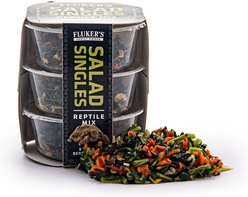
$5.99 Chewy Price
($2.00/ea) Price per Unit
$8.55 List Price
$5.69 Autoship Price
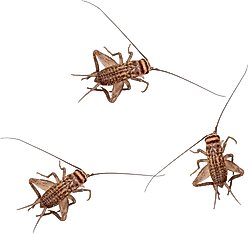
$12.99 Chewy Price
($0.22/ea) Price per Unit
- Contains Live Feed
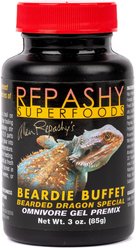
$10.99 Chewy Price
($3.67/oz) Price per Unit
$12.58 List Price
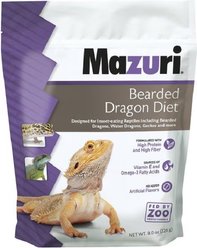
$11.19 Chewy Price
($1.40/oz) Price per Unit
$13.99 List Price
$10.63 Autoship Price
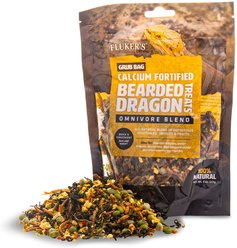
$7.93 Chewy Price
($1.99/oz) Price per Unit
$7.99 List Price
$7.53 Autoship Price
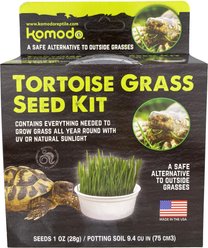
$3.99 Chewy Price
($3.99/ea) Price per Unit
$8.47 List Price
$3.79 Autoship Price

$21.99 Chewy Price
($0.88/ea) Price per Unit
$20.89 Autoship Price
- Contains Live Feed
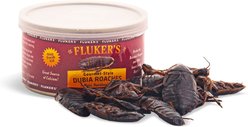
$6.16 Chewy Price
($5.14/oz) Price per Unit
$7.34 List Price
$5.85 Autoship Price

$15.27 Chewy Price
($0.16/ea) Price per Unit
$16.95 List Price
$14.51 Autoship Price
- Contains Live Feed
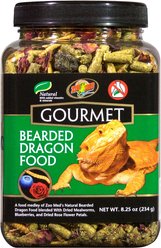
$9.99 Chewy Price
($1.22/oz) Price per Unit
$11.99 List Price
$9.49 Autoship Price
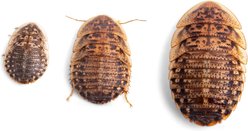
$15.70 Chewy Price
($0.32/ea) Price per Unit
$19.99 List Price
$14.92 Autoship Price
- Contains Live Feed
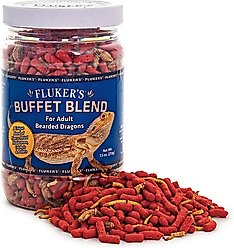
$10.69 Chewy Price
($1.43/oz) Price per Unit
$15.40 List Price
$10.16 Autoship Price
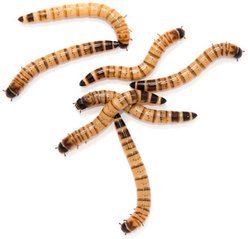
$22.99 Chewy Price
($0.05/ea) Price per Unit
- Contains Live Feed
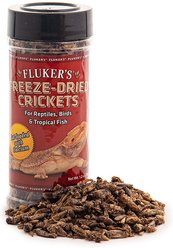
$6.23 Chewy Price
($5.20/oz) Price per Unit
$13.17 List Price
$5.92 Autoship Price
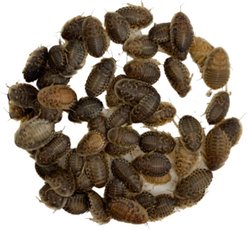
New
$58.00 Chewy Price
($0.20/ea) Price per Unit
$55.10 Autoship Price
- Contains Live Feed
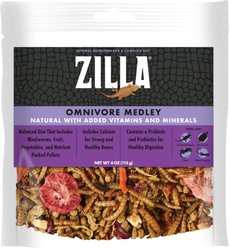
$7.97 Chewy Price
($2.00/oz) Price per Unit
$9.99 List Price
$7.57 Autoship Price
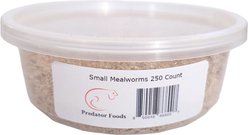
$19.99 Chewy Price
($0.08/ea) Price per Unit
- Contains Live Feed
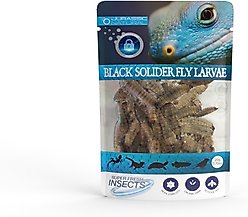
$3.69 Chewy Price
($5.28/oz) Price per Unit
$6.29 List Price
$17.99 Chewy Price
($0.18/ea) Price per Unit
$21.59 List Price
$17.09 Autoship Price
- Contains Live Feed
$5.99 Chewy Price
($0.93/oz) Price per Unit
$9.89 List Price
$5.69 Autoship Price
$3.99 Chewy Price
($0.67/oz) Price per Unit
$5.99 List Price
$3.79 Autoship Price
$7.69 Chewy Price
($2.80/oz) Price per Unit
$9.59 List Price
$7.31 Autoship Price
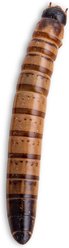
$20.74 Chewy Price
($0.21/ea) Price per Unit
$23.99 List Price
$19.70 Autoship Price
- Contains Live Feed
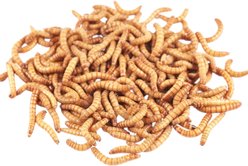
$13.99 Chewy Price
($0.06/ea) Price per Unit
- Contains Live Feed

$8.99 Chewy Price
($8.99/oz) Price per Unit
$10.71 List Price
$8.54 Autoship Price
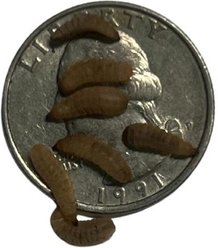
New
$33.00 Chewy Price
($0.04/ea) Price per Unit
$31.35 Autoship Price
- Contains Live Feed
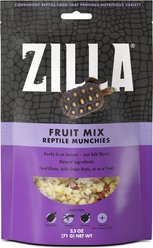
$14.95 Chewy Price
($5.98/oz) Price per Unit
$17.99 List Price
$14.20 Autoship Price
$25.99 Chewy Price
($0.11/ea) Price per Unit
- Contains Live Feed
$22.99 Chewy Price
($0.58/ea) Price per Unit
$46.29 List Price
$21.84 Autoship Price
$16.99 Chewy Price
($0.68/ea) Price per Unit
$16.14 Autoship Price
- Contains Live Feed




Bearded Dragon Food
Understanding the nuanced bearded dragon diet is key to keeping your scaly friend thriving. Beardies are omnivores, so they'll enjoy everything from crunchy dubia roaches to blueberries. Depending on the age of your dragon, their dietary needs vary. Juveniles need more than an adult, so be sure to check with your vet for the most thorough feeding suggestion. You can start by mixing leafy greens with gut-loading protein like superworms and kale. Whether you're a seasoned reptile parent or a newly minted dragon enthusiast, finding the right nutrition can transform your bearded dragon's mealtime from routine to spectacular. Chewy offers a wide range of bearded dragon food options, including:
- Live insects: Premium crickets, dubia roaches, and mealworms for protein-packed meals
- Freeze-dried insects: Convenient, nutritionally dense protein sources for easy feeding
- Specialized reptile pellets: Balanced nutrition formulated specifically for bearded dragons
- Fresh vegetable mixes: Pre-packaged greens and veggie blends for herbivore needs
- Nutritional supplements: Calcium and vitamin powders to ensure complete dietary support
A well-planned bearded dragon diet isn't just food, it's happy beardie fuel. By curating a nutritionally balanced diet that mirrors their natural habitat, you can keep your dragon happy and healthy for years to come.
Frequently Asked Questions about Bearded Dragon Food
What different kinds of food can bearded dragons eat?
Bearded dragons can eat many different kinds of food. They like to eat crickets, mealworms, roaches, silkworms, earthworms, hornworms and many types of greens, vegetables and fruits. Bearded dragons can also eat packaged bearded dragon pellet food, which usually replaces the insect portion of their diet. Just be sure to read the label for proper feeding guidelines and provide plenty of fresh vegetables, if directed.
Should I feed my bearded dragon every day?
You should feed your bearded dragon every day once he reaches adulthood. However, young bearded dragons under 18 months old will need to eat more frequently. Baby bearded dragons may need to be fed 3 to 5 times a day, while juveniles should eat roughly twice a day.
How much food do bearded dragons need?
Bearded dragons need different amounts of food at different life stages. A good rule of thumb is to give your dragon as many insects as he will eat in 10 minutes and as many vegetables as he can ingest in 30 minutes. Feed younger dragons several times a day and feed mature dragons just once a day. An adult bearded dragon can be expected to eat around 10 crickets a day, while a juvenile may eat as many as 50. If you're feeding a packaged bearded dragon diet, consult the label for recommended feeding amounts at every age.
What is the best way to feed a bearded dragon?
The best way to feed a bearded dragon is to give as much insect prey food as your pet can eat in about 10 minutes and as much vegetable food as he can eat in roughly 30 minutes. Feed baby and juvenile bearded dragons several times a day to ensure they are getting enough food to grow and thrive.
What do you feed a bearded dragon?
Bearded dragons require a mixed diet of live insects as a protein source (like fly larvae and roaches) and fresh vegetables. Young dragons need more protein, while adults require more plant-based foods.
Do bearded dragons need live food?
Yes. Live insects are crucial for protein intake, especially for younger dragons. They provide essential nutrients that can't be replicated in processed foods.
How many times a day should I feed my bearded dragon?
This varies depending on your pet dragon. It's best to consult your vet for the best suggestion.
How do you store bearded dragon food?
When it comes to live insects, keep them in a ventilated container with appropriate food and minimal moisture. Vegetables can be refrigerated and dry foods should be stored in a cool, dry place to prevent spoilage.
Save 5% on repeat deliveries
Food Form
Insect Type
Brand
7 Brands are shown below