What Is Bird Molting?


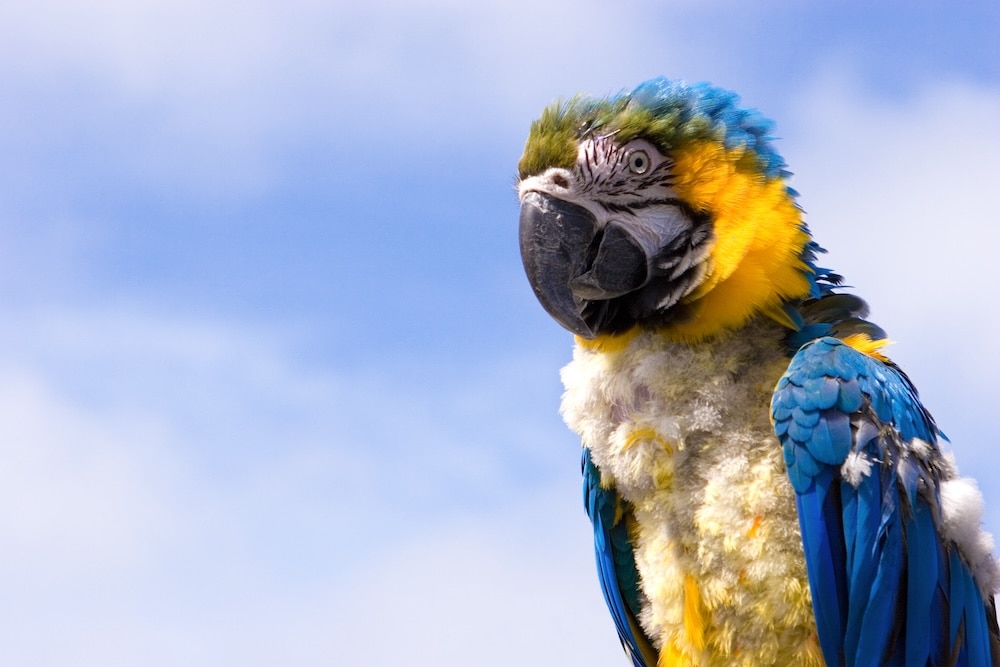
Photo by Keith Lance/iStock/Getty Images Plus
If you’ve ever noticed feathers scattered around a bird’s cage or yard, you might wonder what’s going on. In many cases, this is simply a normal part of a bird’s life cycle called molting.
Bird molting is the natural process of shedding old feathers and growing new ones. Because feathers can’t repair themselves once they become worn or damaged, birds must replace them regularly to stay healthy. This process happens in both wild birds and pet birds, including parrots, cockatiels, and budgies.
Understanding how molting works can help bird owners recognize what’s normal and know how to support their feathered friends during this important stage.
Key Takeaways
- Molting is the natural process of shedding old feathers and growing new ones.
- Most birds molt once or twice per year, depending on the species.
- Molting helps maintain healthy feathers for flight, insulation, and protection.
- During molting, birds may appear patchy as they lose feathers and grow pin feathers.
- Proper nutrition and reduced stress can help birds stay healthy during molting.
- Molting can be a stressful process for some birds.
What Is Bird Molting?
Bird molting refers to the regular replacement of feathers. Over time, feathers become worn from flying, grooming, and exposure to the environment. Because feathers are made of beta keratin, the same protein found in hair and nails, they cannot repair themselves once damaged.
Instead, birds shed old feathers and grow new ones from specialized structures in the skin called feather follicles. This cycle ensures birds always have strong, functional feathers.
Molting occurs throughout a bird’s life and follows patterns that vary by species.
How the Molting Process Works
During molting, feathers fall out gradually and are replaced by new ones growing beneath the skin. These new feathers begin as pin feathers, which are small, spiky, and covered by a protective keratin sheath.
As a pin feather grows, the sheath eventually flakes away, revealing the fully formed feather underneath. Birds often help remove these sheaths through preening, a grooming behavior that keeps feathers clean and aligned.
Molting Patterns
Most birds do not lose all their feathers at once. Instead, feathers are replaced gradually and symmetrically, allowing birds to maintain their ability to fly and stay protected from the elements.
For example, wing feathers may be replaced in a specific sequence so that birds can continue flying while molting.
Why Birds Molt
Molting is essential for maintaining feather quality and overall health. There are several reasons birds go through this process.
Replacing Worn or Damaged Feathers
Feathers experience a lot of wear over time. Everyday activities like flying and grooming, as well as exposure to sunlight, can weaken feathers or cause them to break.
Molting allows birds to replace these worn feathers with fresh, strong ones, ensuring their plumage stays functional.
Seasonal Changes
Many birds molt in response to seasonal changes. As temperatures shift, birds may grow feathers better suited for the upcoming season.
For example, a bird may grow thicker plumage to help with insulation during cooler weather.
Breeding and Plumage Changes
Some species undergo molting to develop breeding plumage, which may include brighter colors or distinctive patterns. These visual signals help birds attract mates and communicate with other members of their species.
When Birds Molt
Molting schedules vary depending on the species, age, and environment of the bird.
Annual Molting Cycles
Many birds molt seasonally once or twice per year. In wild birds, molting often occurs after the breeding season, when birds have finished raising their young.
This timing allows birds to conserve energy during periods when they are not actively nesting or migrating.
Seasonal Molting
Some birds experience seasonal molts during spring or summer. In these cases, birds may go through either a partial molt, replacing only certain feathers, or a complete molt, replacing most or all feathers.
The exact timing depends on the species and environmental factors, such as daylight and temperature.
Molting in Pet Birds
Pet birds like parrots, cockatiels, and budgies molt regularly. Their molting cycles may be influenced by factors including indoor lighting, diet, and seasonal changes.
While the schedule can vary, many companion birds molt once or twice per year, often in spring and fall.
Signs a Bird Is Molting
Molting can sometimes look dramatic, especially if you’re seeing it for the first time. However, it’s usually a normal process.
Visible Feather Loss
One of the most obvious signs of molting is finding loose feathers around your bird’s cage, your home, or their outdoor area.
This feather loss is typically gradual and spread out over time.
Pin Feathers
During molting, you may notice small, spiky structures emerging through your bird’s skin. These pin feathers are new feathers growing in.
Because some areas are sensitive and sometimes painful while feathers are developing, birds may be slightly more cautious about being touched in these areas.
Patchy or Scruffy Appearance
Birds often look less sleek during a molt. Their feathers may appear uneven or patchy until the new feathers fully grow in.
Increased Grooming
Birds may spend more time preening during molting to help remove the protective sheaths from pin feathers and maintain feather alignment.
Molting vs. Feather Plucking
For bird owners, it’s important to distinguish normal molting from feather plucking, which can indicate behavioral or medical issues.
Normal Molting
During normal molting:
- Feather loss is even and symmetrical
- New feathers quickly grow in to replace old ones
- Reduced activity, but still eating and drinking normally
Feather Plucking
Feather plucking is different and may involve:
- Bald patches or exposed skin
- Feathers that appear chewed, damaged, or broken
- Signs of stress, illness, or boredom
If you suspect feather plucking rather than molting, it’s a good idea to consult an avian veterinarian.
Supporting Birds During Molting
Molting requires extra energy and nutrients, so birds may benefit from additional care during this time.
Provide Proper Nutrition
Feathers are made largely of protein, so birds need a balanced diet to support healthy feather growth.
Recommended Products
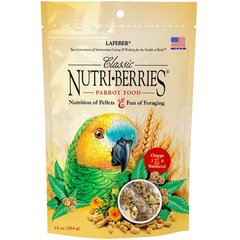

A diet rich in high-quality protein, vitamins, and minerals helps birds replace feathers effectively. There are also commercially available molting supplements you can give your bird.
Recommended Products
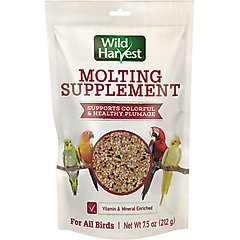
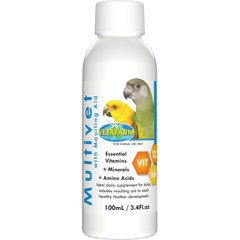
Always follow the manufacturer’s instructions when giving your bird supplements, and reach out to your veterinarian with any questions.
Reduce Stress
Maintaining a calm, stable environment can help birds cope with the extra energy demands of molting. Try to keep routines consistent and avoid sudden environmental changes.
Encourage Healthy Grooming
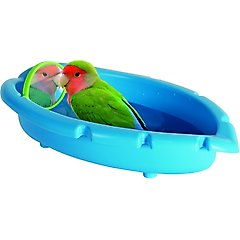
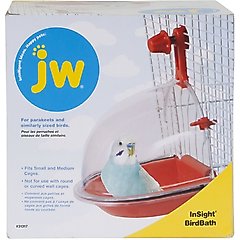
Many birds enjoy bathing during molting. Providing opportunities for bathing can help soften feather sheaths and make grooming easier.
Recommended Products
You can also use a spray bottle to gently spray your bird with water.
Monitor Your Bird’s Health
While molting is normal, excessive feather loss or abnormal behavior may indicate a problem. If anything seems unusual, consult an avian veterinarian.
Molting is a natural and necessary part of a bird’s life. While molting can make birds look a bit scruffy for a while, it plays a vital role in supporting flight, insulation, and protection.
By understanding the molting process and providing proper nutrition and care, bird owners can help their feathered companions stay healthy and comfortable throughout each molting cycle.
Attributions
This article was created with assistance from AI tools. The content has been reviewed for accuracy and edited by a human.