Lory and Lorikeet Care Sheet


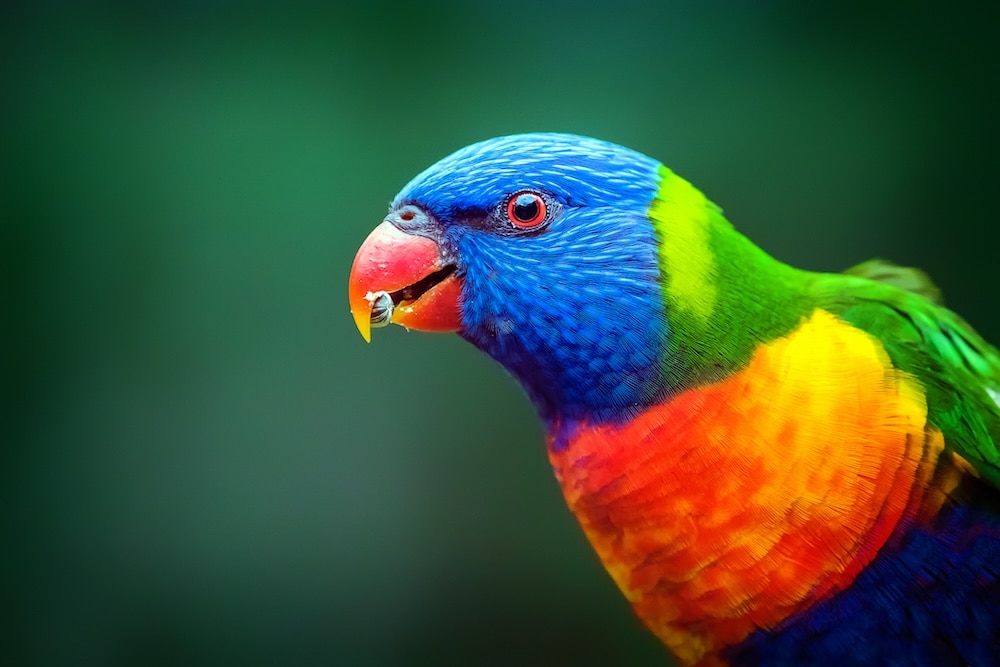
Photo by tracielouise/iStock/Getty Images Plus
Lories and lorikeets are small, colorful birds that require extra time, energy, and care compared to other pets, although they can be good for kids as long as there’s an adult present. If you’rethinking about getting a lory or a lorikeet bird, learn how to take care of them to give them a long and healthy life.
Lory and Lorikeet Bird Overview
- Part of the parrot family, lories and lorikeets are very vocal, talkative birds.
- These birds should have their own cages and should never be housed together.
- Lorikeets are known to be affectionate birds and they love attention from their humans.
Fun Facts About Lories and Lorikeets
- There are more than 50 species of lories and lorikeets.
- Lory and lorikeet birds have brush-tipped tongues that help them sweep pollen and nectar into their mouths.
- Some rainbow lories sleep on their backs on the floor of their cages.
Lory and Lorikeet Cages
A single adult lory or lorikeet bird should have a cage that’s at least 36 inches long, 24 inches wide, and 36 inches high.
Recommended Products
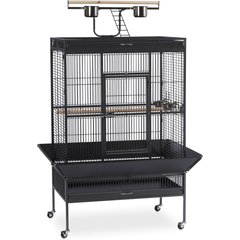
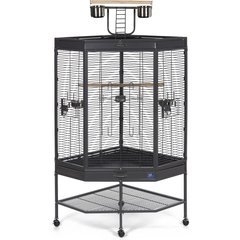
The space between the cage’s bars should be no larger than ½-inch. Otherwise, you risk your bird getting stuck or escaping. The cage should securely lock to keep your bird safely inside.
Put the cage in a high-traffic area of your home, off the ground, in a draft-free, well-lit area. Don’t put the cage in the kitchen, as fumes and smoke could be toxic to your bird if inhaled.
Don’t keep multiple lories and lorikeets in the same cage, even if they are the same species. If you plan on having more than one, each bird needs their own cage.
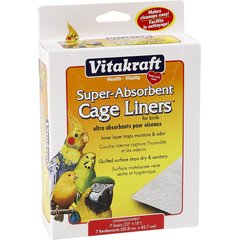
Line the removable tray at the bottom of the cage, under the removable metal grate, with habitat paper or paper-based bedding.
Recommended Product
To supplement UV exposure, add a full-spectrum UV light for lorikeets and lories or provide access to full indirect sunlight.
Recommended Product
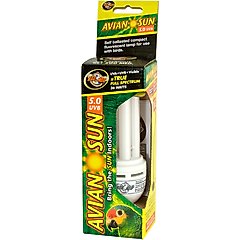
The light can run 10–12 hours each day, so replace the bulb every six months or so.
Add various perches at different heights throughout the cage. Perches can be made of diverse materials and be different sizes, ranging from ½- to ¾-inch in diameter.
Recommended Products
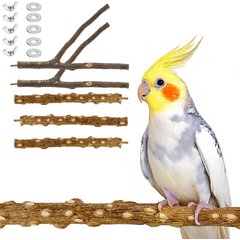
If a perch is too wide, your bird won’t be able to properly grip it, potentially leading to falls or serious injuries.
Lories and lorikeets are highly social, active birds. They need toys of varying materials, textures, shapes, and colors for play, exercise, and mental stimulation.
Recommended Products
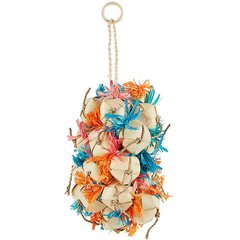

It’s important to regularly rotate toys so your bird won’t get bored.
You can include toys made of cardboard and soft wood. Plastic bird toys should be hard enough that your lory or lorikeet won’t be able to chew off and ingest pieces.
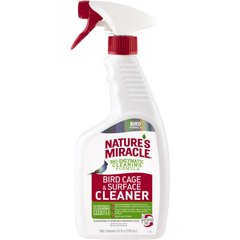
Spot-clean the habitat daily by removing discarded food and any soiled materials. Clean food and water bowls daily. Remove and replace bedding or habitat liners weekly. Thoroughly clean the cage, toys, and accessories weekly with a bird habitat cleaner or a bleach solution.
Recommended Product
What Do Lories and Lorikeets Eat?
Feed your lory or lorikeet a high-quality, commercially available powdered nectar or pollen substitute mixed with water.
Recommended Product
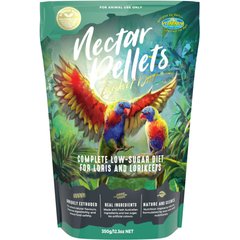
These mixtures spoil quickly, so remove any uneaten food within a couple of hours and make a fresh batch daily.
Alternatively, you can feed them a low-iron pelleted bird food—less than 100 ppm of iron—that’s formulated for lories and lorikeets.
Recommended Product
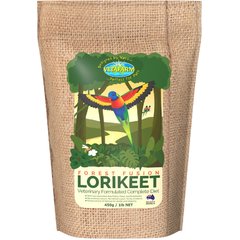
You can also give your bird limited amounts of fruits and vegetables such as carrots, broccoli, pumpkins, squash, and sweet potatoes, as long as they are cut into bite-sized pieces. Avoid citrusfruits, strawberries, papayas, cantaloupes, and seeds, as these are harmful.
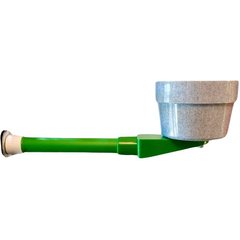
Each type of food should have its own dish: one for the nectar/pollen mixture, one for pelleted food, and one for water.
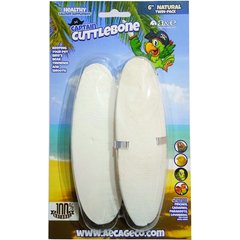
While you shouldn’t normally need supplements for your bird, cuttlebones are a great source of calcium, which helps keep their beak, bones, and feathers strong. You can place the cuttlebone in a cuttlebone holder to prevent debris from falling outside the cage.
Recommended Product
How To Hold a Lory or Lorikeet
Lories and lorikeets need time outside their cage every day. Always supervise your bird to ensure they remain safe. Keep doors and windows closed so your bird won’t accidentally get out.
Pay attention to your bird’s behavior while approaching them. If you notice flared tail feathers or pinned eyes, or your bird lunges at you, these could be signs that they’re scared or stressed. When you see these behaviors, avoid handling your bird.
Lorikeets and lories may nip or bite you when excited or threatened. Don’t leave them with children who are unsupervised.
If your bird bites you, do not yell at them or hit them. Instead, place them back in their cage or another pet-safe area, then walk away. This is a “time-out” for your bird, showing them that their behavior won’t be tolerated.
Lory and Lorikeet Health
Take your lory or lorikeet to an avian veterinarian once a year for an annual checkup. Also take your bird to the vet if you suspect they are sick or injured.
Healthy lories and lorikeets have clean eyes, nostrils, feet, and vents. They should have bright feathers and a symmetrical beak. Their wings should have a full range of motion, and their feet should have a strong grip.
If you notice eye or nasal discharge, feather plucking, bleeding feathers, itching, foot sores, or lack of a grip, causing your bird to fall off their perches, call your vet right away.
If your bird has an overgrown beak or fractures in their beak, exhibit a loss of appetite, vomiting, or rapid breathing, or they aren’t being vocal or social, these could be signs of a larger issue.
Contact your veterinarian any time you’re worried about your pet.
Pet Lory and Lorikeet Supply Checklist
- Appropriately sized habitat
- Food and water bowls
- Low-iron pelleted diet
- Commercially available nectar/pollen substitute
- Habitat paper or paper litter
- Variety of toys and perches
- Mister spray bottle, nail clippers, and styptic powder
- Play gym
- Cuttlebone and cuttlebone holder
FAQs About Lories and Lorikeets
Is a lory a parrot?
Yes, a lory is part of the parrot family.
Is a lorikeet a parrot or a parakeet?
Lorikeets are not parakeets, but lorikeets and parakeets are both types of parrots.
Are lories and lorikeets good pets?
Lories and lorikeets are great pets, but they require more attention and care than other types of birds. They are best for pet parents who already have experience caring for birds.
Do lories and lorikeets talk?
Yes, lories and lorikeets talk. These birds are quite vocal!
How long do lories and lorikeets live?
With proper care, lories and lorikeets can live up to 30 years, depending on the species.
How big do lories and lorikeets get?
Depending on the species, lories and lorikeets can be up to 13 inches long.
Click here for a printable PDF version of this care sheet!
Attributions