Button Quail Care Sheet


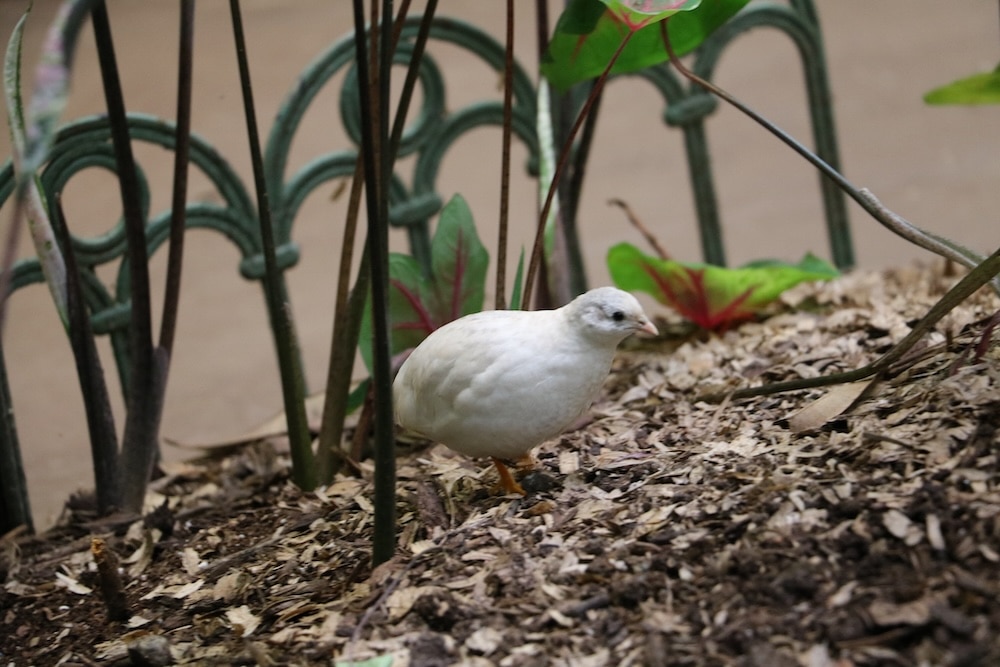
Photo by Mary Ballard/iStock/Getty Images Plus
The button quail is a tiny, ground-dwelling bird. If you’re getting a button quail as a pet or you’ve recently gotten one, learn what you need to give them a healthy, happy life.
Button Quail Overview
- Button quails are much smaller, quieter, and cleaner than true quails.
- The button quail is only about 4–5 inches long and weighs about 50–70 grams.
- While most females can live with other button quail, males will fight and shouldn’t be housed together.
Fun Facts About Button Quail Birds
- Button quails can’t perch on sticks and branches because they only have three front toes and no hind ones.
- Female button quails are much larger than males, but it’s the males who are more colorful, with grayish-blue and rust-colored feathers.
- Button quails may look like true quails, but they are genetically different, as true quails are more closely related to chickens and turkeys.
Button Quail Cage
One to two button quail birds should have an enclosure that’s at least 24 inches long by 24 inches tall by 24 inches wide, like a chicken coop or run.
Recommended Products
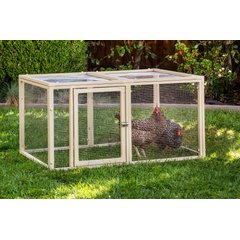
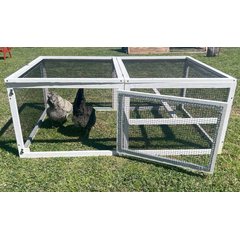
Each bird needs at least 8 cubic feet of space, so if you plan to keep multiple birds in one enclosure, make sure you size it accordingly.
Even though button quail birds mostly stay on the ground, they should have a cage that’s large enough to allow them to fly short distances. When in doubt, always get the largest habitat you can.
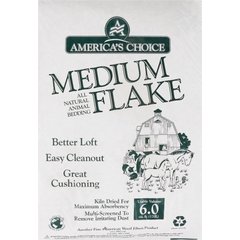
Line the solid bottom of the cage with paper-based bedding, grass hay, or pine shavings.
Recommended Products
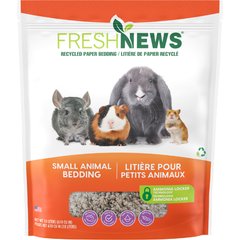
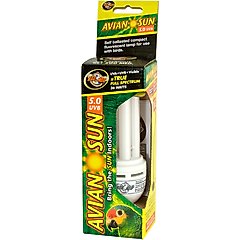
Button quails prefer average household temperatures no higher than 80 F. If your area’s climate and weather permit, you can house your quail outside. Birds need UV light to produce vitamin D, which they can get outdoors. If you must keep your bird indoors, provide a UV lamp shining for 10–12 hours per day.
Recommended Product
Add a couple of hideout spots, including both homemade and commercially made ones.
Recommended Product
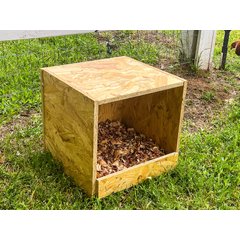
If using homemade options like cardboard boxes or plastic flowerpots, make sure the edges are smooth so your bird doesn’t get injured.
You can also add non-toxic potted plants, both real and artificial.
Include a few toys for foraging and entertainment.
Recommended Products
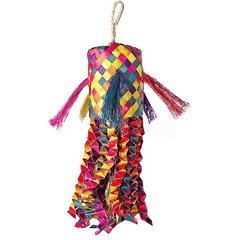
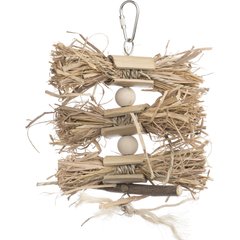
Your bird needs regular enrichment to avoid becoming bored, which can lead to harmful habits.
Food and water dishes should be 1–2 inches off the bottom of the cage so droppings don’t get in them.
Recommended Products
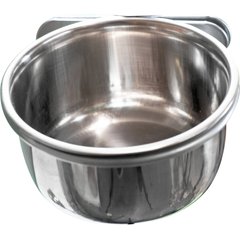
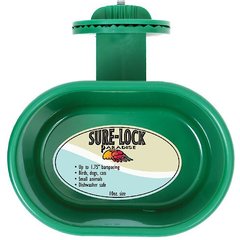
Wash dishes daily to prevent bacterial growth.
Cleaning and Maintenance
Spot-clean the cage daily by removing old food and soiled materials.
Thoroughly clean your bird’s cage weekly by removing old bedding, then washing the cage and accessories with a mild detergent.
Let the cage completely dry before placing in new bedding, clean accessories, and food and water dishes.
What Do Button Quail Birds Eat?
Button quail birds should eat high-quality pelleted food as their main source of nutrition.
Recommended Product

You can supplement their meals with fruits, vegetables, and live food sources such as mealworms and small roaches.
Your bird should always have clean, fresh water available.
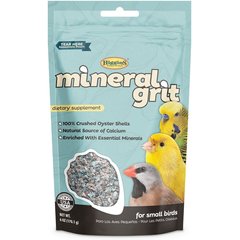
You can also feed your female bird digestible (soluble) grit, like crushed oyster shells, for extra calcium to help with strong egg production. Both males and females can also have indigestible grit, but give it in small quantities, not as a main source of nutrition.
Recommended Product
How To Hold a Button Quail
Most button quail are skittish and reluctant to be held.
If your button quail allows you to hold them, make sure to hold them firmly and cradle their full body in your hands to provide support. Aim to hold them as close to the ground as possible to prevent any injuries if they fall.
Button Quail Health
Button quail birds don’t need water baths. Instead, they take dust baths to remove oil and buildup in their feathers. You can add a small, shallow container of bird-safe dust so they can take dust baths regularly.
Recommended Product
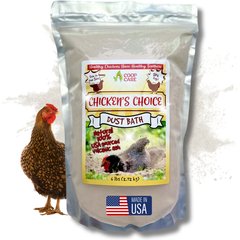
Take your button quail to the veterinarian once a year for their checkup. Pay attention to your bird and note signs of a healthy bird, like:
- Regular vocalization
- Social attitude
- Clear eyes
- Clean nostrils
- Intact feathers
- Full range of motion in both wings
Call your vet if you notice anything out of the ordinary, like:
- Discharge from eyes or nose
- Overgrown or fractured beak
- Constantly fluffed feathers
- Droppings abnormal in color or consistency
- Regurgitated food or loss of appetite
- Constant hiding
- Mites or other parasites
- Rapid breathing, wheezing, or sneezing
- Feather plucking or bleeding feathers
It’s important to reach out to your bird’s veterinarian right away, as some of these issues may be signs of a serious problem.
Pet Button Quail Supply Checklist
- Appropriately sized habitat and bedding
- Food and water dishes
- High-quality game bird food
- Treats
- Indigestible and digestible grit
- Hideaway boxes and toys
- Dust and dust bath dish
FAQs About Button Quail
Is a button quail a good pet?
A button quail can make a great pet, but you may need extra patience and care to properly socialize your bird.
How big do full-grown button quails get?
Fully grown, button quails are 4–5 inches long.
What is the average button quail lifespan?
With proper care, your pet button quail can live 4 years or longer.
Click here for a printable PDF version of this care sheet!
Attributions