Bird Eye Problems and Injuries: Signs, Common Causes, and Treatments


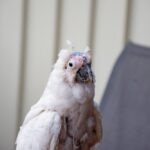
Photo by Chewy
Eye problems such as infection or injury in a pet bird can show up in behaviors like squinting, frequent blinking, light sensitivity, or rubbing their face with their wing. If your feathered friend is having eye issues, their eyes may be red, swollen, cloudy, or discolored.
These are just some of the many signs that can point to eye irritation, generally referred to by vets as conjunctivitis—which is a symptom rather than a single disease that can affect parakeets, cockatoos, finches, house finches, parrots and songbirds.
Here’s what to know about the most common bird eye problems that cause conjunctivitis. Ultimately, a visit to your vet is the only way to pinpoint its cause and the best course of treatment.
Key Takeaways
- Signs of a bird eye problem may include squinting, frequent blinking, face rubbing, swollen or red eyes, discharge, facial swelling, light sensitivity, and cloudy or glassy eyes.
- Vets refer to all bird eye problems using the term conjunctivitis, which refers to any type of inflammation around the eye area.
- Common causes of bird eye problems include corneal injury, infection, mites, cataracts, or the presence of a foreign object in their eye.
- Your vet needs to assess your pet bird and their eyes before recommending an appropriate treatment.
Signs of Eye Irritation (aka Conjunctivitis)
- Swollen, red eyes
- Eye or nostril discharge
- Facial swelling
- Light sensitivity
- Cloudy or glassy eyes
- Swollen eyelids
- Blinking
- Inability to find their perch
- Rubbing or scratching at their eyes
- Closed eyes
- Squinting
- Crusty eyes
- Listlessness
Don’t forget—while many people think conjunctivitis is a disorder, it’s actually just a catch-all term for a series of symptoms.
“In animal land, whether it’s bird, cat, dog, whatever, ‘conjunctivitis’ is just a fancy name for inflammation of the eyelids,” explains Dr. Laurie Hess, DVM, an avian veterinarian at Veterinary Center for Birds & Exotics in Bedford Hills, New York. “It’s not a single disease. It’s a sign of disease.”
Common Bird Eye Disorders
Hundreds of eye diseases and disorders can cause avian conjunctivitis, which again, is a symptom of a more significant issue. These are some of the more common ones.
1. Presence of a Foreign Object
Seed husks, millet seeds or feathers lodged in the eye can all be culprits. Your bird will rub and scratch at their eyes, exacerbating the problem and potentially causing an infection. Birds are also sensitive to anything that’s aerosolized. “Perfumes, cleaning agents and anything sprayed in the air irritates not only their eyes but also their respiratory systems,” Dr. Hess says.
2. Corneal Trauma
Corneal trauma is an injury. Foreign bodies, flying into something, laceration or puncture from claws, and falling can cause corneal trauma. If untreated, it can lead to blindness.
3. Infection
Many systemic infections can manifest as eye infections—birds can get viral, bacterial and fungal infections just like we do.
- Psittacosis: A particularly troublesome bacterial infection is parrot fever—psittacosis—because it can spread to humans from infected birds via inhalation of infected dried feces. It’s commonly carried by stressed-out smaller birds like parakeets and cockatiels. Symptoms of psittacosis in birds include eye or nose discharge, poor appetite, ruffled appearance, green or yellow-green droppings, and loose droppings, though they can shed (expel) the disease without any symptoms. In humans, look out for fever, muscle pains and a cough.
- Sinus infection: Swollen eyes or eye and nostril discharge can often indicate bacterial, viral or fungal sinusitis, especially if your feathered friend sneezes a lot.
- Salmonellosis: Salmonella can infect all bird species, particularly wild birds. Typical symptoms—such as yellowish-green droppings, dermatitis and a generally unkempt appearance—will be present well before the eyes develop conjunctivitis.
4. Mites
Maybe your bird has bird mites, such as scaly mites, which are parasites that cause skin lesions. Your infected bird rubs their beak, itchy and irritated by the microscopic parasites, and their eyes get caught in the melee. Conjunctivitis and inflamed eyelids follow.
5. Cataracts
Aging, genetics, infection, trauma, diabetes and vitamin E deficiency can all cause an increase in lens opacity. Cataracts show up as cloudy or white pupils, making it difficult for your bird to see. Canaries often have cataracts; parrots are less likely to have them.
Treatment of Bird Eye Problems
If your pet bird is showing signs of an eye problem, visit your veterinarian as soon as possible—they’ll be able to tell you what part of the eye is affected and prescribe the appropriate treatment. A visit to the vet is even more critical if other symptoms such as appetite loss, lethargy, sneezing, coughing, or trouble breathing are present.
“It’s important to have a vet assess the whole bird. You might need oral antibiotics,” Dr. Hess says.
Depending on the root cause, treatment may include:
- Topical antibiotic eye drops
- Oral or topical anti-inflammatory medication
- Oral antiparasitic medication or antibiotics
In theory, cataract surgery can be done on birds if needed, but Dr. Hess says it’s important to weigh the possible risks and benefits. She strongly recommends going to a specialized veterinarian who is trained and certified for such a delicate procedure. Many pet birds can live with cataracts without major problems, especially if it doesn’t affect daily activities, like eating.
In addition to any treatment, you’ll want to keep sick birds isolated from cage mates so the infection doesn’t spread.
If your bird is mildly squinting in one eye and you think they have something in their eye, you can flush your bird’s eye with unmedicated, plain saline. Assuming your bird lets you, gently open their eye and drop in sterile, preservative-free saline from the pharmacy. If the problem persists for more than a day after the saline flush, spreads to both eyes, or any other symptoms are present, see a vet.
If caught early, your bird can likely make a full recovery after a full-round of appropriate veterinary treatment. Although, it’s not always easy to tell if your pet bird is sick. After all, they are masters at hiding illness. Learn about the general signs that may indicate your pet bird is not feeling their best.
FAQs About Bird Eye Problems
What are the signs of eye problems in birds?
Signs of eye irritation in your pet bird can include squinting, frequent blinking, rubbing the face, swollen face or eyelid or eyes, red eyes, eye or nostril discharge, facial swelling, light sensitivity, and cloudy or glassy eyes.
Your bird may also have difficulty finding their perch and seem listless. Only a visit to the vet can help determine the cause and the best course of treatment.
What causes eye irritation, known as conjunctivitis, in birds?
Common causes of eye irritation or injury in pet birds include the presence of a foreign object in their eye (such as seed husks or feathers), corneal injury, infection, mites, and cataracts. Aerosolized irritants such as perfumes and cleaning agents can also irritate a bird’s eyes.
When should I take my bird to the vet for an eye problem?
Contact your vet as soon as possible if your bird shows signs of an eye problem, infection, or injury—and especially if symptoms include appetite loss, lethargy, sneezing, coughing, or trouble breathing.
Can I use home remedies to treat a pet bird’s eye infection?
No, you can’t treat a bird eye infection or injury with home remedies. A veterinarian must examine your pet bird’s eyes and assess their overall health to determine the cause of their eye irritation before prescribing an appropriate treatment.
Attributions