Do Birds Sneeze?


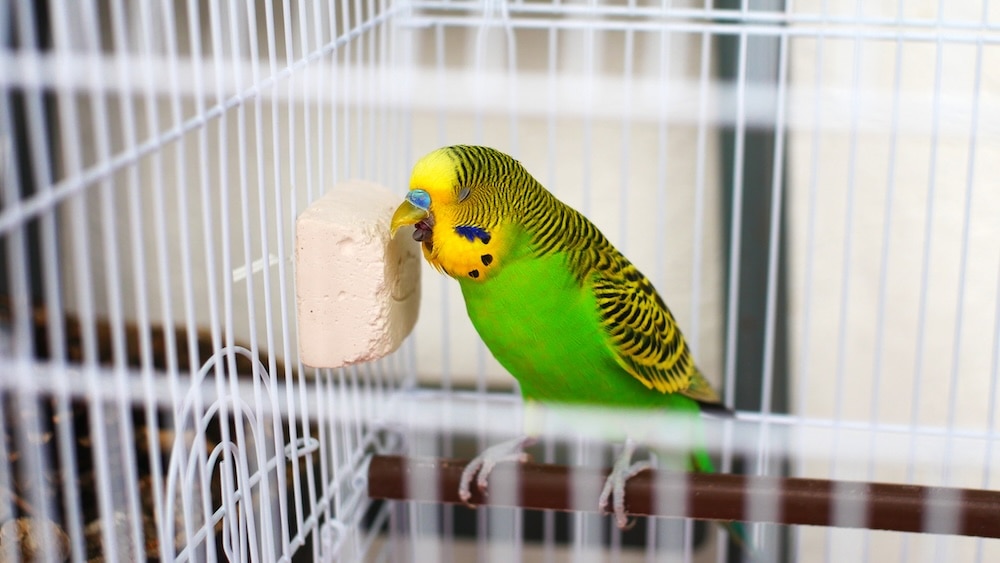
Photo by Stockah/iStock/Getty Images Plus
If you’ve ever noticed your pet bird making a tiny “achoo” sound or shaking their head after eating, you may have wondered: Do birds sneeze? The answer is yes. Just like humans, birds sneeze, and in most cases, it’s a perfectly normal part of keeping their respiratory system clean.
Birds sneeze to clear dust, feather particles, food debris, and other irritants from their nasal passages. However, frequent or persistent sneezing might indicate an underlying health problem that requires veterinary attention.
In this article, we’ll explain why birds sneeze, when it’s considered normal, and the signs that may indicate your feathered friend needs medical care.
Key Takeaways
- Birds do sneeze, and it's usually normal. Occasional sneezing helps clear dust, feather particles, food debris, and other irritants from their nasal passages.
- Dusty cages, feather dander, dry air, smoke, perfumes, and cleaning chemicals can trigger sneezing in birds.
- Frequent sneezing may indicate a health problem.
- Regular cage cleaning, good ventilation, proper humidity, and avoiding airborne irritants can support your bird's respiratory health and reduce unnecessary sneezing.
Do Birds Sneeze?
Yes, birds sneeze as a natural reflex to remove irritants from their respiratory tract. Although bird sneezes may look or sound different from human sneezes, they serve the same essential purpose: keeping the airways clear.
Birds breathe through small openings on their beaks called nares, which connect to a highly efficient respiratory system. When dust, tiny food particles, or other debris enter these passages, a sneeze helps expel them.
Unlike humans, birds don’t have a diaphragm, so their sneezes are often much quieter and may simply appear as a quick head shake or brief puff of air.
Why Do Birds Sneeze?
Occasional sneezing is usually harmless and may happen for several reasons.
Dust and Feather Particles
Birds naturally produce feather dust, especially species such as cockatiels, cockatoos, and African Greys. During preening or molting, tiny particles can enter the nostrils and trigger a sneeze.
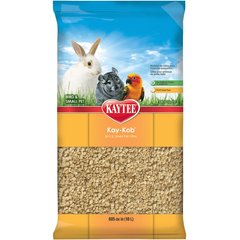
Dusty cages, seed hulls, and bedding materials can also irritate the nasal passages. It’s best to use cage liners or paper-based bedding in your bird’s habitat.
Recommended Products

Dry Air and Environmental Irritants
Indoor air quality plays a major role in a bird’s respiratory health. Common irritants include:
- Cigarette smoke
- Aerosol sprays
- Perfumes
- Air fresheners
- Cleaning chemicals
- Smoke from cooking
Dry indoor air can also irritate sensitive nasal tissues, making sneezing more frequent.
Food and Water
Some birds sneeze immediately after eating or drinking. Tiny food particles or droplets of water may briefly enter the nasal passages, triggering a quick sneeze to clear them.
This occasional behavior is generally nothing to worry about.
When Is Bird Sneezing a Sign of Illness?
While occasional sneezing is harmless, repeated sneezing may indicate a respiratory problem.
Respiratory Infections
Birds can develop bacterial, viral, or fungal respiratory infections. These illnesses often cause inflammation of the nasal passages and air sacs, leading to frequent sneezing.
Because birds tend to hide signs of illness until they’re seriously sick, it’s important to recognize changes early.
Nasal Discharge
Healthy birds shouldn’t have mucus or discharge around their nares.
Contact an avian veterinarian if you notice:
- Clear or cloudy nasal discharge
- Thick mucus
- Crust around the nares
- Wet feathers around the face
These symptoms may indicate infection or inflammation.
Other Warning Signs
Sneezing becomes more concerning when it’s accompanied by:
- Wheezing or clicking sounds while breathing
- Labored breathing
- Tail bobbing
- Open-mouth breathing
- Puffy or fluffed feathers
- Loss of appetite
- Lethargy
- Weight loss
- Watery eyes
These symptoms warrant prompt veterinary evaluation.
What Should You Do If Your Bird Keeps Sneezing?
If your bird begins sneezing more often than usual, start by checking their environment.
Clean the cage thoroughly to remove dust, old food, and feather debris. Replace dirty cage liners regularly and wash food and water dishes every day.
Recommended Products


Improve air quality by avoiding smoke, scented candles, aerosol sprays, and strong household cleaners.
Maintaining moderate humidity can also help reduce irritation, especially during winter when indoor air tends to be dry.
Observe your bird for 24–48 hours. If sneezing continues or other symptoms develop, schedule an appointment with an avian veterinarian. Early treatment significantly improves outcomes for many respiratory illnesses.
How To Prevent Sneezing in Pet Birds
Although you can’t eliminate every sneeze, you can reduce unnecessary irritation by providing a healthy environment.
Here are a few preventive tips:
- Clean the cage regularly.
- Remove dusty seed hulls and debris daily.
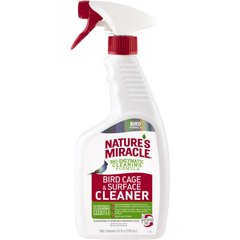
- Use bird-safe cleaning products.
Recommended Product
- Avoid cigarette smoke, kitchen fumes, and scented sprays.
- Provide a balanced, nutritious diet.
- Ensure good ventilation without exposing your bird to drafts.
- Schedule routine wellness exams with an avian veterinarian.
Good care is one of the best ways to support your bird’s respiratory health.
So do birds sneeze? Absolutely. Sneezing is a normal reflex that helps birds keep their nasal passages clear of dust, food particles, and other irritants.
In most cases, an occasional sneeze is nothing to worry about. However, frequent sneezing—especially when combined with nasal discharge, breathing difficulties, or changes in behavior—can signal an underlying health issue that requires veterinary care.
By maintaining a clean environment, minimizing airborne irritants, and monitoring your bird for unusual symptoms, you can help keep your feathered companion healthy and breathing comfortably.
FAQs About Bird Sneezing
Can birds catch a cold?
Birds don’t catch the common cold that affects humans, but they can develop respiratory infections caused by bacteria, viruses, fungi, or parasites.
Why does my parrot sneeze after eating?
Small food particles or droplets of water can enter the nasal passages while eating or drinking. A quick sneeze afterward is usually normal.
Should I worry if my bird sneezes once in a while?
No. A single sneeze without any other symptoms is generally considered normal and helps clear the nasal passages.
Can dusty bird seed cause sneezing?
Yes. Dusty seed mixes, feather dust, and dirty cages are common environmental triggers for occasional sneezing in birds.
Attributions
This article was created with assistance from AI tools. The content has been reviewed for accuracy and edited by a human.