African Grey Parrot Care Sheet


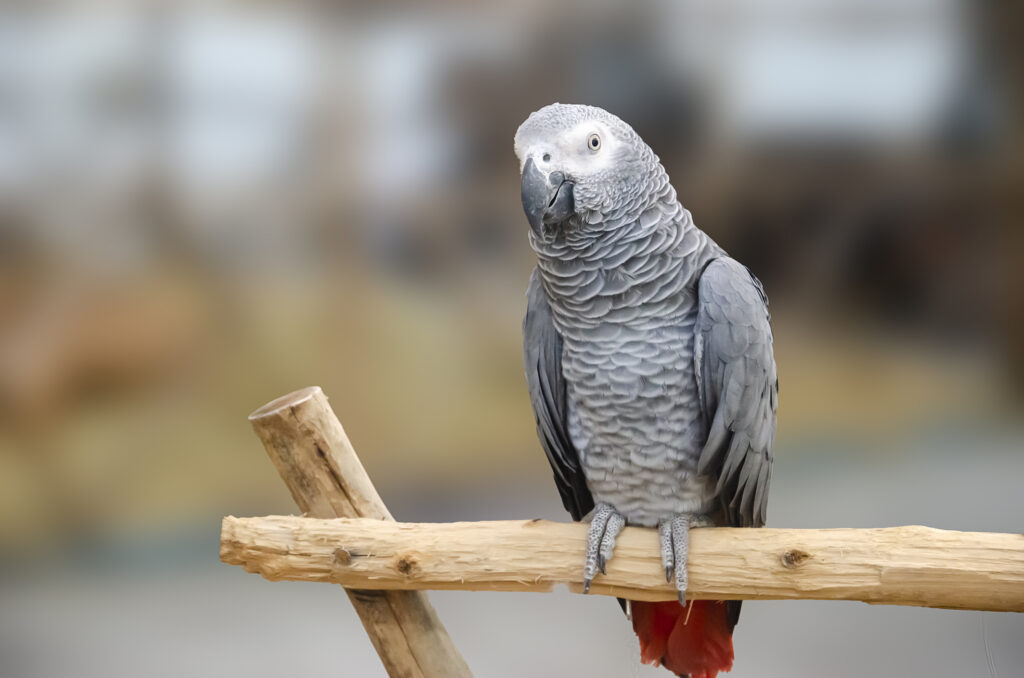
Photo by Witsanu Patipatamak/iStock/Getty Images Plus
The African Grey is one of the most talkative parrot species, and one of the most intelligent birds you can keep as a pet. If you’re thinking about getting an African Grey parrot or have recently gotten one, here’s everything you need to know to give them a long, healthy life.
African Grey Parrot Overview
- African Grey parrots bond closely with their humans, but are not recommended for new or beginner bird owners due to their high social needs.
- These birds mature quickly and develop strong personalities with a witty sense of humor.
- African Greys can live 30 to 50 years, and pet parents often pass them down to their children and grandchildren.
Fun Facts About African Grey Parrots
- These birds are very talkative; they can learn hundreds of words and mimic human sounds.
- Some African Grey parrots can tell jokes and speak foreign languages.
- African Grey parrots don’t just mimic words, they comprehend meaning.
African Grey Parrot Cage Setup
Get a cage for your African Grey parrot that’s about 40 x 30 x 60 inches. The space between the bars should be no larger than ¾-inch so your parrot doesn’t escape or get stuck.
Avoid homemade cages and opt for commercially sold enclosures made of stainless steel or powder-coated metal that’s safe for birds.
Recommended Products
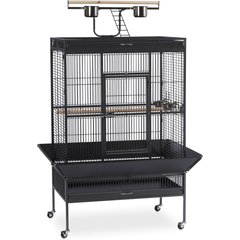
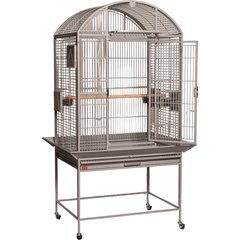
Whenever you can, give your African Grey parrot the largest habitat possible.
Put the cage in an active part of your home that gets a lot of foot traffic, but away from the other pets and the kitchen (birds are highly sensitive to cooking fumes). Birds are also highly sensitive to plug-in air fresheners.
Cages should be off the floor in a draft-free, well-lit area. Keep household temperatures between 65–80 F.
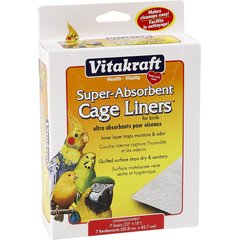
The cage should have a removable metal grate so droppings and food waste will fall to the bottom and your parrot won’t step on them. Line the tray base with paper-based bedding or habitat paper.
Recommended Product
Supplement your bird’s UV light exposure by installing a full-spectrum UV light to run 10–12 hours every day.
Recommended Product
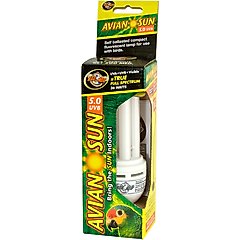
Lights should be 12–18 inches from the highest perch.
Place a few perches of varying sizes and materials throughout the cage.
Recommended Products
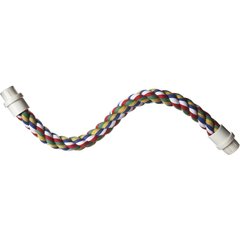
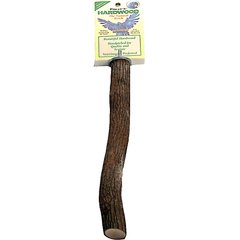
African Grey parrots need perches that are no more than 2½ inches in diameter. If perches are too wide, your bird won’t be able to grip them properly and may fall and injure themselves.
Use natural branches or perches made of braided rope, wood, or concrete. Never place perches above food and water bowls, as droppings could fall into them.
Have an assortment of toys for your African Grey parrot, and regularly rotate them so your bird won’t get bored. These parrots don’t deal well with change, so only introduce new toys one at a time.
Recommended Products
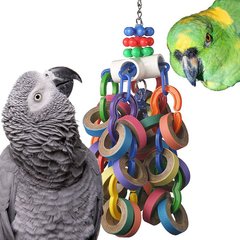
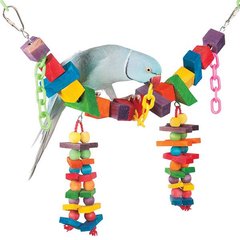
Provide toys made of various materials, including cardboard, wood, paper, or hard plastic.
Your parrot needs to forage often, so having foraging toys is also important.
Cleaning and Maintenance
Spot-clean your bird’s cage every day by removing discarded food and soiled material. Thoroughly wash food and water bowls every day. Remove and replace habitat liners or litter once a week.
When deep-cleaning your bird cage, start by moving your parrot to a safe location like a travel cage or another secure enclosure. Remove and discard the old litter or habitat liner. Remove perches, toys, bowls, and accessories, and discard worn or damaged items.
Clean the cage with a bird habitat cleaner or a 3% bleach solution. Use the same cleaner on toys and accessories.
Recommended Product
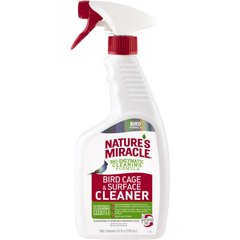
Thoroughly rinse the cage and accessories until you can no longer smell the cleaning agent. Let everything completely dry before putting in new litter or habitat liner. Then put back the toys, accessories, and your bird.
African Grey Parrot Diet
Your pet needs three bowls: one for dry food, one for fresh food, and one for water. The water dish should be large enough for them to bathe in.
Feed your African Grey parrot high-quality fortified pelleted bird food. Pelleted food should make up 60–70% of your bird’s diet, with the other 30% consisting of fresh fruits, vegetables, and grains.
Recommended Products
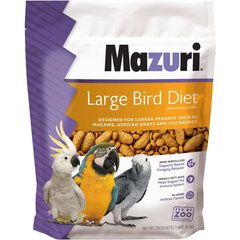
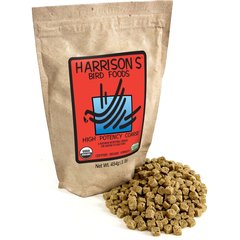
These birds can eat sweet potatoes, berries, broccoli, melons, papaya, dark leafy greens, and bell peppers. Fortified seeds and millet can also be given as a treat.
Recommended Product
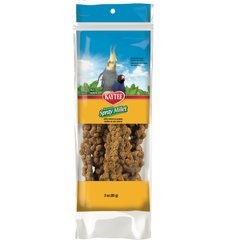
Give table food in limited quantities, making up no more than 5% of your bird’s diet. Avoid toxic foods like avocados, chocolate, caffeine, alcohol, and fruit seeds.
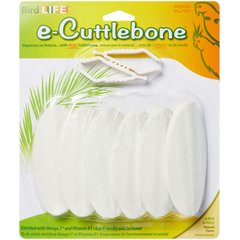
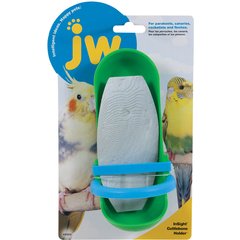
African Grey parrots can peck at and chew on cuttlebones as a calcium supplement to help keep their beak, nails, and feathers strong. Keep the cuttlebone in a holder so debris doesn’t fall outside the cage.
Recommended Products
How To Hold an African Grey
African Grey parrots enjoy spending time with their humans and socializing. Thoroughly wash your hands before and after holding your pet.
Before handling, pay close attention to your bird’s behavior. If they have pinned eyes or flared tail feathers, your bird may not want to be held at that moment. Your bird may nip when confused or excited, and with their large beak, these bites can cause serious injury.
Don’t yell or hit your bird in retaliation for biting. Doing so shows them you are giving attention to their bad behavior. Instead, put the bird down in their cage and walk away. This time-out tells your bird that their behavior won’t bring them attention.
African Grey Parrot Health
A healthy African Grey parrot should have a boisterous, talkative, and social attitude. Their beaks should be intact and symmetrical, and they should have full range of motion in both wings.
Take your African Grey parrot to the vet at least once a year for a checkup. You might also need to visit a vet if you notice anything out of the ordinary with your bird, such as eye or nasal discharge, an overgrown or fractured beak, or loss of appetite.
If your bird is vomiting, limping, or constantly fluffing their feathers, these might be signs of a larger issue, so call your vet right away.
African Grey Supply Checklist
Before bringing your African Grey parrot home, make sure you have all their supplies ready to go, including:
- Appropriately sized habitat
- Habitat paper or paper litter
- Food and water bowls
- High-quality parrot food
- Cuttlebones and holders
- Treats
- A variety of toys and perches
- Spray bottle mister
- Play gym
FAQs About African Grey Parrots
Is an African Grey parrot a good pet?
The African Grey is a great pet for experienced bird owners who have the space for these large parrots. They are loving and affectionate toward their humans, and require daily attention and interaction.
How long do African Greys live?
African Grey parrots can live 30–50 years or longer with proper care.
How big do African Grey parrots get?
African Grey parrots can grow to 9–16 inches, depending on the species. Congo African Greys are larger than Timneh African Greys.
Can African Grey parrots talk?
Yes, African Grey parrots can talk. These birds have a wide vocabulary, learning hundreds of words as well as jokes and foreign languages.
Click here for a printable PDF version of this care sheet!
Attributions