Small Hookbill Care Sheet


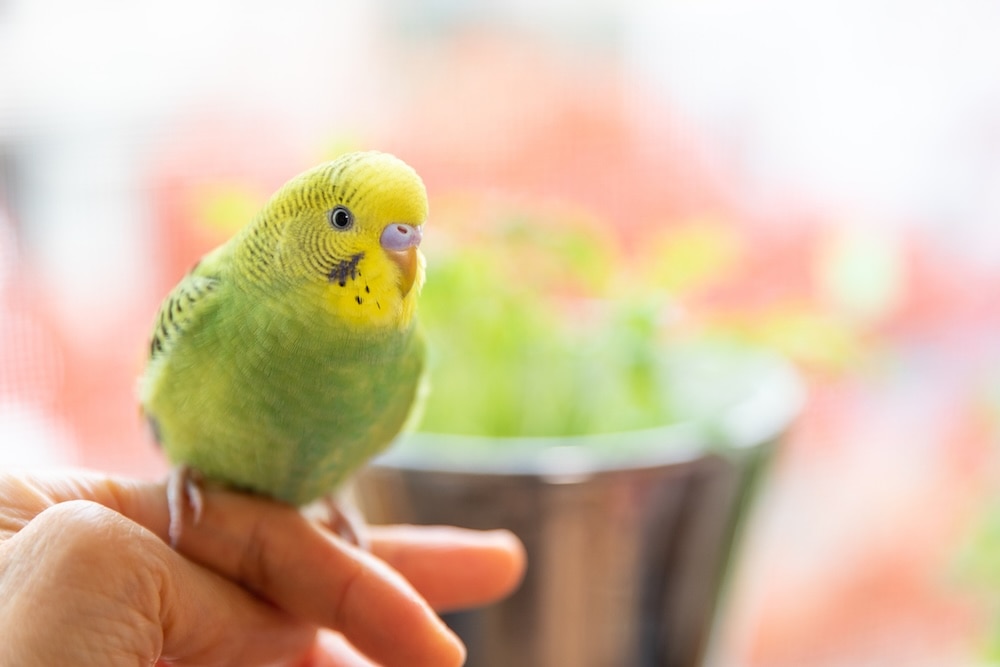
Photo by kumikomini/iStock/Getty Images Plus
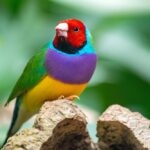
Small hookbills are part of a diverse group of parrots loved for their intelligence, personality, and manageable size. These birds are active and social creatures who want to be part of the family. Many live 10 to 25 years, thriving with good care, a healthy diet, and plenty of daily interaction.
Small Hookbill Overview
Fun Facts About Small Hookbills
- Complex puzzles are no match for small hookbills’ intelligence and curiosity—they can figure them out.
- Their agile feet have two toes in front and two in back, giving them an excellent grip for climbing and foraging.
- Small hookbills can see ultraviolet light, which makes their brilliant plumage look much different through their eyes.
Small Hookbill Habitat
Select your small hookbill’s enclosure based on the size they’ll be as an adult. A bigger habitat is always better, but make sure your hookbill can at least stretch, comfortably flap their wings, climb, and explore.
The minimum enclosure size varies by species, but you should always choose the largest enclosure possible.
Recommended Products
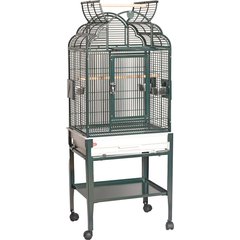

Small hookbills need at least:
- Length: 24–36 inches
- Width: 18–24 inches
- Height: 20–36 inches
Bar spacing should be no more than ½-inch (up to 5/8-inch acceptable for lovebirds).
Place your hookbill’s enclosure away from the kitchen so their sensitive lungs can be safe from kitchen fumes. Additionally, the fumes from nonstick cookware containing PTFE/Teflon are toxic to birds, so it’s best to avoid using those products entirely.
These intelligent, curious birds are sometimes escape artists. They can use their tongues and beaks to work latches, so a secure lock is a must.
Add a cage liner or paper-based bedding to the bottom of the cage.
Recommended Products
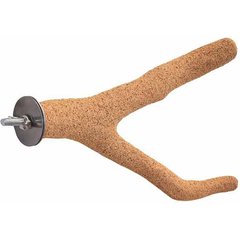
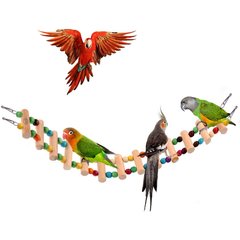
Your small hookbill will benefit from having ladders, perches of various materials and diameters, and ropes. They are excellent climbers and thrive in habitats with plenty of things to discover.
Recommended Products
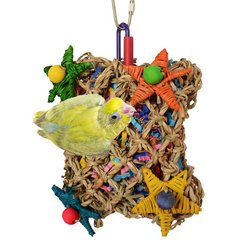
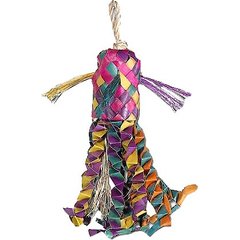
Hookbills also need a good selection of bird-safe toys that you can rotate. These birds thrive on variety; you want enough toys to keep them engaged and busy.
Recommended Products
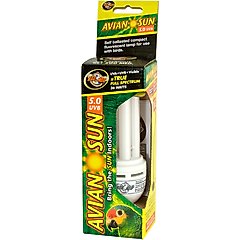
You should also add a UV light for your bird if your bird does not otherwise spend (supervised) time outside. Pet birds need UV lighting to help their bodies produce calcium.
Recommended Product
Small Hookbill Diet
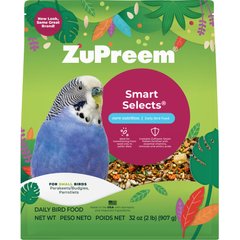
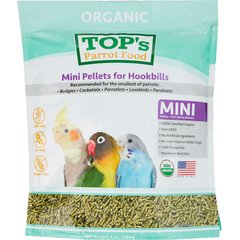
Hookbills need a varied diet that includes high-quality pellets, seeds, veggies, and fruits.
For most species, a nutritionally complete pelleted food can make up 60–70% of their diet, while fruits and vegetables should make up no more than 30%. Seeds and treats can be given in limited amounts, totaling no more than 10% of their total diet.
Recommended Products
Safe fruits and vegetables include:
- Berries
- Melons
- Papaya
- Cooked sweet potatoes
- Bell peppers
- Kale
- Carrots
- Broccoli
- Pea pods
- Figs
- Mango
- Dark greens
Remove uneaten fresh food after two or three hours and change their water daily to ensure it’s fresh and clean at all times.
Note: Never feed avocados, onions, garlic, chocolate, caffeine, alcohol, or fruit pits because they can be fatal.
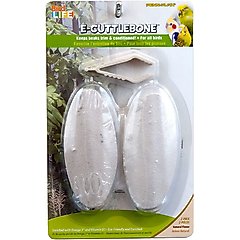
For calcium support, you can also offer your bird cuttlebones or add powdered calcium to their food. Calcium is essential for healthy bones and feathers, as well as helping maintain high energy levels.
Recommended Product
Small Hookbill Handling
Daily gentle handling helps teach your hookbill that you are safe to be around. Learn how your hookbill communicates so you can give them space when they are not interested in interaction and give them extra attention when they want it.
Flock animals like small hookbills need daily social interaction, so a solo bird will need a few hours per day of engagement with you.
While most parrots shouldn’t be housed together to avoid territorial conflicts, lovebirds benefit from having a friend. When kept alone, they require consistent and frequent daily interaction to remain well-adjusted; therefore, many avian experts recommend keeping them in pairs.
- Start with calm sessions near the cage, without forcing physical contact.
- Offer treats through the bars so your hookbill learns to associate you with good things.
- Teach “Step up”—hold a finger to their lower chest, wait until they climb onto your finger, and reward them with a treat.
- Keep initial excursions outside of their cage to a smaller bird-proofed room for your pet’s safety.
- Never grab or chase your bird—you’ll lose their trust and can injure them.
- Turn off ceiling fans before handling a bird outside their cage.
Approaching Your Small Hookbill
When approaching your hookbill, be aware of their body language. Generally, a bird who wants to be held will look calm, have a relaxed posture, and may even move toward you.
If your hookbill isn’t interested in being held, they’ll display clear warning signs like lunging or head-bobbing toward you, flaring their tail feathers, or pinning their eyes (constricting and dilating the pupils). Other signs include:
- Growling, hissing, or screaming
- Stiffened body posture
- Attempting to escape or squirm away
- Beak-licking or yawning (stress signs)
Small Hookbill Health
Your hookbill should see their veterinarian once per year. When you take them, use a carrier that you can cover as needed, and bring photos of their enclosure, toys, food, and other supplies to show the vet. The more information your vet has about their home environment, the better they can help you keep your small hookbill healthy.
A healthy small hookbill has a bright, social attitude with species-appropriate vocalizations. Their eyes are bright and clear and they have clean nostrils and a symmetrical beak that closes properly. They should also have clean feet and feathers and consistent droppings.
It’s time to call the vet if you notice eye discharge or swelling, nasal discharge, or breathing problems. Other reasons to call your bird’s vet include:
- Overgrown beak or breaks in the beak
- Feather plucking, bleeding feathers, or uneven feather growth
- Open sores, lumps, regurgitation, or head tilt
- Abnormal droppings
- Unusually quiet
- Nasal discharge
Birds are especially sensitive to the fumes produced by scented candles, incense, air fresheners, and cookware with nonstick coatings like Teflon. Many pet parents choose to forgo these items to protect their feathered friends’ lungs.
Also dangerous to small hookbills are toys and habitat parts made with lead, zinc, galvanized metal, and lead-based paints. Because birds explore everything with their mouths, they can ingest small amounts of toxic substances that can lead to serious medical issues or death.
Supply Checklist for Small Hookbills
Before you bring home your new feathered friend, be sure to have their habitat set up with all necessary supplies:
- Appropriately sized cage
- High-quality small hookbill food
- Treats
- Cuttlebone, millet, and holders
- Perches in different diameters and materials, such as natural wood and rope
- Play gym with ladders and other climbing opportunities
- Cage tray and paper liners or paper-based bedding
- Mineral block and holder
- Full-spectrum UV lighting or supervised outdoor time for 10–12 hours per day
- Selection of bird-safe toys that you rotate regularly
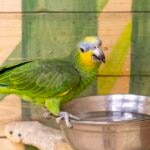
- Water dish big enough for them to bathe in
- Food dishes (one for fresh food and one for dry food)
- Misting spray bottle for baths
FAQs About Small Hookbills
What is a small hookbill?
Small hookbills are parrots with strong hooked beaks, such as parakeets/budgies, parrotlets, and lovebirds. Parakeets are from Australia, parrotlets are from Central and South America, and lovebirds are from Africa.
Is a parakeet a hookbill?
Yes! Parakeets are hookbills because they have a strong, curved beak that they use to break open hard seed shells.
Attributions