Lovebird Care Sheet


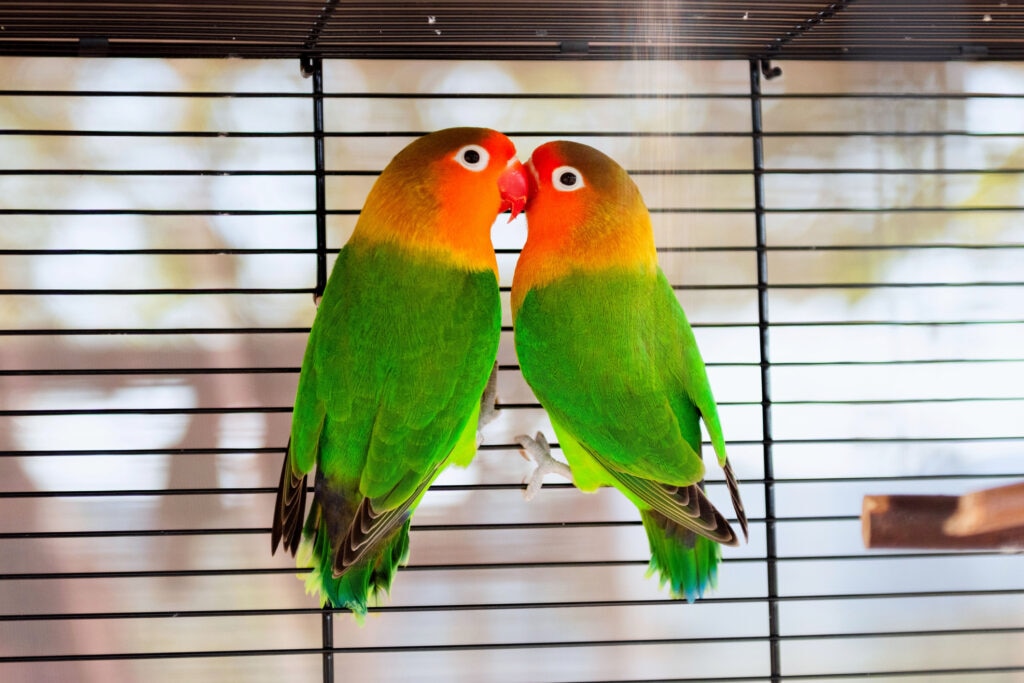
Photo by yoh4nn/iStock/Getty Images Plus
Lovebirds are small birds in the parrot family, and they come in various colors. They make wonderful pets, and with proper care, lovebirds can live 10 to 15 years.
Lovebird Overview
- Even though lovebirds are part of the parrot family, they aren’t talkative.
- Lovebirds exhibit unique communication, using sounds to communicate with each other.
- These birds require a lot of attention; regular socialization helps them avoid becoming aggressive toward you, themselves, or other birds.
Fun Facts About Lovebirds
- Lovebirds thrive together; keep them in pairs or groups.
- Lovebirds get their name from the bonds they form with each other.
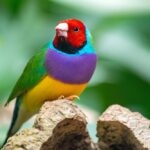
- They are brightly colored birds, with variations in colors such as blue, orange, and green.
Lovebird Cage Requirements
Lovebirds need a cage that’s large enough for them to stretch and move around comfortably. Get a cage that’s at least 20 x 20 x 30 inches for a single lovebird. If you have more birds housed together, size up accordingly. The larger, the better.
Recommended Product
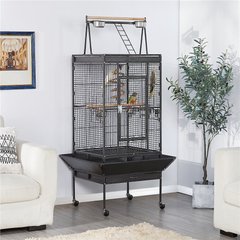
The space between the bars should be no wider than 1/2 inch so the birds won’t be able to escape or hurt themselves. Keep temperatures between 65–80 F and try to avoid significant temperature swings.
Keep the cage away from drafts, ceiling fans, direct sunlight, and the kitchen. Place it in a warm, bright spot off the floor and in a busy place where your bird will see a lot of action.
Avoid using candles and plug-in air fresheners near your lovebird.
Line the cage with newspaper, paper towels, or paper bags cut to size. Add high and low perches of different diameters to help maintain healthy feet, with one on the same level as water and food bowls.
Recommended Products
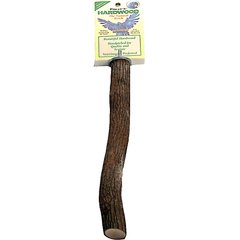
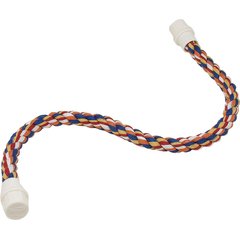
Perches should be natural branches, wood, braided rope, or concrete. Avoid sandpaper and gravel-coated perches and perch covers, as these can harm your bird’s feet. Don’t place perches above food and water bowls, since droppings could land in them.
Lovebirds should have various toys for mental and physical stimulation. Since they need daily exercise and play, rotate their toys regularly and allow your bird to forage for food.
Recommended Products
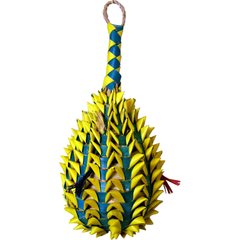
Include toys made from paper, soft wood, or cardboard, as these won’t harm your bird if ingested. Avoid mirrors and bells as cage furniture.
Lovebirds are very social and thrive when in couples or groups. If you have just one lovebird, they may form a close bond with you. But these birds do best when they get a lot of attention and affection from their own kind.
Maintenance
Spot-clean your lovebird’s cage and thoroughly wash food and water bowls every day to prevent bacteria. Remove any old or uneaten food and soiled materials.
Thoroughly clean your bird’s cage weekly. While cleaning, move your bird to a secure environment, such as another cage or a travel cage.
Follow these steps to clean your bird’s cage:
- Remove and discard the lining.
- Wash your bird’s toys, perches, and food and water bowls with warm water and soap or a bird habitat cleaner.
- Use a disinfectant solution or bird habitat cleaner to thoroughly wash the cage.
Recommended Products
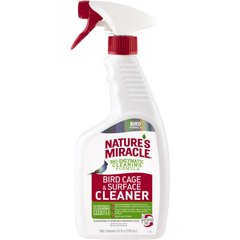
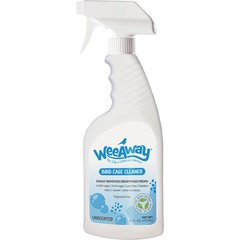
4. Rinse the cage well and allow it to dry completely before moving your bird back in, along with a new cage liner and the clean toys, perches, and bowls.
5. Replace toys and perches when they get severely worn or damaged.
What Do Lovebirds Eat?
Lovebirds should eat high-quality pelleted bird food for 60% to 70% of their diet.
Recommended Products
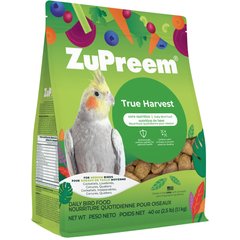
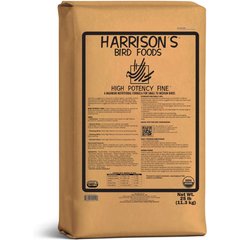
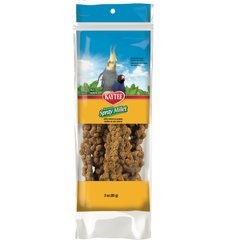
You can also add fruits and veggies, such as dark leafy greens, broccoli, apples, and nuts. Avoid foods like avocados, apple seeds, and cherry pits. Seeds are fine as treats, but they shouldn’t make up more than 10% of the diet.
Put dry food and fresh food in separate bowls. If you have more than one bird, each should get their own set of food and water bowls.
Recommended Product
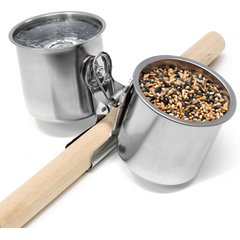
Your bird must always have access to drinking water. You can also provide a large water bowl at times for your bird to bathe in. Make sure to remove the bowl from the cage after your bird finishes bathing, and clean it properly.
Recommended Product
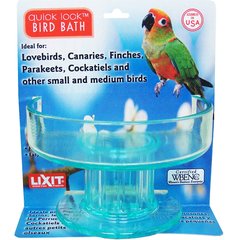
Never feed your bird any food from your mouth, as microorganisms can cause your lovebird to get sick.
How To Hold a Lovebird
It could take a while before your lovebird trusts you. Spend some time talking to your bird every day. Once your bird is comfortable around you, start taming them by using a wooden dowel.
Offer a treat and gently push the dowel into their belly, above their feet, to encourage them to step up onto it. Once your bird shows that they’re comfortable with the dowel, you can substitute it with your finger or palm.
Lovebird Health
Your lovebird should visit the vet annually for a checkup. Bring your bird in a travel cage like this one from Prevue.
Recommended Product
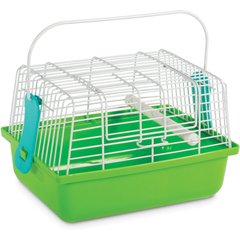
Take photos of their environment, including their cage and food, to show the vet.
Signs of a healthy bird include:
- A bright, social attitude and normal vocalizations
- Clean eyes and nostrils
- Clean, bright feathers and vent
- Full range of motion of wings
Keep an eye out for unusual behavior or distress, including:
- Eye or nasal discharge
- Rapid breathing, wheezing, or sneezing
- Abnormal droppings
- Regurgitation, loss of appetite, or sour odor from mouth
- Constantly fluffed feathers
- Sores or lumps
- Beak abnormalities
- Limping or not using a wing
If you notice anything out of the ordinary, contact your vet right away.
Lovebird Supply Checklist
- Appropriately sized habitat based on how many birds you’ll keep in one cage
- High-quality pelleted lovebird food and treats
- Millet spray and holder
- Cuttlebone and holder
- Cage liner, bird-safe bedding, newspaper, paper towels, or cardboard
- Food and water bowls
- Various perches and toys
- Bird bath and play gym
- Mister spray bottle
- Nail clippers and styptic powder
FAQs
What is a lovebird?
A lovebird is a small bird in the parrot family. They generally reach about 5 to 7 inches tall and between 40–50 grams.
Are lovebirds good pets?
Lovebirds are great pets but might require more work to care for them compared to other types of pets.
How long do lovebirds live?
With proper care, lovebirds can live between 10–15 years.
Do lovebirds talk?
These birds don’t talk like other parrots, and they scream to communicate with other lovebirds.
Are lovebirds loud?
These birds can get loud, especially when communicating with each other.
Click here for a printable PDF version of this care sheet!
Attributions