Bird-Safe Cookware: What Pans Are Safe for Pet Birds?

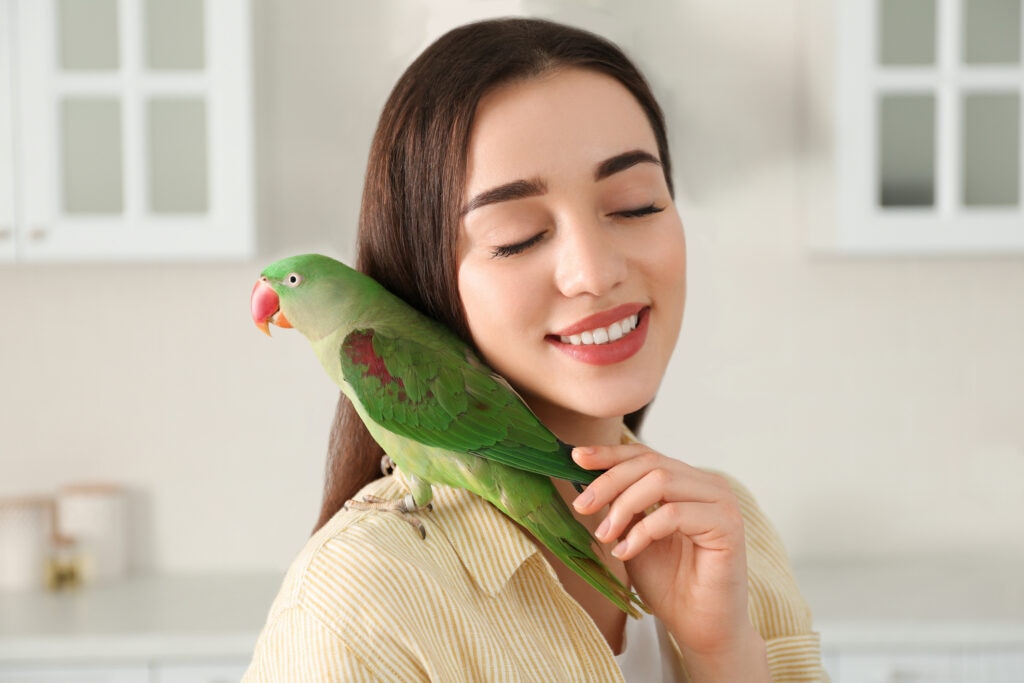
Photo by Liudmila Chernetska/iStock/Getty Images Plus
If you share your home with a bird, your kitchen setup matters more than you might think. Birds have incredibly sensitive respiratory systems, and certain types of cookware can release fumes that are harmless to humans but dangerous or even fatal to pet birds.
Understanding which cookware is bird-safe and which materials to avoid can help you create a safer home environment for your feathered companion.
Key Takeaways
- Birds have highly sensitive respiratory systems, and fumes from overheated PTFE (Teflon) nonstick cookware can cause rapid, life-threatening respiratory distress.
- Traditional nonstick pans and other heat-producing appliances may contain PTFE—even if labeled “PFOA-free”—so bird owners should look specifically for PTFE-free products.
- Safer cookware options for homes with birds include stainless steel, cast iron, and verified PTFE-free ceramic, glass, or stoneware.
- Preventing exposure by improving ventilation, avoiding high-heat cooking, and keeping birds out of the kitchen area during cooking is essential for protecting their health.
Why Are Birds So Sensitive to Cookware Fumes?
Birds have a highly efficient respiratory system made up of nares, lungs, and multiple air sacs. This system allows them to extract oxygen more effectively than mammals, but it also makes them more vulnerable to airborne toxins.
When certain nonstick cookware overheats, it can release invisible fumes from a chemical called PTFE (polytetrafluoroethylene). PTFE is commonly used in traditional nonstick coatings, often referred to by the brand name Teflon.
While these fumes may not noticeably affect humans, they can cause severe respiratory distress in birds within minutes. This condition is sometimes referred to as Teflon poisoning or PTFE toxicity.
Because birds’ airways are so delicate, prevention is critical.
What Cookware Is Dangerous for Birds?
Nonstick Cookware (PTFE or Teflon-Coated Pans)
Traditional nonstick pans are the biggest concern in homes with birds. When overheated—especially above 500 F—PTFE coatings can break down and release toxic fumes.
Common items that may contain PTFE include:
- Frying pans and saucepans
- Waffle makers and sandwich presses
- Air fryers
- Rice cookers
- Drip trays
- Self-cleaning ovens
Even briefly preheating an empty nonstick pan can cause temperatures to spike quickly.
“PFOA-Free” Doesn’t Always Mean Bird-Safe
Many cookware brands advertise products as PFOA-free, which can be confusing. PFOA (perfluorooctanoic acid) is a chemical previously used in manufacturing nonstick coatings, but it is not the same as PTFE.
A pan labeled “PFOA-free” may still contain PTFE. For bird owners, the key phrase to look for is PTFE-free, not just PFOA-free.
Other Hidden Household Sources
Cookware isn’t the only potential risk factor. Other household items may also contain nonstick coatings, including:
- Space heaters
- Heat lamps
- Hair styling tools
- Iron soleplates
- Drip pans in ovens
If a product heats up and advertises a nonstick surface, it’s worth checking its materials.
What Cookware Is Safe for Birds?
Fortunately, there are many non-toxic cookware options that are safe to use around pet birds.
Stainless Steel
Stainless steel cookware is one of the safest and most versatile choices for bird owners. It contains no chemical nonstick coatings and can handle high temperatures without releasing toxic fumes.
Look for high-quality stainless steel for even heating and durability.
Cast Iron
Traditional cast iron pans are naturally nonstick when properly seasoned, and contain no synthetic coatings. They’re long-lasting and safe for bird-friendly kitchens.
Keep in mind that cast iron requires regular maintenance to prevent rust.
Ceramic (PTFE-Free)
Ceramic cookware can be bird-safe only if it’s truly free of PTFE and other synthetic nonstick coatings. Some products labeled “ceramic-coated” still contain PTFE beneath the surface layer.
Always verify that ceramic cookware is specifically labeled PTFE-free.
Glass and Stoneware
Glass baking dishes and stoneware are safe options for oven cooking. These materials contain no chemical coatings and pose no fume risk when heated properly.
To be safe, confirm that cookware made of glass or stone is PTFE-free.
How To Choose Bird-Safe Cookware
When shopping for cookware that’s safe for birds, follow these guidelines:
- Read labels carefully for “PTFE-free” confirmation
- Avoid vague marketing phrases like “advanced nonstick technology”
- Research the manufacturer’s materials online
- Contact the company directly if the coating isn’t clearly stated
When in doubt, stainless steel and cast iron are reliable choices.
Signs of Teflon Poisoning in Birds
If a bird is exposed to overheated PTFE fumes, symptoms can appear suddenly and progress quickly.
Watch for:
- Open-mouth breathing
- Rapid or labored breathing
- Weakness or inability to perch
- Sneezing
- Lethargy
- Collapse
This is a veterinary emergency. If you suspect exposure, move your bird to fresh air immediately and contact an avian veterinarian right away.
Prompt treatment is critical by an avian veterinarian. Your bird may be placed in an oxygen chamber. If you suspect your bird has breathed toxic fumes, call your vet or the Pet Poison Helpline at 855-764-7661.
Kitchen Safety Tips for Bird Owners
In addition to switching to bird-safe cookware, these steps can help reduce risk:
Improve Ventilation
Use kitchen exhaust fans, and open windows when weather permits. Avoid cooking in poorly ventilated areas.
Never Preheat an Empty Pan
Empty pans can overheat rapidly—even stainless steel. Always add oil or food before heating.
Keep Birds Out of the Kitchen During Cooking
Even with safe cookware, it’s best to keep birds in a separate room while cooking. Physical separation reduces accidental exposure to smoke, steam, or unexpected fumes.
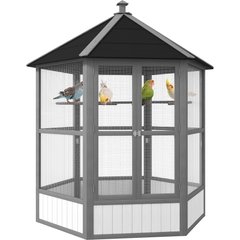
If weather allows, you can supervise your birds in an outdoor aviary, like this one from PawHut, if someone is cooking in the kitchen.
Recommended Product
Avoid Self-Cleaning Oven Cycles
Self-cleaning ovens reach extremely high temperatures and may release fumes from internal components. Never run a self-cleaning cycle while birds are in the home.
Bird-safe cookware is one of the simplest ways to protect your pet’s respiratory health. Because birds are uniquely sensitive to airborne toxins, even everyday kitchen items can pose hidden risks.
A quick kitchen audit can provide peace of mind.
Frequently Asked Questions About Bird-Safe Cookware
Can I use nonstick pans if I’m careful not to overheat them?
While some bird owners choose to use nonstick cookware cautiously, the safest approach is to eliminate PTFE-coated products entirely.
Are air fryers safe for birds?
Some air fryers contain PTFE-coated baskets. Check the manufacturer’s product specifications carefully before using one in a home with birds.
Is ceramic cookware always bird-safe?
Only if it is clearly labeled PTFE-free. Not all ceramic-coated cookware is free of synthetic nonstick layers.
Are slow cookers or pressure cookers safe?
Many models with stainless steel inner pots are safe. Avoid units with nonstick-coated inserts.
Attributions
This article was created with assistance from AI tools. The content has been reviewed for accuracy and edited by a human.