Why Is My Bird Sneezing? Causes, Symptoms, and Treatments


Photo by Chewy
If your pet bird is sounding a bit like Sneezapalooza, our vet experts share what symptoms to watch for, when to see an avian veterinarian, plus some short-term and long-term care options to help your feathered friend feel fine again.
Key Takeaways
- Many pet birds, particularly parrots, come from tropical, humid climates.
- Our climate-controlled homes can be too dry for many pet birds, especially parrots.
- Some causes for a bird sneezing include a too-dry environment, Vitamin A deficiency, or an infection.
- A vet visit is necessary if sneezing is chronic or persistent, or accompanied by audible breathing sounds, tail-bobbing, weight loss, nasal or eye discharge, or a change in vocalizations or eating habits.
- If a too-dry home is the cause, some remedies include adding a humidifier, air purifier, bird-safe plants, or regular sinus flushing to their care routine.
Causes and Symptoms
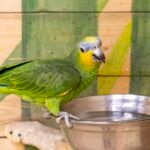
Most parrots come from tropical, humid climates. When kept indoors as pets, the heating and cooling systems designed to control your home’s indoor climate can dry out the air. Dry indoor air can cause your tropical bird’s nasal passages to dry out—which can lead your bird to sneeze.
But a pet bird may sneeze for a number of other reasons besides an environment that is too dry. Vitamin A deficiency or a bacterial, fungal, or viral infection can also cause sneezing and discharge from your bird’s nares.
A more serious problem that could cause damage to the nasal or sinus passages could be the case if audible breathing sounds, tail-bobbing, weight loss, nasal or eye discharge, or a change in vocalizations or eating habits accompany the sneezing.
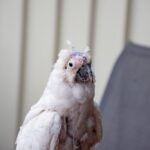
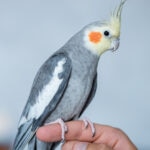
If a bird that is native to Central or South America is housed with or near a dusty bird—such as a cockatoo, cockatiel, African grey, or Eclectus—the dander from these birds can also cause them to sneeze.
Immediate Care
Some sneezing is normal and is likely due to a dry environment. If it becomes a chronic problem or nasal discharge accompanies your pet bird’s sneezing, a full vet check is necessary to determine if the problem may be due to some sort of respiratory infection.
Long-Term Care
If the vet tests determine that no disease or infection is the cause for the sneezing, here are several tips for improving your bird’s too-dry environment:
- Keep your bird in an adequately humid environment so the cilia in their nasal passages can work properly to clear debris.
- Try moving the bird into a room with a humidifier, but always keep the water clean to prevent bacteria from growing.
- Provide your bird with a sufficient amount of Vitamin-A, which also helps the nasal passages work properly.
- Take your bird into the bathroom while you shower, enveloping it in high humidity.
- Have your avian vet show you how to periodically flush your bird’s nostrils with sterile saline to remove debris or set up a regular appointment to have your vet perform the saline flushing.
- Place bird safe plants in your bird’s room, which will add oxygen and humidity to your pet’s environment.
- Periodically mist your bird to raise humidity in their environment.
- Reduce allergens by running an air purifier with HEPA filtration.
- Run a box fan with an air conditioner filter on the back to catch dust, dander, and feathers. This will increase the efficiency of the air filter, which will clean any additional allergens not caught by the fan.
Featured Image: By Ladymoonz/Shutterstock
FAQs About Sneezing Birds
Why is my bird sneezing?
Birds may sneeze for several reasons, including dry indoor air, Vitamin A deficiency, or a respiratory infection. While occasional sneezing can be normal, frequent sneezing or sneezing accompanied by other symptoms may indicate an underlying health issue.
Is it normal for parrots to sneeze?
Yes, occasional sneezing is normal in parrots and other pet birds. Sneezing helps clear dust and other irritants from their nasal passages. However, frequent sneezing may indicate that something in their environment is irritating their respiratory system. It’s always best to visit your vet to rule out an underlying health concern, like a respiratory infection.
Can dry air cause birds to sneeze?
Yes. Many pet birds, particularly parrots, originate from tropical climates with naturally high humidity. The air inside climate-controlled homes can be too dry for them, potentially irritating their respiratory systems and causing sneezing.
When should I take my bird to the vet for sneezing?
You should contact your avian veterinarian if your bird’s sneezing is accompanied by audible breathing sounds, tail-bobbing, weight loss, nasal or eye discharge, changes in vocalizations, or changes in eating habits. These symptoms may indicate a respiratory infection or another health problem that requires veterinary attention.
How can I help prevent my bird from sneezing?
If dry air is contributing to your bird’s sneezing, some ways to increase humidity in their environment include adding a humidifier or bird-safe plants. Taking them into the bathroom when you shower may also help support their need for humid air. You can also ask your avian veterinarian about incorporating regular sinus flushing into your bird’s care routine.
Attributions