10 Types of Parrots: A Complete Guide to Popular Pet Parrot Species

Photo by Slavica via Getty Images
Parrots are intelligent, social birds in the order Psittaciformes. They range from small species that can fit in the palm of your hand to large parrots that need substantial space, enrichment, and daily interaction.
This guide covers popular pet parrot types and compares their size, lifespan, personality, noise level, and care needs.
Key Takeaways
- Some parrots are loud and may not suit apartments or noise-sensitive households.
- Larger parrots need more space, larger enclosures, stronger toys, and more enrichment.
- Parrot personalities range from affectionate and playful to strong-willed and independent.
- Some parrots are gentler and more forgiving for beginners, while others require experienced caregivers.
How Many Birds Make Up the Parrot Family?
Parrots are birds classified within the class Aves and the order Psittaciformes. Unlike dogs and cats, which are commonly grouped by breeds, parrots are categorized by species. They have a long, storied history and exploded in popularity as pets in the 1970s.
So, how many species make up the parrot family? There are close to 400 parrot species, but there’s no single fixed number. Only a small number of parrot types are commonly kept as pets.
Most parrots have a strongly curved beak and zygodactyl feet (four toes with two pointing forward and two pointing back). Parrots are also known for their high intelligence, ability to mimic sounds, long lifespans, colorful plumage, and, of course, the ability to fly.
Popular Pet Parrot Types: At a Glance
| Species | Size | Lifespan | Mimicry Potential/Noise Level | Color(s) |
|---|---|---|---|---|
| Budgies | 7–9 inches | Up to 15 years | High mimicry potential/moderate noise, chatter | Green, blue, yellow, white |
| Cockatiels | 12–13 inches | Up to 25 years | Low mimicry potential/low noise, whistler | Gray, yellow, white |
| Green-cheeked conures | 10–14 inches | Up to 30 years | Low mimicry potential/high screech | Green, yellow, orange |
| Quaker parrots | 13 inches | Up to 30 years | High mimicry potential/moderate–high noise | Green, gray, blue |
| African greys | 13 inches | Up to 50 years | High mimicry potential/moderate noise, mimicry | Gray |
| Amazon parrots | 14 inches | Up to 50 years | High mimicry potential/high noise, singer | Green |
| Eclectus parrots | 14 inches | Up to 40 years | High mimicry potential/moderate noise | Green (males); red and blue/purple (females) |
| Cockatoos | 14 inches | Up to 60 years | Moderate mimicry potential; very high noise | White, gray, black, pink, yellow |
| Macaws | 16–40 inches | Up to 60 years | High mimicry potential/very high noise | Blue, gold, red, green, yellow |
| Lovebirds | 6 inches | Up to 20 years | Low mimicry potential/low noise, shrill | Orange, yellow, green, blue |
What Are the Best Parrots for Pets?
The best parrots for you depend on many factors, including the space available in your home, where you live, your lifestyle, and your commitment to training and interaction.
Here are the 10 most popular pet parrot species, along with their care and considerations.
1. Budgerigar, Budgie, or Parakeet
kumikomini via Getty Images
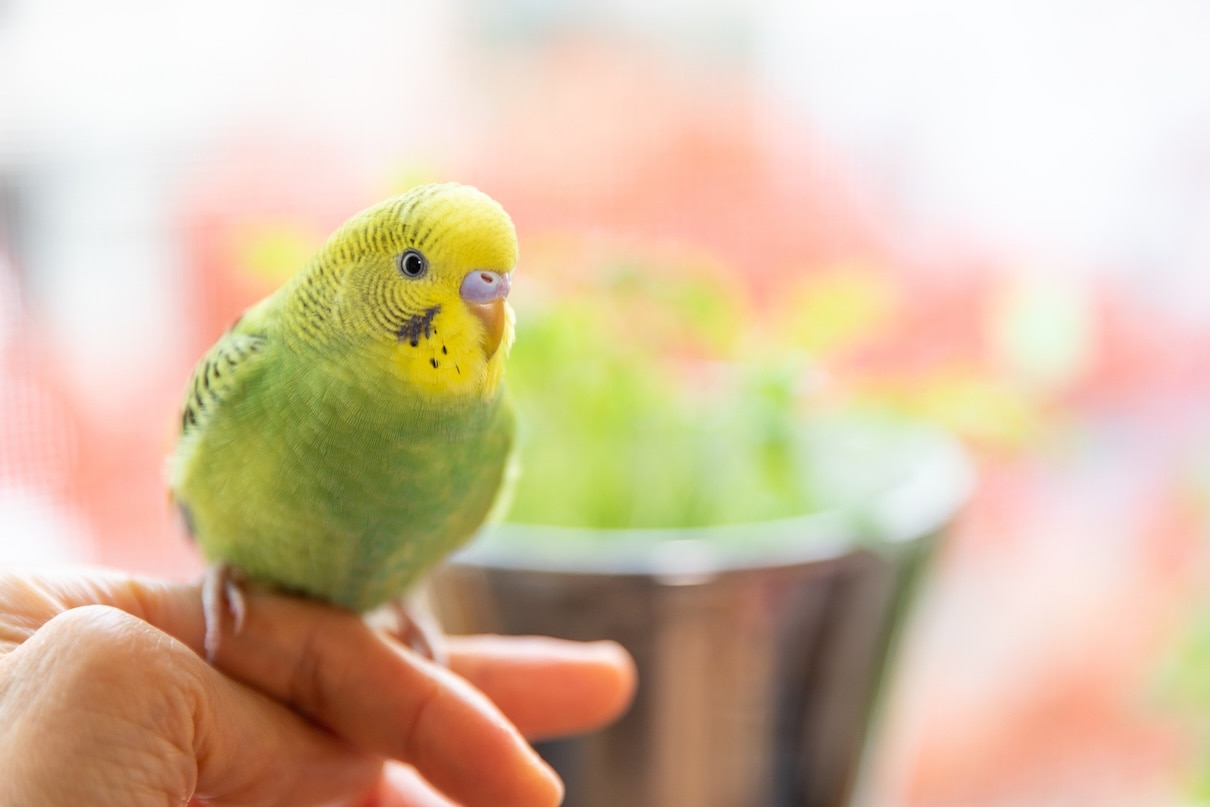
Also called a budgie or parakeet, the budgerigar is a small parrot native to Australia. Budgies are active, social, and vocal, and many enjoy toys they can toss, chew, and manipulate.
- Size: 7–9 inches
- Weight: 30–40 grams
- Lifespan: Up to 15 years
- Personality: Chatty, active
- Difficulty: Low
- Best for: Beginners, families, apartment living
2. Cockatiel
Oleksii Maznychenko via Getty Images
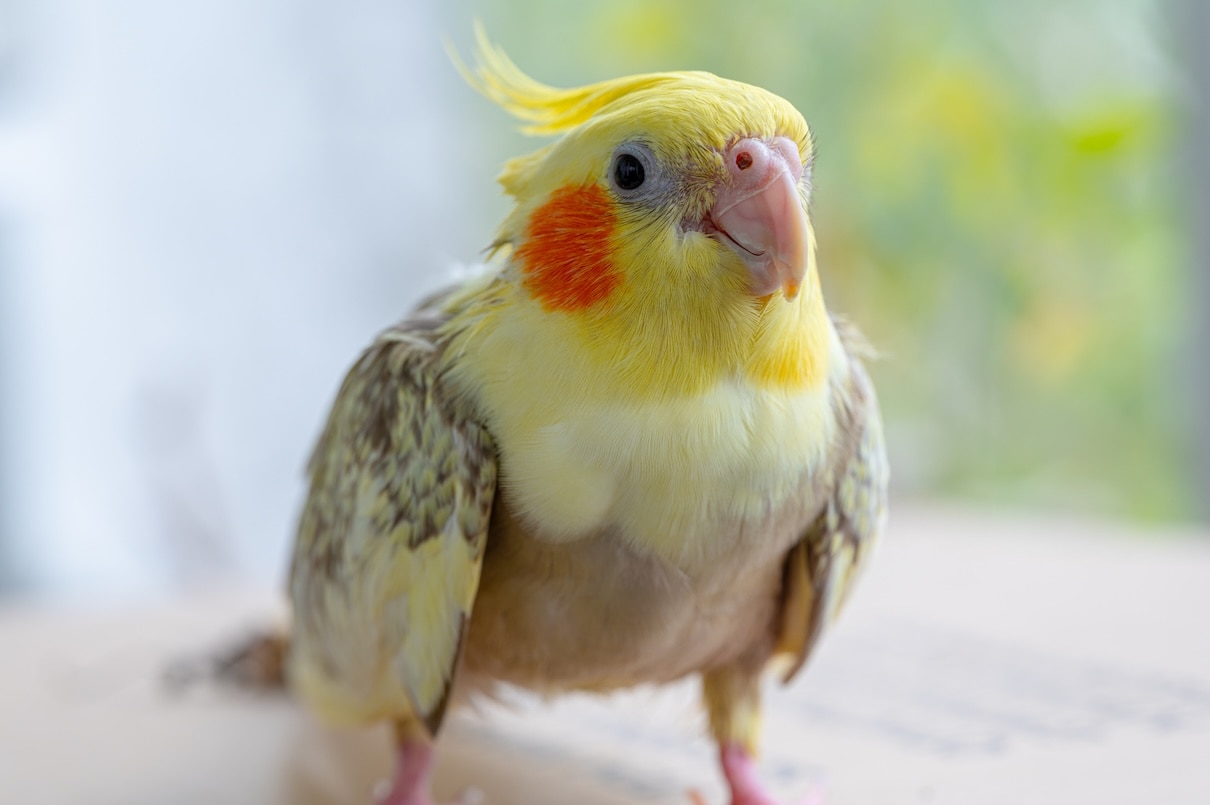
Cockatiels are popular pet parrots because they are generally social, curious, and relatively manageable for first-time bird caregivers. Many males whistle readily, but vocalization and affection vary by individual.
Their gentle reputation may make them a good fit for families that can supervise handling and provide daily interaction.
- Size: 12–13 inches
- Weight: 70–85 grams
- Lifespan: Up to 25 years
- Personality: Social, curious; individual temperaments vary
- Difficulty: Low
- Best for: Beginners, families, apartment living
3. Green-Cheeked Conure
Jack Tamrong via Getty Images
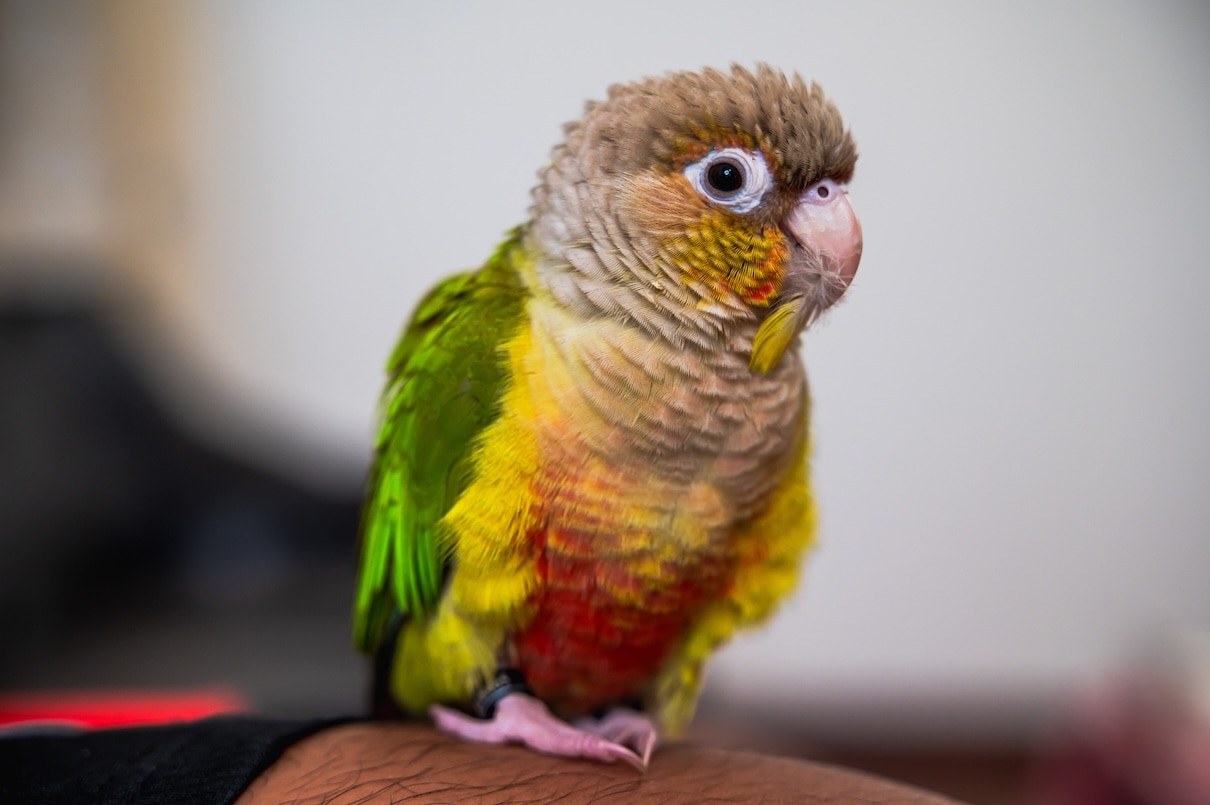
Green-cheeked conures are playful, active parrots that often use their small size to climb and perform acrobatics. They need daily out-of-cage time, regular interaction, and bird-safe chew toys.
They may fit smaller homes than larger parrots, but their calls can still be loud, so apartment suitability varies.
- Size: 10 inches
- Weight: 60–80 grams
- Lifespan: Up to 30 years
- Personality: Playful
- Difficulty: Low-to-moderate
- Best for: Beginners with active households able to provide daily interaction and enrichment
Recommended Products
4. Quaker Parrot or Monk Parakeet
Valeriy_G via Getty Images
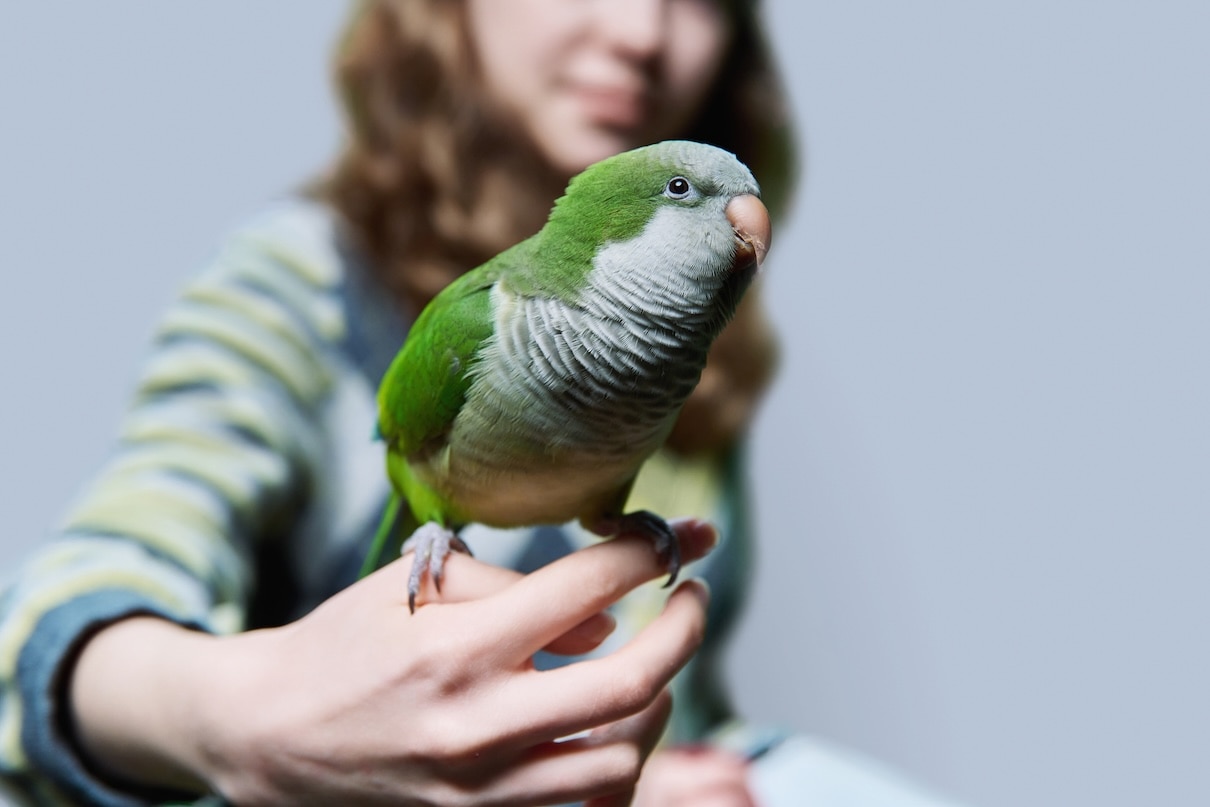
Quaker parrots, also called monk parakeets, can be vocal, social, and playful, with strong mimicry skills. They may collect household items or shred materials while attempting to build nests.
Ownership is restricted or prohibited in some locations, so check current state and local regulations before acquiring one.
- Size: 13 inches
- Weight: 90–150 grams
- Lifespan: Up to 30 years
- Personality: Social
- Difficulty: Low-to-moderate
- Best for: Households with time for training and enrichment, where ownership is legal
5. African Grey Parrot
Sviatlana Schoeffmann via Getty Images
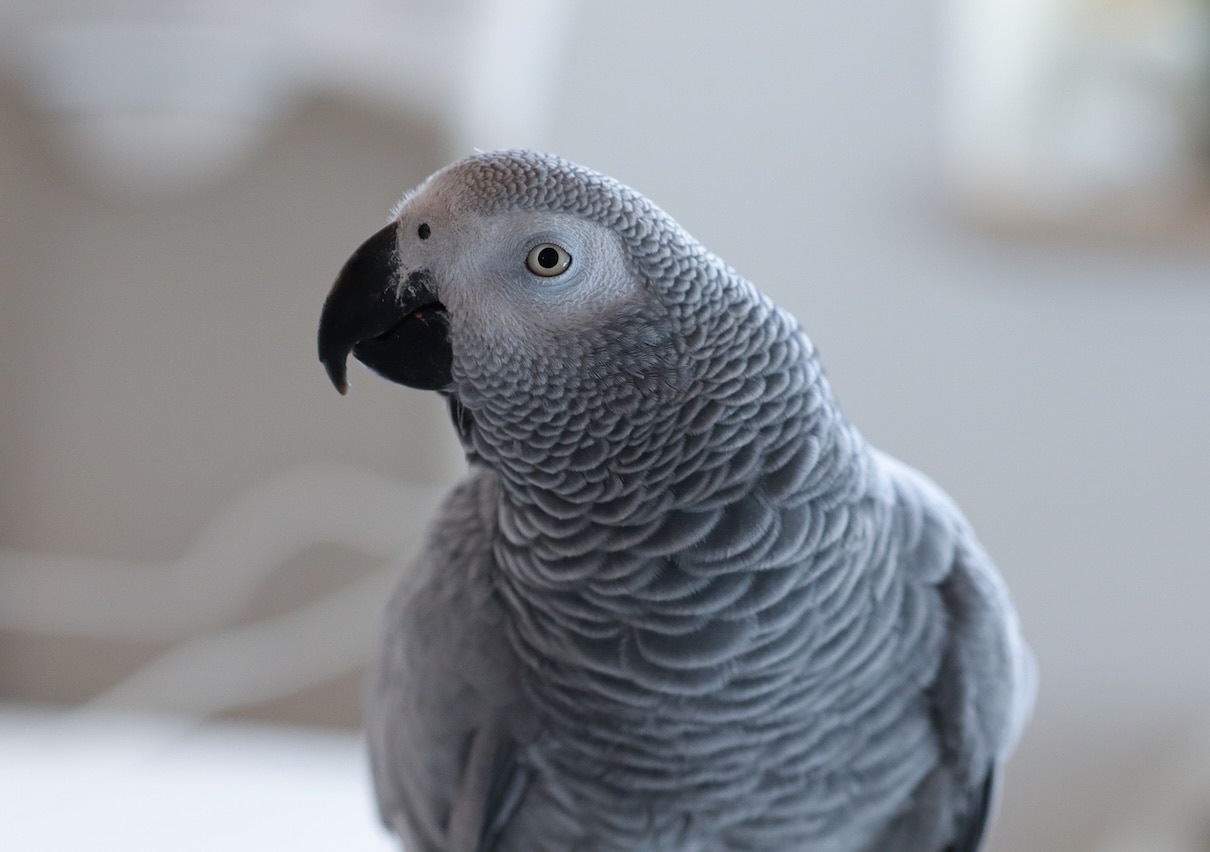
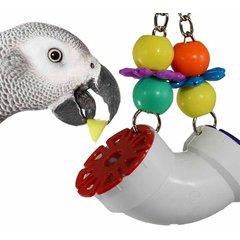
African grey parrots enchant with their remarkable ability to mimic speech and sounds.
These highly intelligent parrots thrive with meaningful interactions and opportunities to challenge their problem-solving skills via puzzle toys and foraging play.
- Size: 13 inches
- Weight: 400 grams
- Lifespan: Up to 60 years
- Personality: Intelligent, clever
- Difficulty: Moderate
- Best for: Experienced caregivers prepared for daily interaction and a decades-long commitment
Recommended Products

6. Amazon Parrot
digihelion via Getty Images
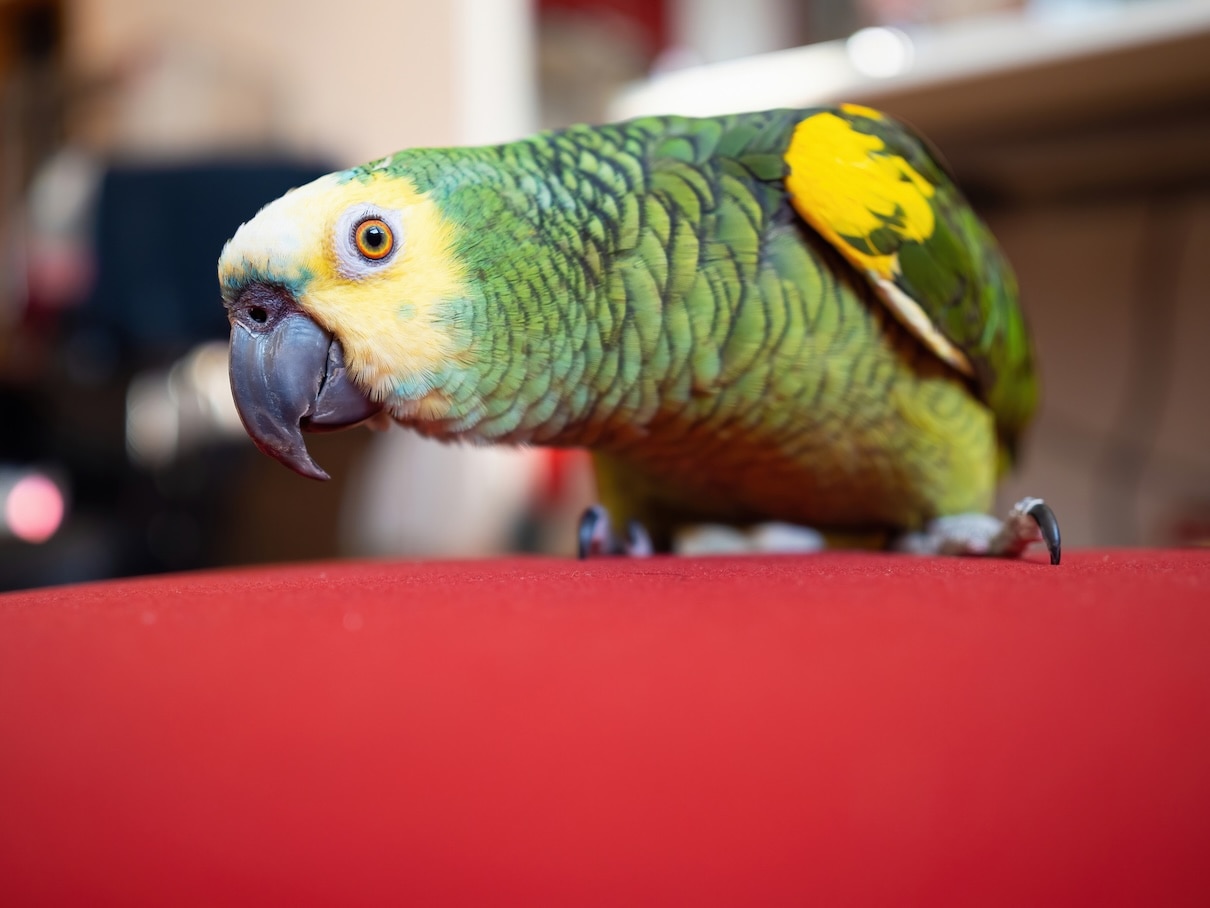
Amazon parrots have a reputation for being boisterous and bold. They like to be where the action is and are singers at heart, even hitting high opera notes with ease.
Some Amazons are prone to weight gain, so an avian veterinarian should guide their diet, exercise, and body condition.
- Size: 14–15 inches
- Weight: 340–600 grams
- Lifespan: Up to 50 years; some may live longer
- Personality: Boisterous
- Difficulty: Moderate-to-high
- Best for: Long-term commitment, experienced trainers, noise-tolerant housing
7. Eclectus Parrot
Ratchat via Getty Images
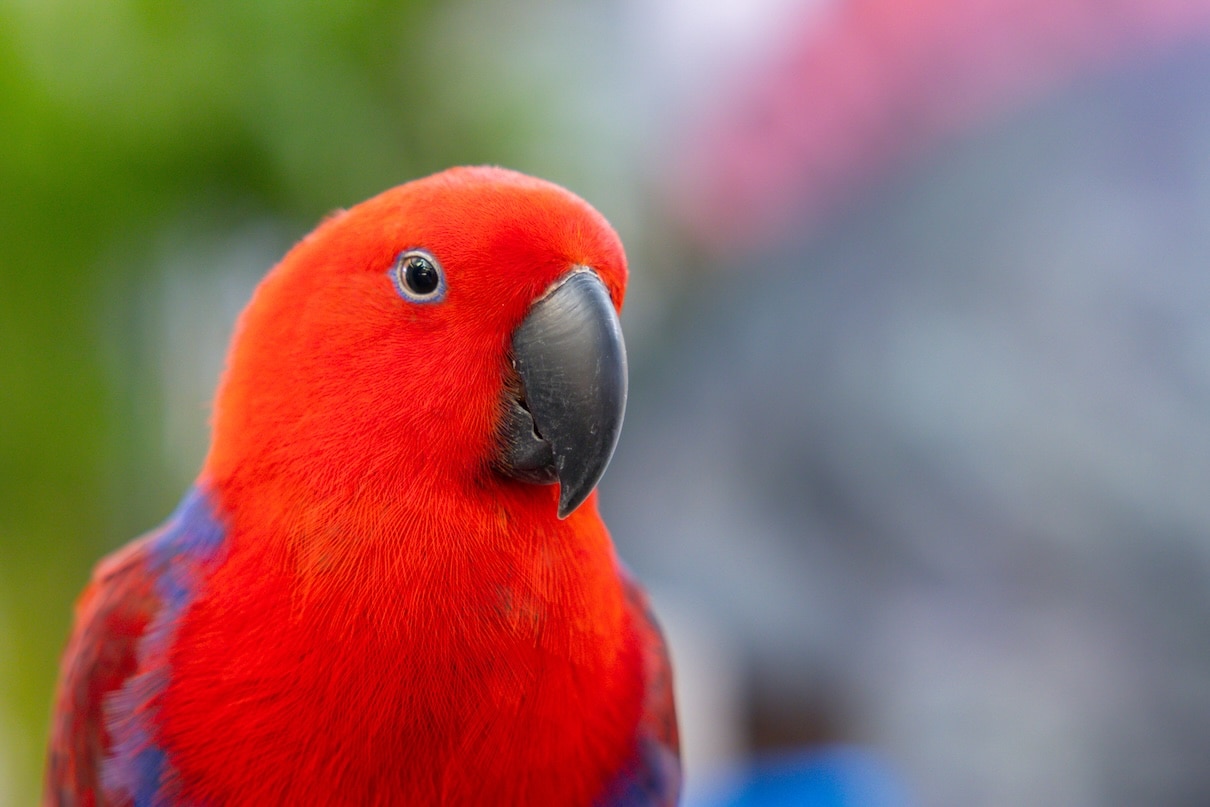
Eclectus parrots are one of the most visibly sexually dimorphic parrot groups. Males are usually green, while females are usually red with blue or purple coloring.
These talkative parrots often do best with a predictable routine, a calm environment, and varied enrichment. Temperament varies by individual.
- Size: 14 inches
- Weight: 375–550 grams
- Lifespan: Up to 40 years
- Personality: Observant and independent; individual temperaments vary
- Difficulty: Medium
- Best for: Long-term commitment, experienced trainers, not apartment-friendly
8. Cockatoo
burroblando via Getty Images
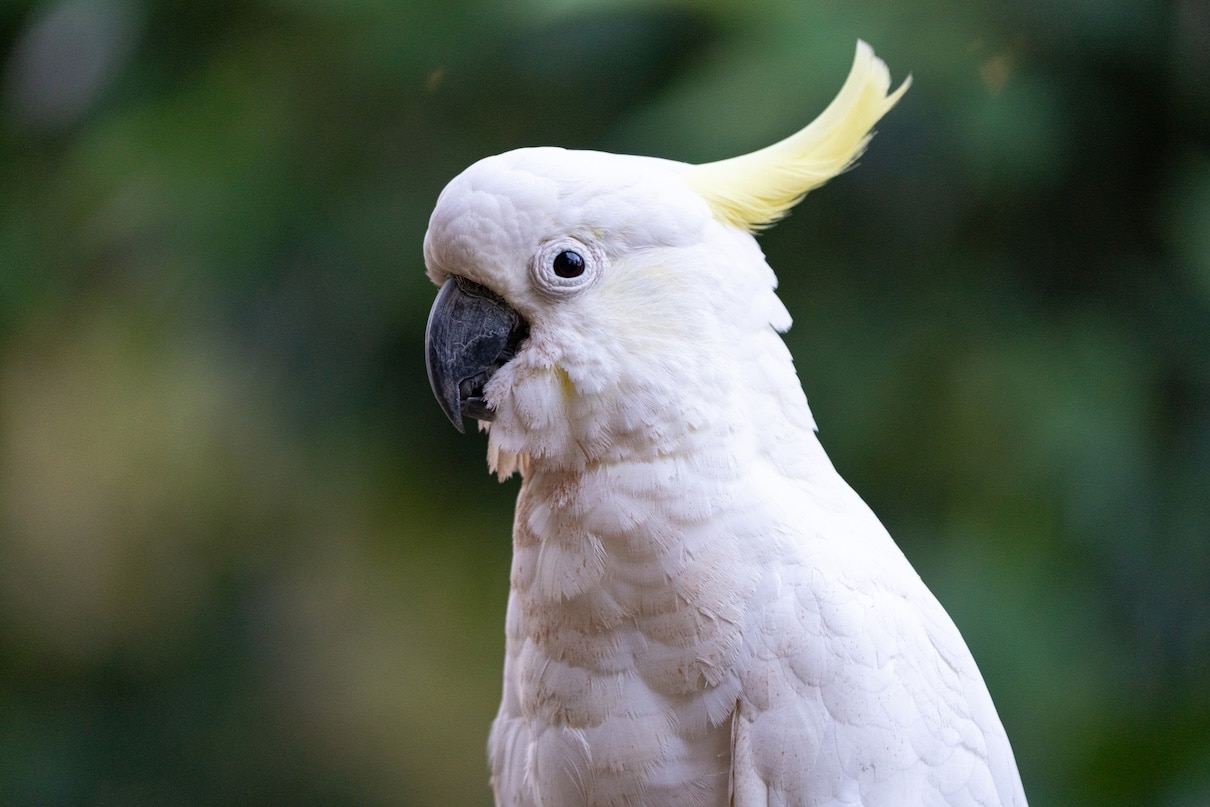
More than 20 cockatoo species exist, but only some are commonly kept as pets. Cockatoos are highly social and intelligent, and they need daily interaction, enrichment, training, and plenty of space.
While their smaller cousins, cockatiels, are great for beginners, cockatoos require an experienced caregiver who understands bird behavior. Their high social needs and noise levels also make them less suitable for homes with shared walls.
- Size: 14 inches
- Weight: 30–880 grams
- Lifespan: Up to 60 years
- Personality: Bold, attention-seeking
- Difficulty: High
- Best for: Very experienced caregivers with substantial space and high noise tolerance
9. Macaw
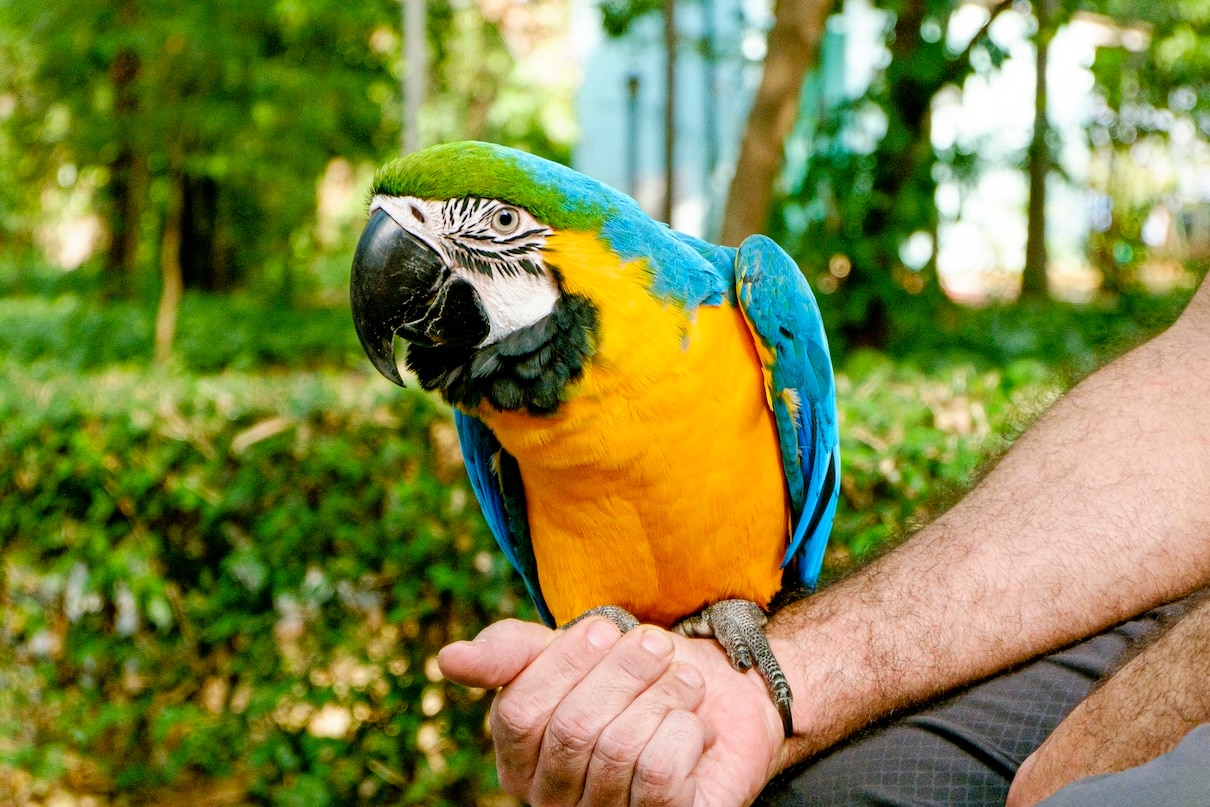
Julio Ricco via Getty Images
Macaws are among the largest pet parrots and need large, sturdy enclosures, daily exercise, and durable bird-safe chew toys. Many are very loud and strong enough to damage unsuitable toys or fixtures, so they are usually best for experienced caregivers with ample space.
Their size and intelligence also make training, enrichment, and routine veterinary care essential.
- Size: 16–40 inches
- Weight: 160–1600 grams
- Lifespan: Up to 60 years
- Personality: Bold, playful
- Difficulty: High
- Best for: Long-term commitment, experienced trainers, not apartment-friendly
Recommended Product

10. Lovebird
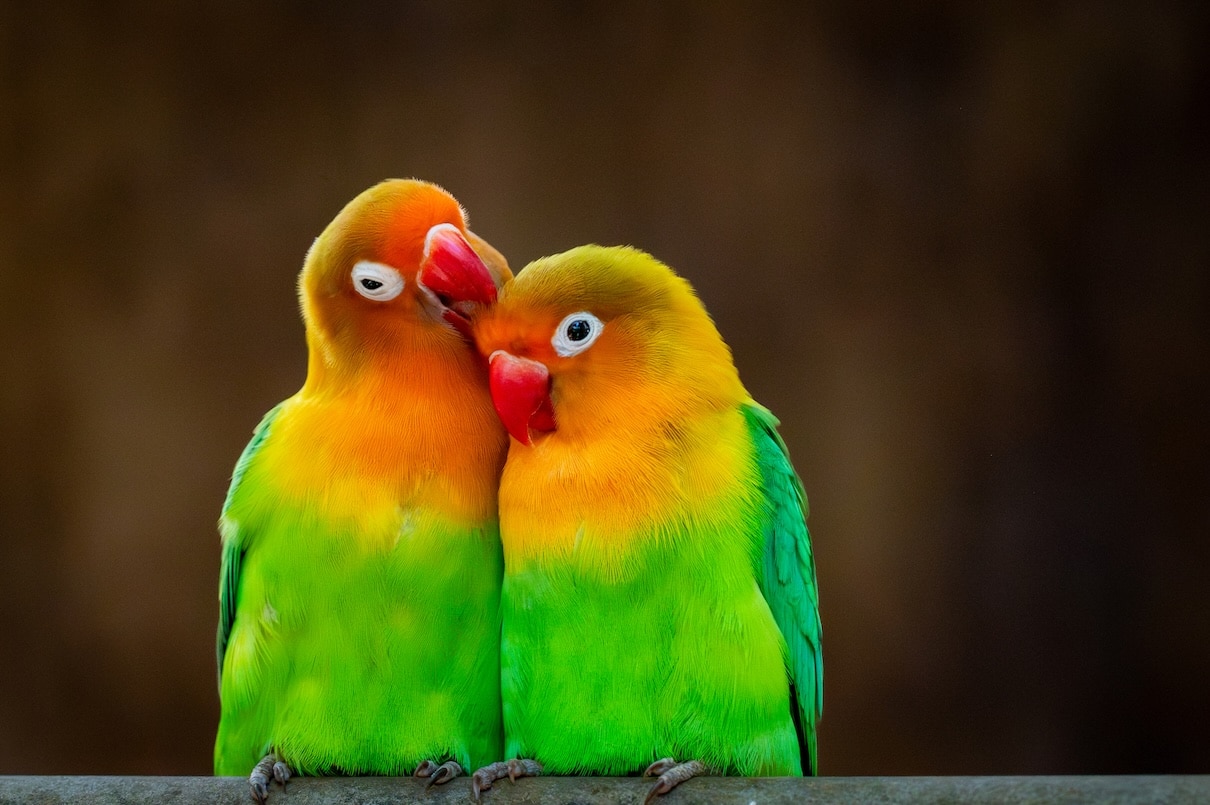
Zocha_K via Getty Images
Lovebirds are small, active parrots that enjoy shredding paper and chewing bird-safe toys. They can be assertive and vocal, and a well-socialized lovebird may be outgoing and interactive.
A lovebird’s small size does not eliminate the need for daily attention, enrichment, and avian veterinary care.
- Size: 6 inches
- Weight: 45–70 grams
- Lifespan: Up to 20 years
- Personality: Assertive, active
- Difficulty: Low
- Best for: Caregivers prepared to provide daily interaction and enrichment
Types of Parrots by Personality
No two parrots have the same personality. Before choosing one for your household, consider a bird’s expected noise level, social needs, lifespan, and care complexity.
Most Talkative Pet Parrots
- Budgies
- African grey parrots
- Amazon parrots
- Quaker parrots
- Indian ringneck parakeets
Quietest Pet Parrots
- Cockatiels
- Pionus parrots
- Bourke’s parakeets
No parrot is completely quiet, and even quieter species can become vocal.
Affectionate Pet Parrots
- Budgies
- Cockatiels
- Conures
- Quaker parrots
- Bourke’s parakeets
- Parrotlets
Smartest Pet Parrots
- African grey parrots
- Macaws
- Amazon parrots
- Cockatoos
- Conures
No parrot species is universally the smartest. Intelligence can appear as mimicry, problem-solving, play, trainability, and social learning.
Beginner-Friendly Pet Parrots
- Budgies
- Cockatiels
- Some green-cheeked conures
Best Pet Parrots for Families
- Budgies
- Cockatiels
- Parrotlets
- Conures
Types of Parrots by Color
Green is common among parrots, but many pet parrot types also sport blue, red, yellow, orange, white, gray, and purple plumage. Color can vary by species, sex, subspecies, and genetic mutation.
Examples of parrot types associated with common plumage colors include:
- Green: Amazon parrots, Senegal parrots, Indian ringneck parakeets, lovebirds, parrotlets, male eclectus parrots
- Blue: Budgies, parrotlets, Quaker parakeets, lovebirds, Indian ringneck parakeets
- Red: Scarlet macaws, green-winged macaws, red lorikeets, crimson rosellas, female eclectus parrots
- Yellow/orange: Golden/sun conures, budgies, cockatiels, Indian ringneck parakeets, lovebirds, parrotlets
Many parrots have feathers in more than one color, with splashes of red, orange, blue, white, etc., on their nape, forehead, chest, wings, and many other body areas.
Which Parrot Is Right for You?
Choosing the right parrot depends on your living situation, experience level, and daily routine.
Smaller parrots generally need less floor space than larger parrots, but they aren’t automatically quiet or easy to care for. Before choosing a bird, consider cage size, exercise needs, enrichment, noise level, lifespan, and access to an avian veterinarian.
Meanwhile, larger parrots often have more complex care needs and stronger bites, so they may suit experienced caregivers better.
Regardless of size or species, every parrot requires a long-term commitment, including nutrition, veterinary care, cleaning, enrichment, training, and social interaction.
Types of Parrots FAQs
What is the friendliest type of parrot?
No single parrot type is the friendliest because individual temperament and socialization vary. However, cockatiels are often considered the friendliest type of parrot, making them one of the most popular pet bird companions.
Which parrot talks the best?
African grey parrots are known to be top talkers. These highly intelligent birds are also good sound mimics, mimicking sounds inside and outside their environment, including other pets, people’s coughs, appliances, or car alarms.
Are parrots good pets?
Parrots can be rewarding pets, but not without dedicated care and attention.
The more trust you build with your parrot through positive interactions, the more likely it is to want to be with you.
Which parrots live the longest?
The larger the parrot, the longer its potential lifespan. The longest-living parrots are macaws, cockatoos, Amazon parrots, and African grey parrots.
What’s the difference between a parrot and a parakeet?
A parrot is the overarching group that includes all species in the parrot family, while a parakeet is an informal term used for small parrots that typically have long, pointed tail feathers.
Can parrots live in apartments?
Some smaller parrots may adapt to apartment living, but no parrot is guaranteed to be quiet.
Consider the bird’s vocal habits, your building’s noise rules, and whether you can provide enough space, enrichment, and daily interaction.
Do parrots need a companion?
Some parrots thrive with a bonded human caregiver, while others may benefit from carefully managed companionship with another compatible bird.
A second bird does not replace daily interaction, enrichment, training, or veterinary care.
Attributions