Green-Cheeked Conure Care Sheet


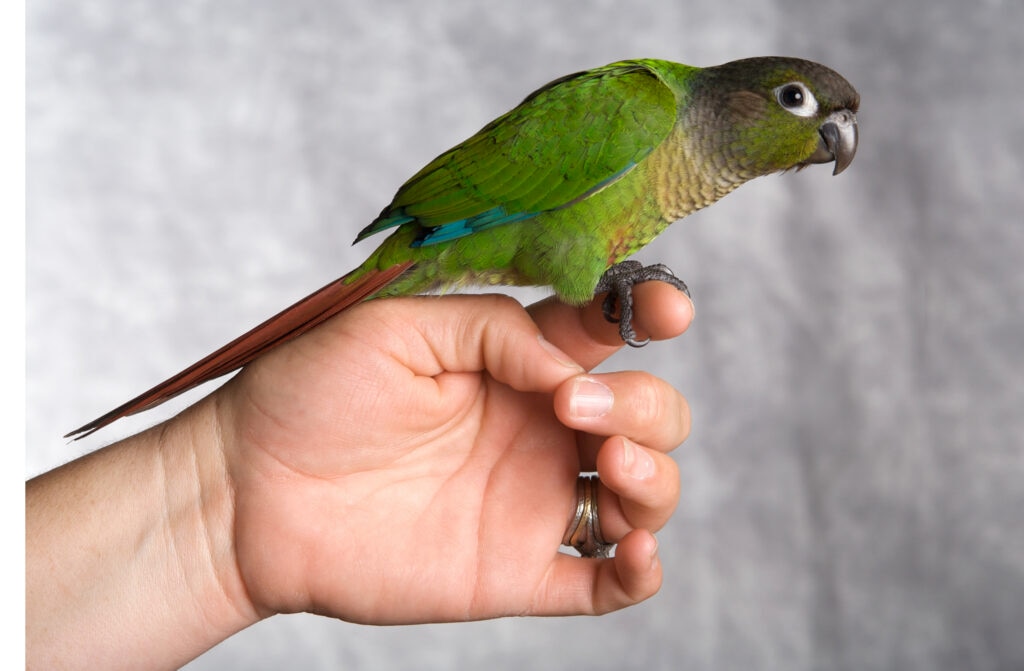
Photo by 3bugsmom/iStock/Getty Images Plus
The green-cheeked conure is a small bird in the parrot family. While not quite as talkative as other parrots, they’re lively chirpers. If you’re thinking about getting a conure or you’ve recently gotten one, here’s how to care for them to ensure a long, healthy life.
Green-Cheeked Conure Overview
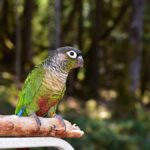
- Green-cheeked conures stand out with bright green feathers along their backs and olive-green spots on their cheeks. They also come in a wide variety of color morphs.
- Conures are exceptionally intelligent birds who need regular attention and entertainment—they can be quite loud.
- Green-cheeked conures can live 20 years or more with proper care.
Fun Facts About Green-Cheeked Conures
- Conures are great at dancing, climbing, and learning to do tricks.
- They may not talk as much as other parrots, but they like to chatter and chirp.
- Conures are more likely to bond with a whole household rather than just one person, making them great family pets.
Green-Cheeked Conure Cage Requirements
For a single green-cheeked conure, provide a cage that’s at least 36 x 24 x 48 inches.
Recommended Products
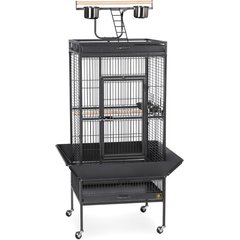
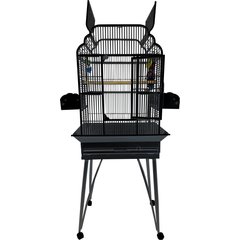
The spacing between the bars of the cage should be no more than 3/4 of an inch. Otherwise, conures could escape or get stuck.
The cage should be large enough for your bird to stretch and flap their wings comfortably. Whenever you can, try to get the largest enclosure available.
Keep the cage in a well-lit, draft-free area of your home, away from air conditioning vents and direct sunlight. Household temperatures should be 65–80 F.
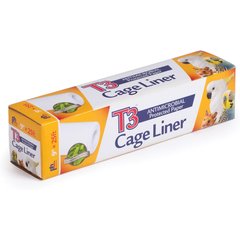
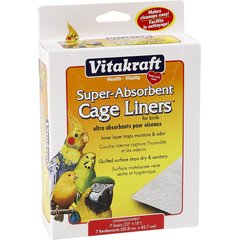
The bottom of the cage should have a removable metal grate and a tray lined with habitat paper or paper-based bedding.
Recommended Products
Add perches of varying sizes, materials, and textures that are no larger than ½-inch in diameter. If a perch is too wide, your conure won’t be able to grip it properly, leading to falls or injuries.
Recommended Products
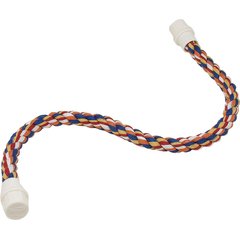
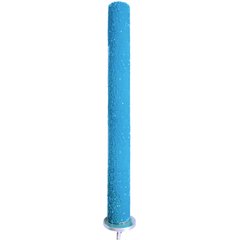
Wood, braided rope, natural branches, and concrete are all great perch options. Avoid sandpaper options because these can cause foot issues.
Avoid placing perches over food and water bowls, as droppings could land there.
Give your bird a few different enrichment toys for mental and physical stimulation.
Recommended Products
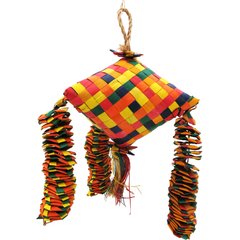
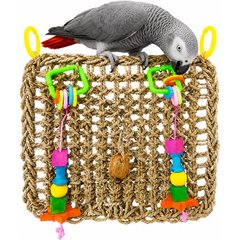
Rotate toys regularly so your bird doesn’t get bored. Toys should have varying colors, shapes, and textures. Cardboard, paper, soft wood, and plastic are all excellent materials that your bird will enjoy destroying. Always make sure the toys are made of non-toxic materials.
Green-cheeked conures need 10 to 12 hours of ultraviolet (UV) light every day. You can give them this exposure by letting them spend time outside in an escape-proof cage when the weather permits. Never leave your bird unattended or in direct sunlight.
You can also use a full-spectrum bulb that’s designed for birds to give them UV light indoors. UVB 5.0 lighting is recommended.
Recommended Product
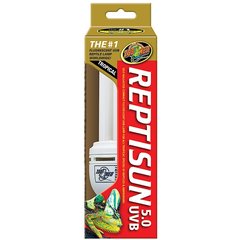
Try to replace bulbs every six months because their potency wanes from use.
Cleaning and Maintenance
Spot-clean the cage daily, removing old food and soiled materials. Thoroughly wash water and food bowls daily.
Change the bedding or cage liner at least once a week. If you have more than one bird in the cage, you might have to replace it more often.
Deep-clean the cage on a regular basis. When it’s time to clean the cage, move your green-cheeked conure to another secure enclosure in a separate room to prevent them from breathing in any fumes from cleaning agents. Then discard old bedding or liners and remove all toys, perches, and bowls.
Using a bird cage cleaner like Nature’s Miracle or a 3% bleach solution, thoroughly wash the cage and its accessories.
Recommended Product
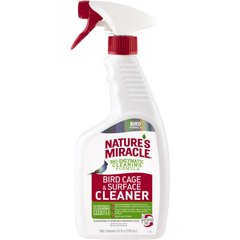
Rinse everything thoroughly with water to remove any residual smell from the cleaning agent. Let the cage dry completely before putting in fresh bedding or a new cage liner. Once accessories are completely dry, add them back to the enclosure, followed by your pet.
Green-Cheeked Conure Bird Diet
You should have three separate bowls for your green-cheeked conure: one for dry food, one for fresh food, and one for water. If you have more than one conure in the cage, each bird should have their own feeding station to avoid competition.
A high-quality pelleted food should make up 60–70% of your green-cheeked conure’s diet.
Recommended Products
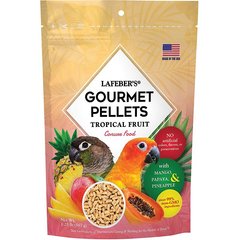

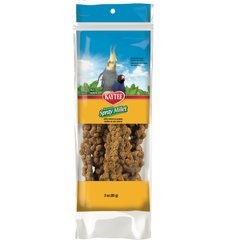
Vegetables, fruits, and treats—including fortified seeds and millet—should make up no more than 10% of your bird’s diet. Most fruits are fine, except avocados and fruit seeds and pits. Most vegetables are also good, except onions and garlic.
Orange-colored vegetables such as carrots, sweet potatoes, and squash are highly sought after. Dark leafy greens are also a good food option.
Do not feed your bird chocolate, caffeine, or alcohol, as they are toxic and could lead to death.
Recommended Products
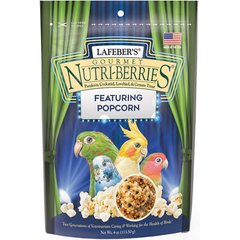
Remove any uneaten food after 10 hours to avoid any chance of your conure ingesting potentially spoiled food.
How To Hold a Green-Cheeked Conure
Green-cheeked conures love spending time with humans and being petted. They also enjoy being handled, but prefer perching on you rather than being held in your hands.
Pay attention to your bird’s behavior before trying to handle them. If your bird lunges at you or has flared tail feathers or pinned eyes, they might feel threatened and may bite.
If your green-cheeked conure bites or nips you, try not to react. Instead, place them in their cage or another safe area and walk away. This teaches your bird that biting isn’t good behavior.
Conure Health
Take your green-cheeked conure to a veterinarian once a year for an annual checkup. You might need to take your bird to the vet if you notice anything out of the ordinary, like:
- Eye or nasal discharge
- Feather plucking or uneven feather growth
- Lack of foot grip or foot sores
- Abnormally colored or runny droppings
- Rapid breathing
- Mites or other parasites
- Weight loss or loss of appetite
- Unwillingness to move a limb or wing
- Overgrown beak or beak fractures
- Itching or constantly fluffing feathers
- Not vocalizing
- Sitting on the bottom of the cage with fluffed feathers
- Droopy wings
Healthy green-cheeked conures have bright, clear eyes with clean nostrils and vent. They also have intact feathers and beak, with full range of motion in their wings. If you think something is wrong with your bird, contact your vet right away.
Green-Cheeked Conure Supply Checklist
Before you bring your green-cheeked conure home, make sure you have everything at the ready, including:
- Appropriately sized habitat
- High-quality pelleted conure food
- Millet spray and treats
- Cage liner or bedding
- Food and water bowls
- Perches, toys, and play gyms
- UV light
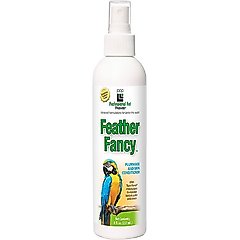
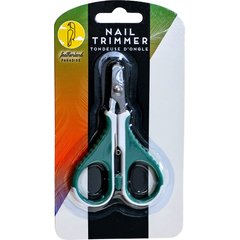
- Grooming supplies like feather spray or nail trimmers
Recommended Products
FAQs About Green-Cheeked Conures
Is a green-cheeked conure a good pet?
Yes, green-cheeked conures are great pets. They are vocal, social, and extremely intelligent birds.
How long is the green-cheeked conure lifespan?
With proper care, green-cheeked conures can live 20 years or more.
Do green-cheeked conures talk a lot?
Green-cheeked conures aren’t as talkative as other parrots, but they are vocal—these birds chirp and chatter.
What is the average price for a green-cheeked conure?
Green-cheeked conures vary in price based on age, color, and where you buy your bird. Some can cost as little as $150, while others cost $600–$700 or more.
Click here for a downloadable PDF version of this care sheet!
Attributions