Best Toys for Pet Birds


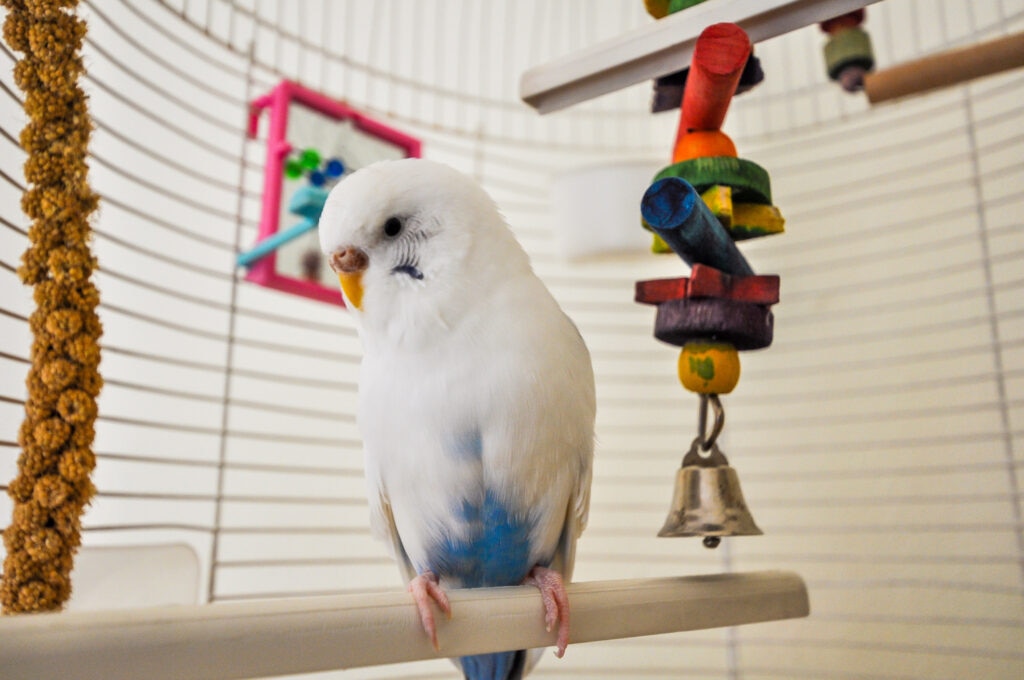
Photo by JanJBrand/iStock/Getty Images Plus
Toys are far more than just playthings for pet birds; they are essentials for keeping them active and mentally stimulated.
- Toys offer pet birds safe ways to stay curious and engaged.
- Toys help prevent boredom and stress, which can otherwise lead to problems like excessive vocalizing, destructive chewing, or feather destructive behavior.
- Bird toys support physical health by encouraging movement and keeping beaks and feet strong and healthy.
- Toys for pet birds include foraging toys, chew toys, puzzle toys, and exercise toys, and each type supports their overall sense of fulfillment.
Why Toys Are Important For Pet Birds
Birds are busybodies. In a typical day, our birds’ wild counterparts are foraging for food, chewing, climbing, and performing all kinds of avian acrobatics. Far more than just entertainment, toys let pet birds express their superpowers, from sharp minds and powerful beaks to daring aerial feats.
Toys prevent boredom and fuel your bird’s day with mental stimulation. Bird toys also help companion birds stay in shape; they keep beaks and feet in good condition and get our feathered friends off the perch and moving.
Beyond keeping your bird’s mind and body active, toys also provide an opportunity to strengthen the bond between you and your bird. With toys, you have fun and creative ways to engage with your feathered companion—a win-win for both of you.
Types of Bird Toys and Their Benefits
Chew Toys for Birds
Chew toys can be immensely satisfying to birds, and they offer a safe outlet for stress relief and expending energy. Safe chew toys also help wear down a bird’s constantly growing beak, and they give beak and tongue muscles a workout to keep them strong and efficient.
Chew toys made from bird-safe wood are a classic pet bird staple, and come in a wide range of shapes, sizes, and densities so caregivers can match toys to their bird’s beak strength and chewing style.
Chew Toys for Small-Beaked Birds
Birds with smaller beaks, like cockatiels and sun conures, will appreciate toys featuring softer and thinner wood, cardboard, and paper elements that they can sink their beaks into and chew to pieces.
Chew toys for cockatiels and conures include:
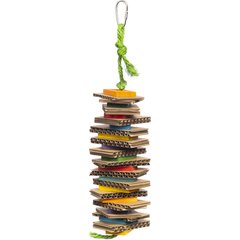
- Prevue Pet Products Playfuls Shredding Stack Bird Toy: Your small or medium-sized parrot will feel strong and powerful as they bite into the corrugated cardboard and wood wafers, and each bite and chew helps exercise their beak and tongue.
Recommended Product
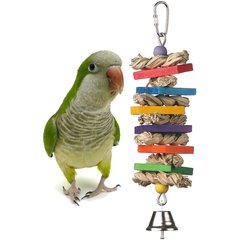
- Super Bird Creations Seagrass Wafers Bird Toy, Medium: This colorful toy has pine wood slats and thick braided seagrass to challenge your bird’s beak strength as they chew and unravel it.
Recommended Product
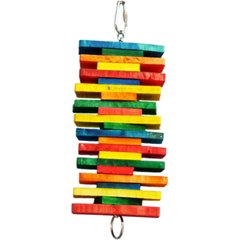
- Zoo-Max Accordion Bird Toy, Multicolor: This colorful, non-toxic softwood chew toy lets small and medium-sized parrots chew, gnaw, and shred to their heart’s content.
Recommended Product
Chew Toys for Large-Beaked Birds
Larger parrots, with their stronger beaks, can take on toys with harder components, such as denser hardwood and sturdy cardboard. With a bit of time and determination, they can reduce big blocks of dense wood into splinters.
Many large parrots also enjoy the satisfaction of shredding softer woods and paper, so consider adding them to the mix.
Chew toys to try for larger parrots include:
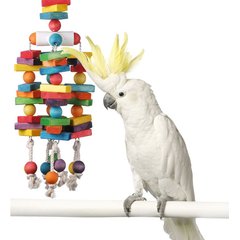
- Super Bird Creations 4 Way Play Bird Toy, X-Large: Its crunchy kiln-dried pine blocks and hardwood beads satisfy your large parrot’s urge to chew and destroy, while the cotton ropes invite more intricate beak-and-tongue play.
Recommended Product
- Beaktivity Xcalibird Bird Toy Base, Multicolored Medium Wood, X-Large: With a sturdy stainless steel base and reloadable cables, you can restock with bird-safe elements for your bird to chew and destroy.
Recommended Product

- Prevue Pet Products Naturals Gorilla Bird Toy, Natural: These are designed to challenge large bird beaks. Your bird can chomp their way through coconut shells, bamboo, and mangrove wood, and explore their tactile senses by tugging and undoing sisal rope knots.
Recommended Product
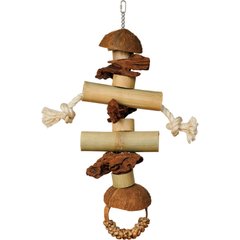
The ultimate sign that a chew toy is a hit with your feathered friend is the toy’s destruction, which can look like a pile of debris on the bottom of the cage or play gym. With chew toys, the motto is the more destroyed, the more enjoyed.
Foraging Toys for Birds
Foraging toys mimic birds’ natural “work-for-food” behavior. Top products among foraging options are puzzle toys, which encourage problem-solving and persistence by challenging the bird to manipulate the toy to reach a treat inside.
Puzzle toys come in varying levels of difficulty, from simple tip-over options to those with a labyrinth of knobs to navigate through. You can start simple and up the challenge as your bird conquers new puzzle toys.
Shreddable toys offer birds fun ways to forage and explore, especially smaller birds who tend to make busy work out of fibrous materials. Woven grass mats, braided palm leaves, and other natural materials mimic the textures birds encounter in the wild, and are great for hiding treats.
Paper- and cardboard-based toys also offer hidden spots for snacks and plenty of chewing opportunities.
Foraging toys to try include:
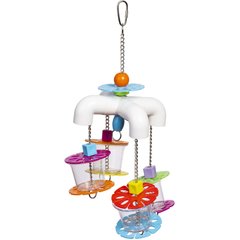
- Prevue Pet Products Playfuls Sink N Seek Bird Toy: Fill the plastic cups with treats and challenge your bird to find a way to them with this foraging toy that also swings.
Recommended Product
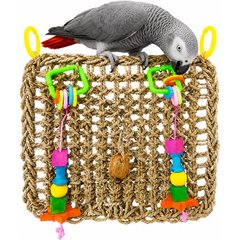
- SunGrow Parrot Climbing & Cage Hammock Swing Foraging Net & Activity Play Bird & Small-Pet Chew Mat: Made with a natural seagrass base, this wall of fun is tightly woven into a sturdy lattice, perfect for hiding treats. You can attach it to the side of the cage or lay it flat for your bird to explore.
Recommended Product
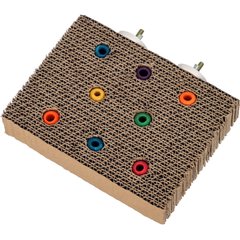
- Super Bird Creations Cardboard Treat Block Foraging Bird Toy, Medium: Fire up your bird’s foraging instincts with this layered cardboard block that is perfect for hiding treats. With embedded beads to encourage exploration, it’s ideal for small and medium-sized birds.
Recommended Product
Climbing and Exercise Toys
Some birds are always on the move, while others lean toward being perch potatoes. Fortunately, there’s a whole category of pet bird toys to get your bird moving.
Climbing toys include ladders for your bird to traverse up and down. Exercise toys that sway, like boings, ropes, and swings, give your bird’s legs and feet a workout and also strengthen tendons.
Climbing and exercise toys to try include:
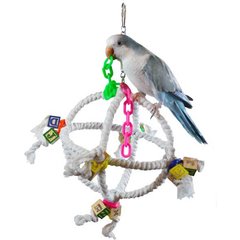
- Super Bird Creations Orbiter Bird Toy: Designed for climbing and swinging, this toy also doubles as a place to perch, with a soft, comfortable grip.
Recommended Product
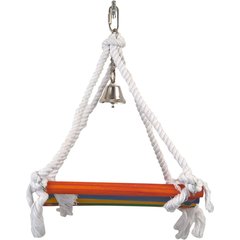
- Penn-Plax Bird Life Rope & Wood Swing Bird Toy: This swinging platform adds movement to your bird’s day and also has a fun bell they can ring.
Recommended Product
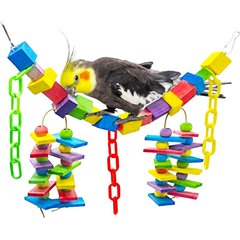
- SunGrow Large Hammock Swing for Parrot & Cockatiel, Bridge Blocks Bird Toy: This multi-sensory toy can be used as a swing to challenge your bird’s balance, or hang it vertically for a climbing wall.
Recommended Product
How To Choose Safe Toys for Your Pet Bird
Safety should always be a top priority when selecting toys for your pet bird. Follow these tips to ensure you’re giving your bird the best toys:
- Match toys to your bird’s size.
- Look for non-toxic, bird-safe materials, including bird-friendly paints and dyes, and lead-free, bird-safe metals like stainless steel.
- Check your bird’s toys for wear and tear, and replace any that become frayed or damaged to prevent injuries such as from strings wrapping around your bird’s feet.
- Watch for sharp edges and any gaps that could pinch toes and other body parts.
- Rotate bird cage toys to offer variety, and if your bird doesn’t show interest in a toy at first, try relocating it to a different area of the cage or play gym.
Best Toys for Different Types of Pet Birds
Toys for Small Birds (Budgies, Finches, Canaries)
Small birds like finches and canaries need toys, too. Look for toys they can pick apart and/or shred, such as those with softwood, paper, light cardboard, and natural fibers.
Smaller birds tend to be flighty, so swings and boings give them points to fly to and bounce off. Bell toys are especially popular with budgies, and many enjoy interacting with mirror toys.
- Prevue Pet Products Naturals Crown Bird Toy: Crafted with grasses, raw rope, hardwood beads, wafers, and flat wooden spoons to bring out your small bird’s chewing instincts.
Recommended Product
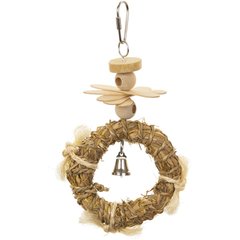
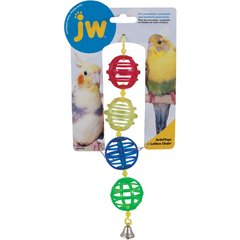
- JW Pet Activitoy Birdie Lattice Chain Toy, Small/Medium: These hanging spears let your budgie or small bird climb and swing, and you can turn it into a foraging toy by placing treats inside.
Recommended Product
Toys for Medium Birds (Cockatiels, Lovebirds)
Cockatiels and lovebirds tend to be dedicated shredders, so look for toys with paper, straw, softwood, cardboard, and bird-safe plastic. Bells toys are among the favorites of cockatiels and lovebirds, too.
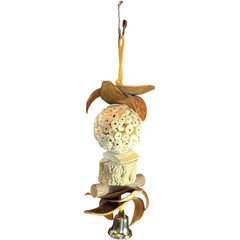
- Polly’s Pet Products Hawaiian Chew Toy, Brown, Medium: This Hawaiian-themed toy brings the aloha to your bird’s day with all-natural palm leaf, dried mahogany fruit, and cuttlebone, perfect for shredding and picking.
Recommended Product
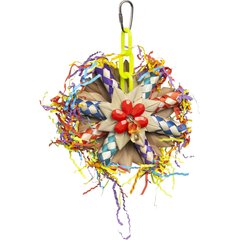
- Prevue Pet Products Playfuls Preening Wheel Bird Toy: Cockatiels will appreciate this multi-sensory activity toy with woven raffia strips and colorful paper strips to shred and chew, and plastic elements to explore.
Recommended Product
Toys for Large Birds (Parrots, Macaws)
Think big when it comes to the bigger birds. Large parrots have powerful beaks and need bird-safe chewing opportunities. Hardwood blocks and durable chew toys, such as those with leather pieces, will challenge their big beaks, while puzzle and foraging toys will challenge their minds.
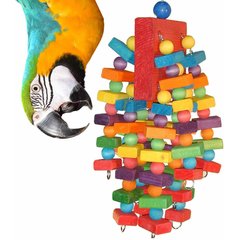
- Super Bird Creations Beakasaurus Bird Toy, Large/X-Large: With 4 pounds of colorful wooden blocks and beads strung on a heavy-duty chain, this colossal destroy toy is big enough to challenge a large parrot’s beak.
Recommended Product
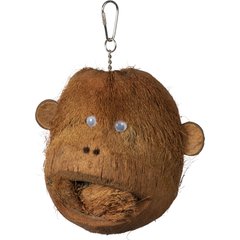
- Prevue Pet Products Naturals Coco Monkey Bird Toy, Natural: With an all-natural coconut shell, this fun monkey design challenges your large parrot’s chomping chops, and they can preen and pluck its coconut fibers. You can also hide a mouthful of treats for your parrot to forage for.
Recommended Product
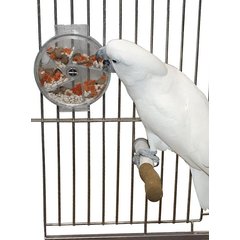
- Caitec Featherland Paradise Foraging Wheel Bird Toy: Put your large parrot’s puzzle-solving skills to the test with this wheel spin-and-win design to score a treat.
Recommended Product
Tips for Keeping Your Bird Interested in Toys
Some toys are instant hits, while others are ignored. Keep these tips in mind when entertaining your unique bird:
- Introduce new toys gradually, and pay attention to the toy types that get your bird’s attention.
- Strive for a weekly toy rotation so your bird isn’t stuck with the same toys, and don’t give up on a toy that doesn’t get any play. Just move it to another location or try a different position, such as vertical instead of horizontal.
- Since food is a motivator for many birds, offer a favorite treat on a toy to entice your bird to check it out.
Thoughtfully chosen toys are more than playthings; they are part of your bird’s day-to-day life. Toys add moments of joy and curiosity that go a long way in sustaining a pet bird’s mental and physical well-being.
Attributions