Canary Care Sheet


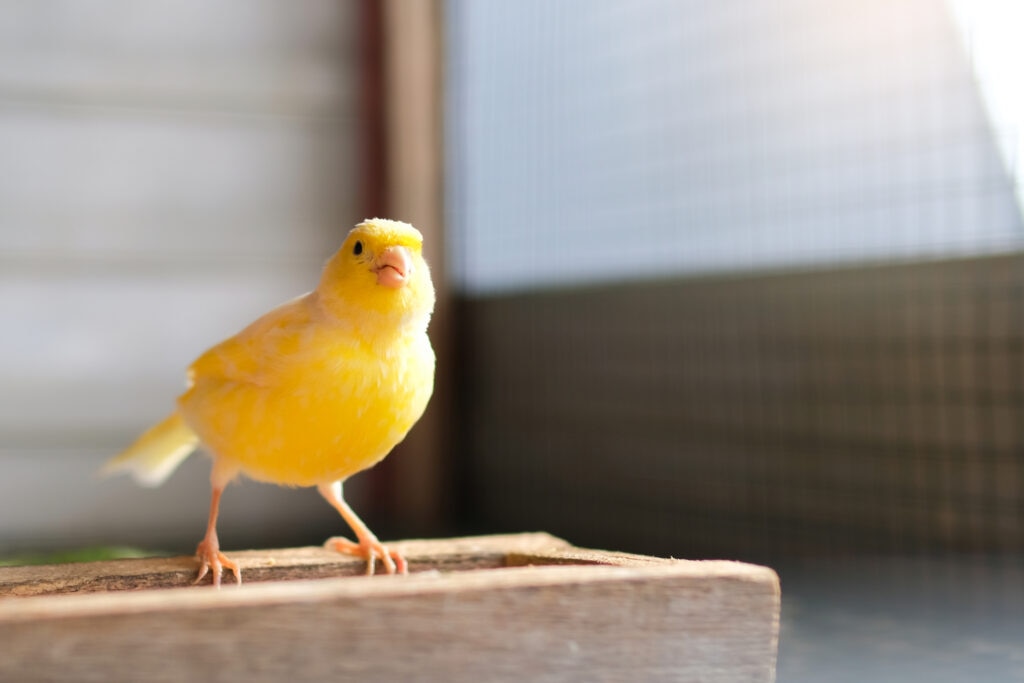
Photo by Kanur Ismail/iStock/Getty Images Plus
Canaries are tiny birds that are great for beginner and established bird owners alike. With proper care and attention, these birds can live 10 years or more.
Canary Overview
- Canaries are a lot like finches, but they aren’t as social and can be housed alone.
- These birds are tiny, averaging 3–5 inches.
- Canaries can live over 10 years with proper care.
Fun Facts About Canaries
- There are over 200 breeds of canaries, varying in color, size, and singing.
- Canaries get their name from their place of origin—they’re native to the Canary Islands.
- Canaries were historically used in coal mines to warn workers about potentially harmful fumes.
Canary Bird Cages
For recommended size cages for canaries, consider the following guidelines:
- Minimum dimensions: Aim for at least 24 inches long, 18 inches wide, and 18 inches high to provide ample space for movement and exercise.
- Wingspan rule: The cage should measure 1.5 times your canary’s wingspan for comfortable stretching.
- Bar spacing: Ensure bar spacing is no wider than 0.5 inches to prevent injuries.
- Cage design: Choose cages that allow for horizontal flight and vertical movement, as canaries are natural fliers.
- Safety and durability: Opt for cages made of sturdy materials like stainless steel or powder-coated metal to ensure longevity and safety.
Recommended Products
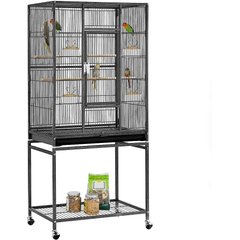
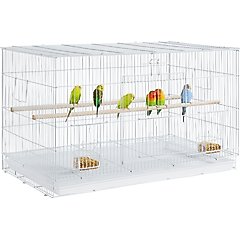
Keep the cage in a well-lit area, away from kitchen fumes, air conditioning vents, and other pets. Household temperatures should be 65–80 F.
Add three separate bowls—one for dry food, one for fresh food, and one for water. Water bowls should be large enough for the canary to bathe in. Thoroughly wash and rinse these daily.
Recommended Product
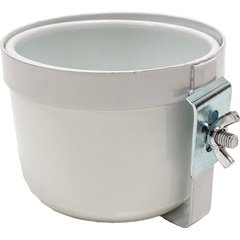
Canaries prefer to be by themselves and should not be housed with other canaries or other birds. Keeping these birds together in the same habitat increases the likelihood of fighting, so it’s best to keep them separated.
The cage should have a removable metal grate at the bottom, lined with habitat paper or paper-based bedding.
Recommended Product

Place many perches of varying sizes and materials at different heights throughout the cage. Since canaries are small, their perches should be small, only ¼- to ½-inch in diameter. Anything larger could prevent them from gripping properly, and they may fall or sustain an injury.
Look for perches made of concrete, braided rope, or wood, or use natural branches. Avoid gravel, sandpaper, and sanded perch covers because they can harm the bird’s feet. Don’t put perches above food and water bowls since bird droppings will land there.
Recommended Products


Canaries don’t chew on toys the same way parrots do, but they enjoy playing with various types of toys like mirrors, bells, swings, and ladders.
Recommended Products

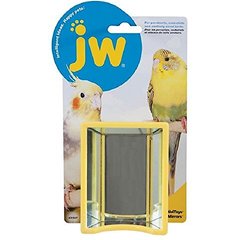
Watch how your canary interacts with different toys. Some birds may like mirrors, while others may be afraid that another bird is inside their cage and become territorial.
Replace perches and toys when they get worn or damaged.
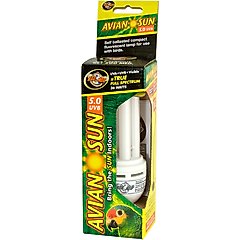
Canaries need 10–12 hours of ultraviolet (UV) light every day. While natural UV light is helpful, cages near windows still don’t get enough light. Instead, you can bring your bird outside in an escape-proof cage, as long as the weather permits.
You can also add a UV light for canaries. These lights should be 12–18 inches away from where the bird perches.
Recommended Product
Cleaning Your Canary Cage
Spot-clean your canary’s cage every day by removing soiled material and discarded food. Replace bedding and habitat liners daily or every other day.
Before cleaning the cage, put your canary in another habitat or travel cage in a separate space so they aren’t near the cleaning agent. Discard old substrate, and remove bowls, perches, toys, and other accessories.
Clean the cage and all accessories with a bird habitat cleaner or a 3% bleach solution.
Recommended Product
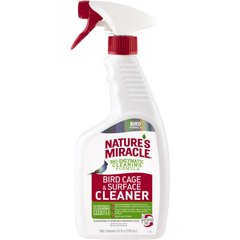
Thoroughly rinse the habitat and accessories with water until the cleaning agent smell is gone. Once the cage and accessories are completely dry, put in new paper and put back the clean accessories. Finally, return your canary to their cage.
Domestic Canary Diet
Feed your canary high-quality pelleted food, seeds, fruits, vegetables, and dark leafy greens.
Recommended Products
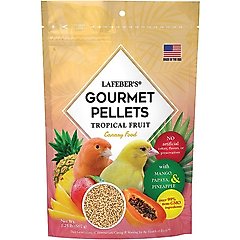

Pelleted food should make up 60–70% of your bird’s diet, with certain fruits and veggies fed in limited quantities. Safe foods include:
- Leafy greens
- Carrots
- Green beans
- Sweet potatoes
- Bell peppers
Keep a large bowl of lukewarm water available at all times and change it daily.
Offer treats occasionally—a few times a week—as they should only make up 10% of your bird’s diet.
Recommended Products
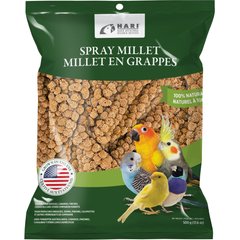
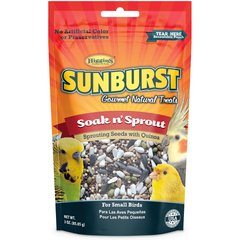
Seeds are a great source of fat for canaries, but they should not be your bird’s primary source of food since they don’t contain enough vitamins and protein. Seeds should be given as treats. Millet spray can also be fed as an occasional treat—it’s high in fat content and low in nutritional value.
Provide cuttlebones to your canary to supplement calcium and other trace minerals. Calcium is a vital nutrient that helps keep birds’ bones, beaks, nails, and feathers strong and healthy.
Recommended Products
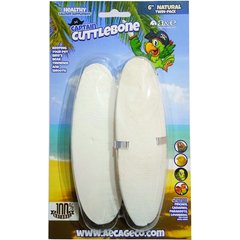
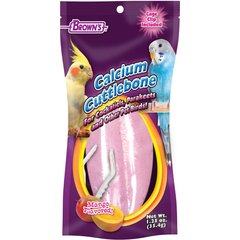
Avoid giving the following foods to your canary:
- Avocados
- Chocolate
- Caffeine
- Treats that are high in fat, sugar, or salt
How To Hold a Canary
Canaries generally do not like to be held. Avoid handling them unless absolutely necessary.
Since canaries preen themselves when they have water, you don’t need to bathe them. If your bird doesn’t regularly bathe, you can mist them with a spray bottle of water every couple of days.
Do not trim your bird’s nails if they’re getting overgrown; a trained professional should do this.
Canary Health
Take your canary to the veterinarian at least once a year for an annual checkup. You might also have to take your bird in if you notice any health-related issues, like:
- Eye or nasal discharge
- Cloudy eyes
- Bleeding or cracked beak
- Plucked or broken feathers
- Lumps, bumps, or swelling
- Oral ulcers, mouth drooling, or discharge
- Changes in droppings
- Lethargy
- Constantly fluffed feathers
- Foot ulcers
Healthy canaries should have clean, clear, bright eyes, a clean beak, and clean feathers. They should also have clean nostrils and intact skin, as well as a strong appetite and curious personality. If you notice anything out of the ordinary with your canary, call your vet right away.
Pet Canary Supply Checklist
Before you bring your canary home, make sure you have all your supplies ready, including:
- Appropriately sized habitat
- High-quality pelleted canary food
- Millet spray
- Cuttlebone and cuttlebone/millet holder
- Treats
- Habitat paper or other paper-based litter
- Food and water bowls
- Variety of perches and toys
- Birdbath
- Grooming supplies
FAQs About Canary Birds
How long do canaries live?
With proper care, canaries can live 10 years or more.
How big do canaries get?
Canaries usually grow to around 3–5 inches, from their head to the tip of their tail.
Is a canary bird a good pet?
Canaries are great pets! They need different attention compared to other birds, so it’s important to know how to care for canaries compared to finches and parrots.
Is it OK to have just one canary?
It’s best to keep one canary in one cage. Canaries prefer isolation, and if you have more than one, it’s better to keep them separate.
Click here for a downloadable PDF version of this care sheet!
Attributions