Can Canaries Live Together?


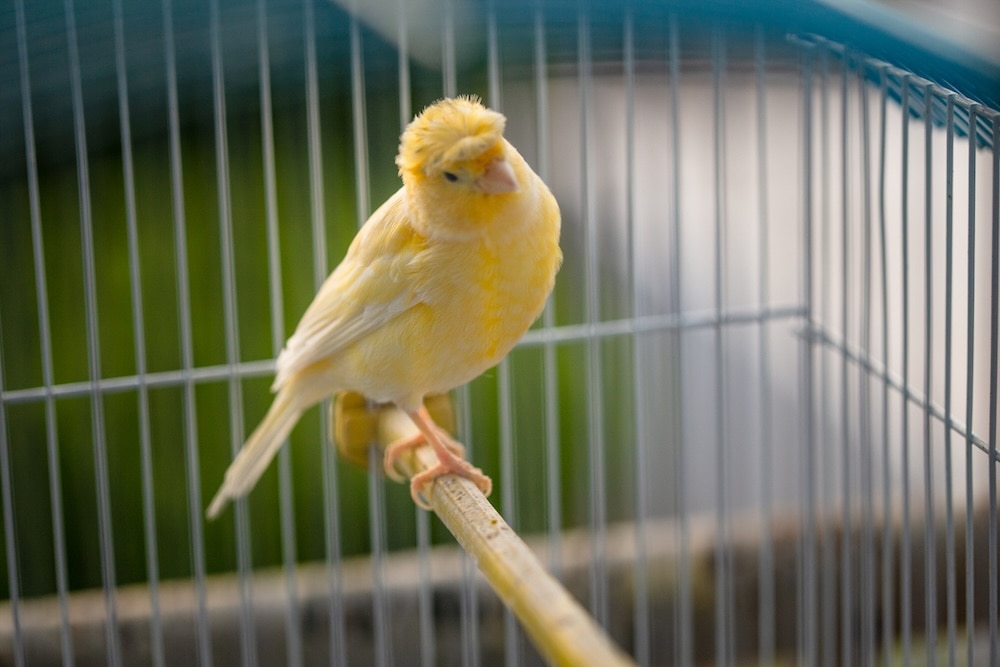
Photo by Anass Bachar/iStock/Getty Images Plus
Canaries (Serinus canaria domestica) are popular for their beautiful songs, bright colors, and independent personalities. But if you’re considering bringing home more than one as a pet, you might wonder: Can canaries live together?
The answer is that yes, sometimes canaries can be housed together. Whether two or more canaries can safely share a cage depends on several factors, including their sex and individual personalities, as well as the cage size and time of year. Also, canaries can be territorial, and birds who seem compatible at first may not always remain that way.
Understanding normal canary behavior, and being prepared to house birds separately if necessary, is essential when keeping multiple canaries.
Key Takeaways
- Some canaries can live together, but compatibility isn't guaranteed. Sex, personality, available space, and breeding season can all influence how birds interact.
- Male canaries can be territorial. Housing two males together may lead to fighting, particularly during breeding season.
- A large cage and multiple resources are essential. Birds need enough room to move away from each other, and they should have access to multiple food and water stations and perches.
- Always have a backup housing plan. Separate canaries immediately if you see persistent chasing, aggression, injuries, or one bird preventing another from eating or resting.
Do Canaries Like To Live Together?
Wild canaries may gather in groups, particularly outside of their breeding season, but that doesn’t mean pet canaries always want to share close quarters with one another. In the wild in the Canary Islands, breeding activity typically increases in the spring as daylight hours lengthen.
The amount of light in a given day, rather than a specific calendar date, is an important driver of reproductive activity. When canaries are kept as pets, artificial lighting can alter or prolong the breeding season, which is one reason appropriate light-dark cycles are important for canary health and behavior.
Unlike some highly social companion birds, such as zebra finches and parakeets, a pet canary does not necessarily need a cage mate to thrive. Many canaries can live successfully on their own when provided with an appropriate enclosure, enrichment, and proper care.
Recommended Products

Compatibility also varies from bird to bird. Some canaries may peacefully coexist, while others become territorial when another bird enters their space. Never assume two canaries will get along simply because they’re the same species.
Can Two Canaries Live Together?
Two canaries may be able to live together, but the pairing matters. Any birds sharing an enclosure should be monitored closely, particularly when they’re first introduced and when seasonal behavior changes occur.
Can Two Male Canaries Live Together?
Housing two male canaries in the same cage can be risky. Males may become territorial and fight, particularly during breeding season when hormones can intensify territorial behavior. Aggressive behavior may lead to pecking trauma, feather loss, and even death.
If two males show aggression toward each other, they should be separated. Providing separate cages allows each bird to have their own territory while still being able to hear each other.
If you’re hoping to enjoy the characteristic song that canaries are famous for, keep in mind that male singing behavior can also be influenced by the presence of other canaries. In general, a male hearing a rival male from a separate enclosure may increase his song frequency, intensity, and duration in competition. However, if two males are housed in the same enclosure, subordinate males may vocalize less, in addition to being territorial.
Can Two Female Canaries Live Together?
Two females may sometimes coexist more peacefully than two males, especially when they have plenty of space and resources.
However, females can still become territorial or aggressive. Their behavior may also change during breeding season. Monitor both birds rather than assuming a female-female pairing will always be compatible.
Can a Male and Female Canary Live Together?
A male and female may get along, but housing opposite-sex canaries together introduces the possibility of mating and egg laying. Keep in mind that female canaries can also lay eggs without a male present.
Breeding birds involves significant nutritional and health considerations, and egg-laying itself can pose health risks for females. Chronic egg laying can contribute to calcium depletion and increase the risk of reproductive complications such as egg binding and cloacal prolapse.
If you don’t intend to breed canaries, talk to an avian veterinarian about the most appropriate housing arrangement and ways to discourage reproductive behavior.
How To Introduce Canaries
Don’t simply put a new canary into your resident canary’s cage. Before introducing any new bird, consult your avian veterinarian about an appropriate quarantine period and health examination.
Quarantining new birds helps reduce the risk of introducing infectious diseases to birds already in the home. Quarantine generally involves housing the new bird separate from resident birds, ideally in another room, for a period of time recommended by your avian veterinarian. Make sure to care for the new bird after your resident birds, and wash hands in between.
After quarantine, consider starting with the canaries in separate cages where they can see and hear each other without having direct physical contact. This gives you an opportunity to observe their reactions.
If you eventually house them together, use an enclosure that’s large enough for both birds to comfortably move away from each other. Monitor their interactions closely and be ready to separate them if problems develop.
How Much Space Do Two Canaries Need?
When multiple birds share a cage, more space is necessary. Canaries are active birds who need room to fly horizontally rather than hop between closely spaced perches.
The enclosure should be large enough that each canary can move around without constantly entering the other’s space. Provide multiple:
Recommended Product

Recommended Product

- Perches at different locations and heights
Recommended Product

- Comfortable resting areas
Recommended Product

Duplicating resources can help prevent one bird from controlling access to essentials. A subordinate bird that is repeatedly prevented from accessing food or water can quickly become dehydrated, lose weight, and become ill.
Cage bars must also be appropriately spaced for canaries to prevent escape or injury. Ask your avian veterinarian for recommendations based on your individual birds and housing setup.
As a basic guideline, a single canary needs an enclosure that measures at least twice their wingspan, providing enough room that their head and tail do not contact the roof, floor, or side walls while flapping or perched. Remember, horizontal flying space is important with canaries so bigger cages are always better.
When keeping a pair, begin with a horizontal flight cage measuring a minimum 36 inches in horizontal length to encourage natural flight, maintaining a strict bar spacing of no more than 1/2 inch to avoid hazardous head entrapment.
Outfit the cage with natural wood perches of diverse diameters placed at opposite ends. This supports foot health and preserves open flying space, taking care not to place perches directly above food or water dishes to prevent contamination.
Signs Your Canaries Aren’t Getting Along
A brief disagreement doesn’t mean two birds can’t coexist, but repeated aggression or intimidation shouldn’t be ignored.
Signs of trouble include:
- Persistent chasing
- Biting or attacking
- Fighting over food, water, or perches
- One bird repeatedly forcing the other away
- Feather damage or injuries
- One bird spending excessive time hiding or avoiding the other
- Changes in eating or drinking
- Unusual quietness, inactivity, or other behavioral changes
Separate the canaries if aggression is persistent or they’re being injured or prevented from resting or accessing food and water.
Contact an avian veterinarian promptly if either bird is injured or shows signs of illness. Even small wounds from a cage mate often need same-day veterinary attention. Bite wounds can quickly become infected.
Can Canaries Live With Other Birds?
Canaries shouldn’t be housed with another bird species simply because both species are small. Birds can differ considerably in temperament, communication, and physical strength.
A more assertive bird can intimidate or injure a canary, and birds sharing an enclosure may also expose each other to disease.
Keeping different species in separate enclosures is generally the safer option for most pet parents. Carefully selected compatible species may sometimes live together successfully in a properly designed aviary with adequate space and resources, but close monitoring is essential. Check with your veterinarian before co-housing two different bird species.
Do Canaries Need a Companion?
Canaries don’t need companions living in their cage. A solo canary can have a good quality of life when their physical and behavioral needs are met.
Provide an appropriately sized enclosure, opportunities for exercise, species-appropriate nutrition, perches, bathing opportunities, and enrichment. Keep the cage in an area where your bird can experience normal household activity without being overwhelmed.
If you’d like to keep multiple canaries, remember that separate cages are perfectly acceptable. Your birds may benefit from hearing and seeing each other without having to share the same territory.
Ultimately, the best housing arrangement is the one that keeps every bird safe, healthy, and comfortable, even if that means giving each canary a home of their own.
Attributions
This article was created with assistance from AI tools. The content has been reviewed for accuracy and edited by a human.