How To Keep Your Bird’s Water Clean and Safe


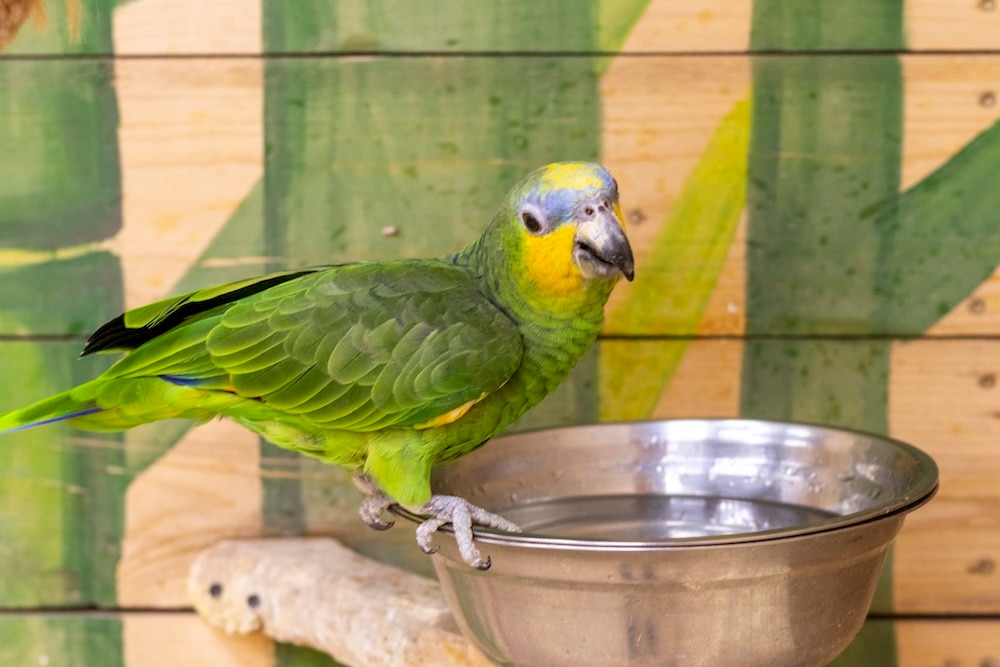
Photo by Viktor Pazemin/iStock/Getty Images Plus
Keeping your bird’s water clean isn’t just about appearance—it’s one of the most important keys to maintaining your pet’s good health. Fresh, clean water supports digestion, regulates body temperature, and helps every organ function properly.
But because birds often drop food, feathers, and even droppings into their water bowls, contamination can happen quickly. Keeping your bird’s water clean and safe is a simple daily habit that can reduce the risk of illness and encourage healthy hydration.
Key Takeaways
- Replace your bird's drinking water at least once a day, immediately if it becomes contaminated with food, feathers, or droppings.
- Wash the bowl with hot water and bird-safe soap every day, and disinfect it weekly to help prevent bacteria and biofilm buildup.
- Stainless steel bowls are durable, easy to sanitize, and less likely to harbor bacteria than worn plastic bowls.
- Watch for signs of dehydration or reduced water intake, and contact an avian veterinarian if you notice concerning symptoms.
Why Clean Water Is Essential for Your Bird’s Health
Just like humans, birds rely on clean drinking water every day. Water helps transport nutrients throughout the body, supports healthy digestion, and regulates body temperature. When water becomes contaminated with bacteria, mold, or debris, it can expose your bird to harmful microorganisms that may lead to digestive upset or infections.
Dirty water can also discourage your bird from drinking enough. Dehydration can become serious quickly, especially in small birds with fast metabolisms. Providing fresh, clean water every day is one of the easiest ways to support your bird’s overall health and well-being.
Change Your Bird’s Water Every Day
The simplest way to keep your bird’s water safe is to replace it every day. Even if the water looks clean, bacteria can begin to grow within hours.
You should change the water more frequently if:
- Your bird drops food into the bowl.
- Droppings or feathers contaminate the water.
- The weather is especially warm.
- You have more than one bird sharing a single water source.
Checking your bird’s water each morning and again later in the day helps ensure it stays fresh.
Clean the Water Bowl Thoroughly
Changing the water isn’t enough if the bowl itself isn’t clean.
Wash your bird’s water bowl daily with hot water and a bird-safe dish soap to remove any biofilm, which is a slippery layer of bacteria that can develop on surfaces. Rinse thoroughly to ensure no soap residue remains.
Once a week, give the bowl a deeper cleaning using a bird-safe disinfectant or diluted white vinegar. After cleaning, rinse well and allow the bowl to dry before refilling it with fresh water.
Avoid using harsh household cleaners like bleach unless specifically recommended by your veterinarian, and thoroughly rinse it away, as chemical residues can be harmful to birds.
Choose the Right Water Bowl
The type of water container you use can make a difference in keeping water clean.
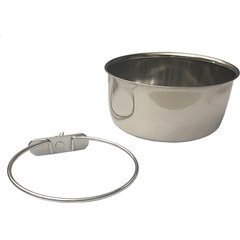
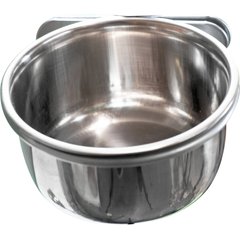
Stainless steel bowls are often the best choice because they are:
- Durable
- Easy to sanitize
- Resistant to scratches that can trap bacteria
Recommended Products
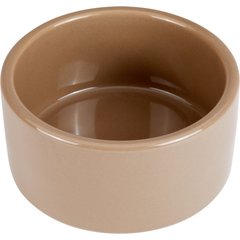
Ceramic bowls are another good option if they have a smooth, non-toxic glaze and are free of chips or cracks.
Recommended Product
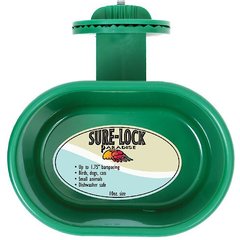
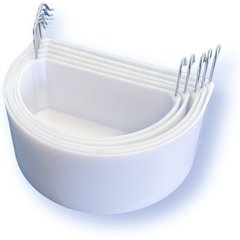
Plastic bowls are lightweight and inexpensive but can develop scratches over time, creating places for bacteria to hide. If you use plastic, inspect it regularly and replace it if it becomes worn.
Recommended Products
Keep Food and Debris Out of the Water
Birds naturally make a mess while eating, and water bowls can quickly become contaminated with seed hulls, pellets, feathers, or droppings.
To help keep the water cleaner:
- Place the water bowl away from food bowls whenever possible.
- Avoid positioning the water bowl directly beneath a perch, as droppings can fall into it.
- Remove visible debris from the water as soon as you notice it.
- Consider using cage-mounted cups that prevent accidental tipping.
A well-placed water bowl can stay cleaner for longer throughout the day.
Use Safe Drinking Water
In many areas, clean tap water is perfectly safe for pet birds. However, if your local water supply has known quality issues or high mineral content, filtered water may be a better option.
If you’re unsure about your water quality, review your local water report or speak with your avian veterinarian.
Avoid giving your bird distilled water as their only water source for extended periods unless specifically advised by an avian veterinarian, as it lacks naturally occurring minerals.
Whatever water source you choose, make sure it’s fresh, cool, and changed daily.
Watch for Signs of Dehydration
Even with clean water available, it’s important to monitor your bird’s drinking habits.
Signs your bird may not be drinking enough include:
- Lethargy
- Dry or unusually small droppings
- Sunken eyes
- Loss of appetite
- Fluffed feathers combined with unusual inactivity
If you notice these signs or suspect your bird is dehydrated, contact an avian veterinarian promptly. Early treatment can make a significant difference.
Knowing how to keep your bird’s water clean and safe is one of the easiest ways to protect your pet’s health. By changing the water daily, cleaning the bowl thoroughly, choosing hygienic bowl materials, and preventing contamination, you can reduce the risk of harmful bacteria while encouraging your bird to stay properly hydrated. Making these simple habits part of your daily bird care routine will help your feathered companion enjoy a healthier, happier life.
Frequently Asked Questions
How often should I change my bird’s water?
At a minimum, replace your bird’s water once every day. If it becomes dirty with food, feathers, or droppings, change it immediately.
Can birds drink tap water?
In most locations, yes. If your tap water is safe for people to drink, it’s generally suitable for birds as well. If you have concerns about contaminants or water quality, filtered water is a good alternative.
What is the best material for a bird water bowl?
Stainless steel is widely considered the best option because it’s durable, easy to clean, and less likely to harbor bacteria than scratched plastic bowls.
How do I remove slime from my bird’s water bowl?
Wash the bowl with hot water and bird-safe dish soap, scrubbing all surfaces thoroughly. For stubborn buildup, soak the bowl briefly in diluted white vinegar, rinse completely, and refill with fresh water.
Attributions
This article was created with assistance from AI tools. The content has been reviewed for accuracy and edited by a human.