Do Birds Sleep?


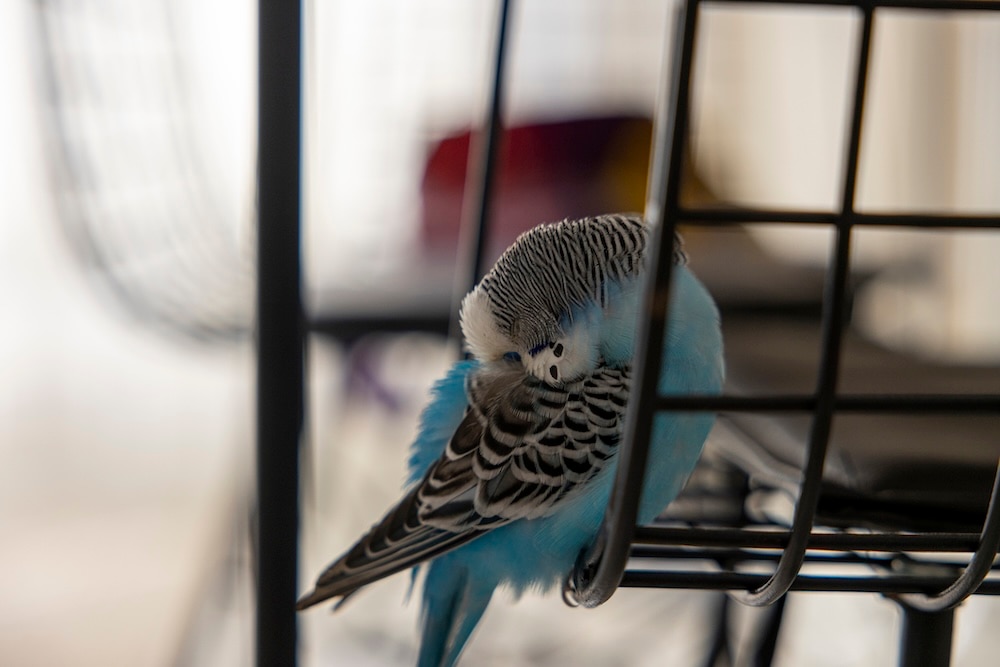
Photo by Tamer ALKIS/iStock/Getty Images Plus
Yes, birds sleep—and just like people, they need quality rest to stay healthy. Sleep restores energy, supports the immune system, lets the brain process what it has learned, and maintains normal behavior.
While their sleeping habits may look different, birds experience many of the same stages of sleep as mammals. Whether you have a budgie, cockatiel, conure, or macaw, understanding how birds sleep can help you create a routine that keeps your feathered friend happy and healthy.
Key Takeaways
- Like mammals, birds experience different stages of sleep and rely on adequate rest to support their health and behavior.
- Most pet birds need 10–12 hours of sleep. A consistent bedtime routine helps maintain healthy sleep patterns and reduces stress.
- Many birds sleep while perched, thanks to a tendon-locking mechanism that keeps them from falling.
- Reducing light, noise, and nighttime disturbances helps your bird get the uninterrupted sleep they need.
Do Birds Really Sleep?
Birds absolutely sleep, and researchers have found that they experience both slow-wave sleep and rapid eye movement (REM) sleep, which is the stage associated with dreaming in many animals. Sleep plays an important role in learning, memory, immune function, and overall health.
Like humans, birds who don’t get enough rest may become stressed or show changes in their behavior. While the exact amount of sleep varies by species, providing consistent, uninterrupted sleep is essential for all pet birds.
How Do Birds Sleep?
Birds have evolved some fascinating adaptations that allow them to sleep safely, even while perched.
Perching While Sleeping
Most pet birds sleep while standing on a perch.
Recommended Products
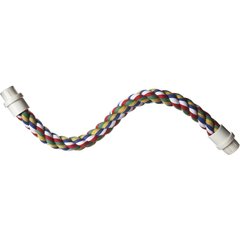

A specialized tendon-locking mechanism in their legs automatically tightens around the perch when they relax, allowing them to remain securely perched without falling.
This natural adaptation means your bird can sleep comfortably while maintaining a stable grip throughout the night.
Common Sleeping Positions
Birds may sleep in several different positions, including:
- Tucking their head beneath a wing
- Fluffing their feathers to conserve body heat
- Standing on one leg
- Leaning against or cuddling with a bonded cage mate
Each bird has their own preferred sleeping posture, and many use the same favorite perch every night.
How Many Hours of Sleep Do Pet Birds Need?
Most companion birds thrive with 10–12 hours of uninterrupted sleep each night. Larger parrots, including African greys, Amazons, and macaws, especially benefit from this amount of rest, while some smaller species may require slightly more or less depending on their individual needs.
Keeping a consistent sleep schedule is just as important as the number of hours. Putting your bird to bed and waking them at roughly the same time each day helps support healthy circadian rhythms.
Do Birds Sleep at Night?
Most pet birds are diurnal, meaning they are awake during the day and sleep after sunset.
Exceptions include nocturnal species, such as owls, who are active at night and sleep during the day.
Artificial lighting, televisions, and household activity can interfere with your bird’s natural sleep cycle. Dimming lights and reducing noise in the evening can help signal that it’s time to rest.
Signs Your Bird Isn’t Getting Enough Sleep
A bird who consistently misses out on quality sleep may show behavioral or physical changes.
Possible signs include:
- Increased irritability
- Excessive screaming or vocalizing
- Lethargy
- Reduced appetite
- Feather picking or other stress-related behaviors (though these can have many causes)
If your bird’s behavior changes suddenly or they seem unusually sleepy during the day, consult an avian veterinarian to rule out illness.
Tips for Helping Your Bird Sleep Better
Creating a healthy bedtime routine can improve your bird’s sleep quality and overall well-being.
Try these simple tips:
- Provide a quiet, low-traffic sleeping area.
- Maintain a regular bedtime and wake-up time.
- Turn off bright lights, televisions, and loud music before bedtime.
- Use a cage cover if your bird is comfortable with one and it doesn’t restrict airflow.
- Avoid waking or handling your bird during the night unless necessary.
Consistency is key. Birds often feel more secure when they know what to expect each evening.
So do birds sleep? Absolutely. Sleep is essential for your bird’s physical health, emotional well-being, and normal behavior. By providing 10–12 hours of uninterrupted rest, maintaining a consistent schedule, and creating a quiet, comfortable sleeping environment, you can help your feathered companion wake up healthy, active, and ready for the day.
Frequently Asked Questions
Can birds sleep with the lights on?
Some birds may doze in a lit room, but most sleep best in a dark, quiet environment that mimics natural nighttime conditions.
Why does my bird sleep on one leg?
Standing on one leg is completely normal for many bird species. It helps reduce heat loss and is often a sign that your bird feels relaxed and comfortable.
Do birds dream?
Because birds experience REM sleep, scientists believe they likely dream, although exactly what birds dream about remains unknown.
Should I cover my bird’s cage at night?
Some birds sleep better with a cage cover because it blocks light and reduces distractions. Others may not like being covered. If you choose to use one, make sure it allows for proper ventilation and doesn’t cause your bird stress.
Attributions
This article was created with assistance from AI tools. The content has been reviewed for accuracy and edited by a human.