Extra-Large Hookbill Care Sheet


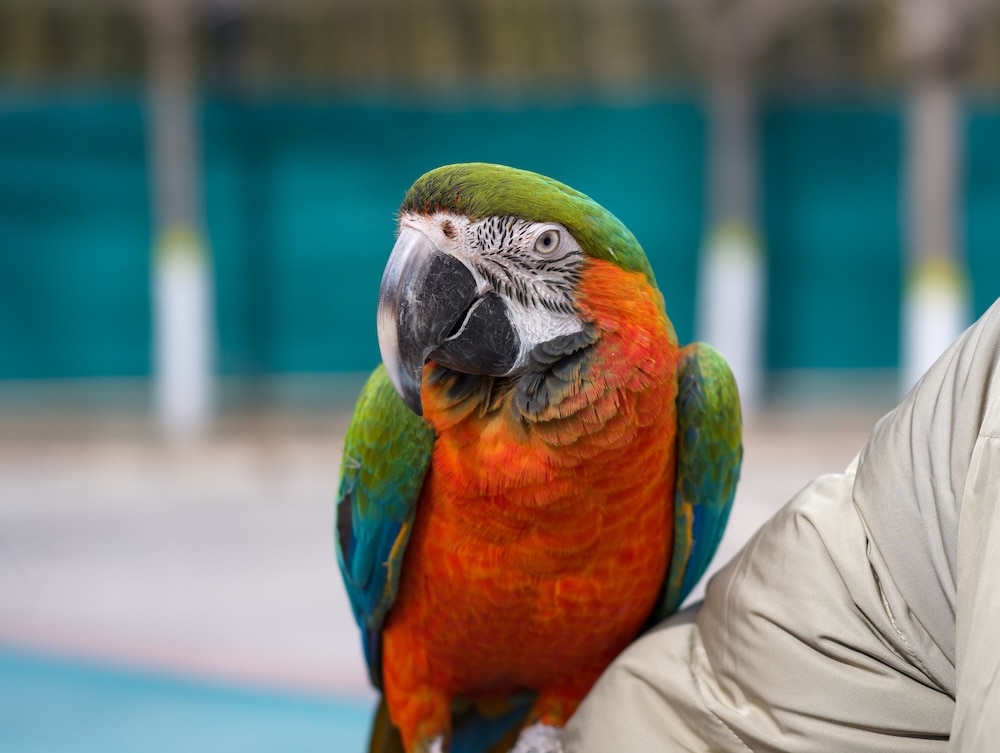
Photo by daqian dong/iStock/Getty Images Plus
Extra-large hookbills include impressive full–size macaws and large cockatoos. These birds form strong bonds with their humans and are extremely intelligent and affectionate. Extra-large hookbill lifespans can exceed 70 years, which makes having one a lifetime commitment.
Extra-Large Hookbill Overview
- Extra-large hookbill parrots measure roughly 24–40 inches, with large, extremely strong, curved beaks.
- They include full-size macaws like blue and gold, scarlet, and green-winged macaws, as well as large cockatoos.
- Bird personality and temperament varies between species, so research your chosen species before bringing them home.
Fun Facts About Extra-Large Hookbills
- Green-winged macaws measure over 36 inches from beak to tail.
- Blue and gold macaws can use tools and solve complex puzzles to get what they want.
- Extra-large hookbill parrots bond closely with their people and can live 30–70+ years as pets.
Extra-Large Hookbill Habitat
Always choose the biggest enclosure you can for an extra-large bird. Your pet must be able to fully extend their wings, climb, and move around without constantly bumping into things.
Recommended Product
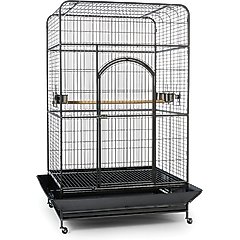
The absolute minimum-size enclosure is 48 x 36 x 66 inches, but bigger is always better, and some experienced keepers even convert entire rooms into hookbill parrot enclosures.
Full-size macaws are intelligent, intensely social birds who suffer when they’re isolated. The best place for your hookbill’s enclosure is in a central area of the home, where they can see and hear everything.
However, avoid placing their cage in or near the kitchen. Cooking fumes, especially those from nonstick cookware, can be fatal. Birds can also overheat, so don’t place their enclosure directly in front of windows or in direct sunlight. Also avoid placing it near or around plug-in air fresheners.
All hookbills are escape artists and can work the mechanisms on latches and slides to open their cage doors, so add an extra lock that they can’t reach. Some keepers use combination locks to prevent their feathered friends from escaping.
Stainless steel cage material is critical and must be rated for strength, with 1.5-inch bar spacing. The bars themselves must be heavy-duty and at least 12-gauge because extra-large hookbills can bend smaller wire.
You should also provide habitat bedding and liners, and clean your bird’s cage regularly—spot-clean daily and fully clean it at least once a week.
Recommended Product
Exercise and Enrichment
Keeping your extra-large hookbill happy and mentally satisfied is a challenge. They need at least three to four hours of supervised outside-the-cage time per day, which should include interaction with you—a non-negotiable part of being a pet parent to one of these birds.
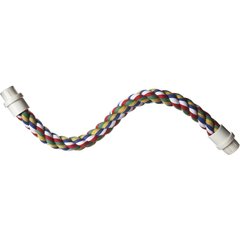
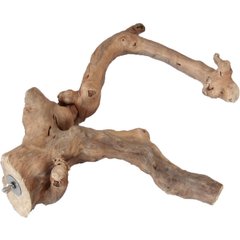
They also need a variety of sturdy perches in different diameters and materials. Hookbills chew constantly, so be sure all of their climbing ropes, swings, ladders, and perches are safe.
Recommended Products
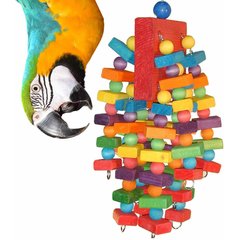
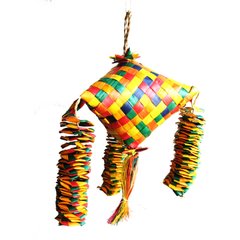
These inquisitive birds love exploring their environment, so a rotating selection of toys, including puzzle and foraging toys, will help keep their minds engaged and active, and also help prevent serious problems like aggression, feather plucking, and screaming episodes.
Recommended Products
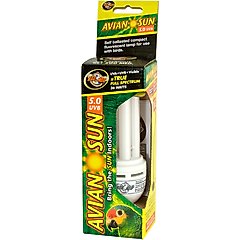
You should also add a UV light for your bird if they do not otherwise spend supervised time outside. Pet birds need UV lighting to help their bodies produce calcium.
Recommended Product
Extra-Large Hookbill Diet
These active birds need a diet rich in healthy fats. Their wild diet includes a large percentage of high-fat palm fruits and nuts, which should be reflected in your pet’s diet.
A healthy diet includes high-quality, species-appropriate pelleted food (50–60%), fresh vegetables and fruits (20–30%), and quality seeds and nuts (up to 20%).
Recommended Products
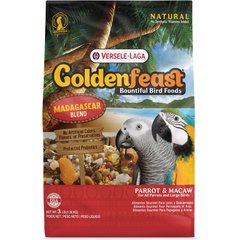
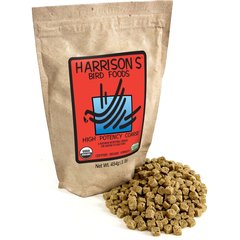
Nuts are a nutritional necessity for hookbills, and walnuts, almonds, pecans, macadamia nuts, and Brazil nuts are terrific choices.
Safe fruits and vegetables include:
- Mango and papaya
- Berries and melons
- Pomegranate
- Bell peppers in all colors
- Cooked sweet potatoes and squash
- Dark leafy greens like kale, romaine, and chard
- Green beans and snap peas
- Cooked whole grains like brown rice and quinoa
Remove uneaten fresh food after two to three hours to prevent spoilage, and be sure to clean and refill their water bowl daily.
Note: Never feed your bird avocado, onion, garlic, chocolate, caffeine, alcohol, or fruit pits. They are toxic and sometimes fatal, even in small amounts.
You can also offer your bird cuttlebones for calcium support. Calcium is essential for healthy bones and feathers, as well as for keeping high energy levels.
Recommended Product
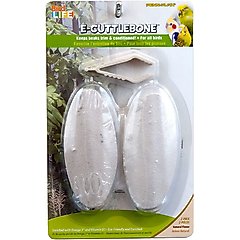
Always provide your bird with fresh, clean water. Don’t place any food or water bowls under perches, as they may become fouled with droppings.
Extra-Large Hookbill Handling
Learning to handle your extra-large hookbill takes patience and consistent effort. They’re socially and emotionally complex birds who remember all experiences, especially strong negative ones. If you lose their trust, it will take a long time to earn it again.
An extra-large hookbill’s size also means they can cause serious injuries when frightened or agitated, so learn about your hookbill’s body language before you handle or pet them. A bird who wants attention will often move toward you, their posture will be loose and open, and they may also make soft vocalizations.
Build trust before trying anything else:
- Spend quiet time near their enclosure without forcing contact.
- Offer treats to build positive associations.
- Teach the “step up” cue by gently pressing the back of your hand to their lower chest and waiting for them to move onto your hand, then reward the behavior. Always use your full hand or wrist, not just fingers to avoid injury.
- When your extra-large hookbill is ready to come out of their cage, do it in an enclosed, bird-proofed room with no escape routes or fans.
- Never grab, chase, or physically restrain your bird. They will remember the fear, and you may both get hurt.
Signs your hookbill does not want attention include:
- Lunging or beak snapping
- Flared tail feathers or raised neck feathers
- Pinned eyes (rapidly dilating pupils)
- Growling, hissing, or sharp alarm calls
- Rigid body posture
- Turning away or trying to move away
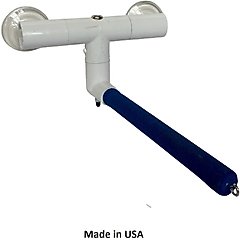
To allow an extra-large hookbill to bathe, most bird owners provide a shower perch since it’s easier for larger birds to bathe in the water and steam of a human shower.
Due to the size of the bird, nail, wing, and beak trimming, if needed, should be performed by a veterinarian.
Recommended Product
Large Hookbill Health
Having annual checkups with an avian veterinarian is crucial. When you take your hookbill to see the vet, bring photos of your bird’s enclosure, toys, and a typical day’s diet. Giving your vet a complete picture of their daily life helps them identify possible problemsand prevent health issues.
Birds hide illnesses like experts, often long enough to become critically ill, so by the time you see symptoms, their condition may be urgent.
Healthy extra-large hookbills are alert, engaged, and vocal. They’re also intensely curious about the world outside their cage. Their eyes should be bright and clear, their nostrils should be clean, and their beak should be symmetrical and properly aligned. Healthy hookbills have full and well-maintained feathers, clean, sore-free feet, and consistent droppings.
Contact your avian vet immediately if you notice any of the following:
- Eye or nasal discharge
- Facial swelling
- Labored, noisy, or open-mouthed breathing
- Feather plucking, abnormal feather growth, or bloody feathers
- An overgrown, broken, or misaligned beak
- Vomiting
- Lumps or open sores
- Change in color, consistency, or frequency of droppings
- Unusually quiet or withdrawn
- Poor balance or an odd head tilt
- Loose stool
- Weight loss
Birds are very sensitive to airborne toxins, and extra-large hookbills are no exception. Scented candles, incense, aerosol sprays, air fresheners, and nonstick cookware fumes can cause extreme respiratory problems or death. Because of these dangers, many bird owners remove these items from their homes.
Heavy metals can also be a problem, so avoid cage hardware, toys, or accessories that contain lead, zinc, or galvanized metal. Birds explore their world with their mouths and can ingest dangerous amounts of heavy metals over time.
Supply Checklist for Large Hookbills
Before you bring your extra-large hookbill home, get their cage ready:
- Heavy-duty cage (minimum 48 x 36 x 66 inches for most species)
- High-quality, species-appropriate pelleted food
- Separate fresh and dry food bowls (stainless steel is durable and easy to clean)
- Water bowl
- Healthy treats for bonding and training
- Heavy-duty perches in various materials and diameters
- Cuttlebone and mineral block with holders
- Full-spectrum UV lighting or supervised natural sunlight for 10–12 hours daily
- Rotating selection of large bird-safe toys
- Play stand or gym outside their cage
- Cage liners or bedding
- Misting spray bottle or shower perch
- Heavy-duty, appropriately sized carrier for vet visits
FAQs About Large Hookbills
How much space do extra-large hookbills need?
More than you realize—their wingspan alone can exceed 36 inches. Cages need to be at least 48 x 36 x 66 inches for most extra-large hookbill species.
Are macaws good first-time pets?
Absolutely not. These birds can do severe damage to inexperienced keepers and have significant daily needs. Extra-large hookbills are best adopted by advanced bird keepers only.
Attributions