Bird Perches: Types and Placement


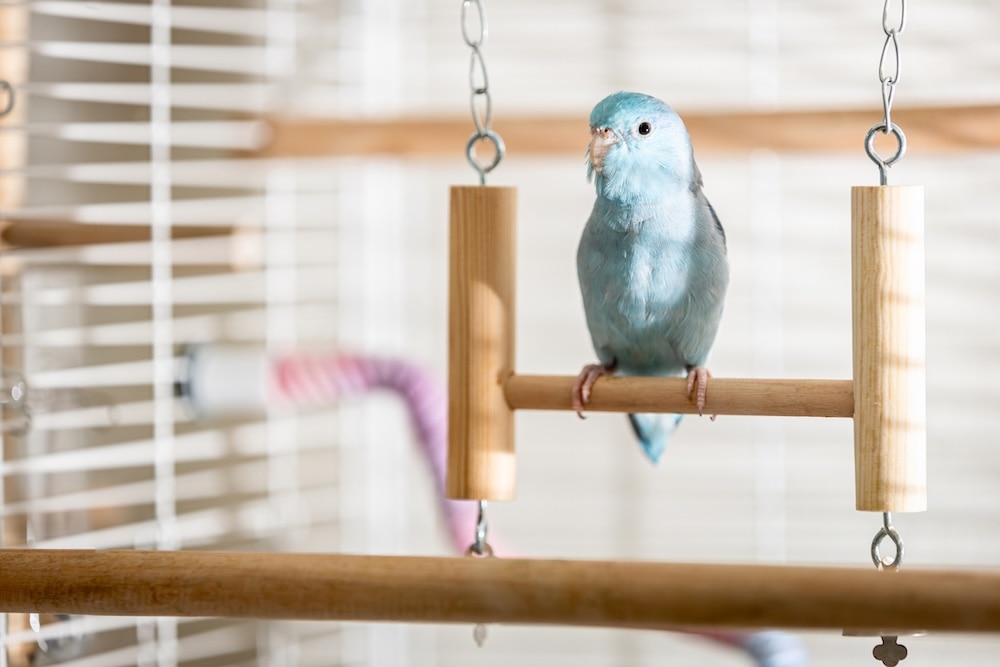
Photo by Satjawat Boontanataweepol/iStock/Getty Images Plus
Bird perches may look like simple cage furniture, but to your feathered family member, they are the couch, bed, gym, lookout tower, and snack-adjacent hangout spot. The right bird perches can help your bird rest, climb, stretch, and move around their cage in a more natural way.
A good bird cage setup is not about finding one perfect perch, it’s about offering variety. Different perch sizes, textures, and placements can help your bird change foot position throughout the day. That matters, because standing on the same type of perch all day can be hard on those tiny toes.
Key Takeaways
- Bird perches come in several sizes, shapes, and textures.
- Natural wood, rope, and platform perches can all have a place in a bird cage setup.
- Sandpaper perch covers are not recommended because they can irritate birds’ feet.
- Place bird perches so droppings do not fall into their food or water.
- Call an avian veterinarian if your bird has sore feet, trouble gripping, or changes in perching.
Why Bird Perches Matter
Birds use perches for much more than resting. They hop between them, walk across them, sleep on them, chew them, and use them to reach food, water, and toys. Therefore, bird cages should have enough room for multiple perches, as well as toys and space for normal movement.
Variety is the key. Perches featuring varying diameters and textures encourage your bird’s feet to grip in different ways, and this can help keep their feet healthy, while also keeping their environment interesting and supporting daily activity.
Types of Bird Perches
Most birds do best with a mix of safe perch types rather than a cage filled with identical dowels. Here are the main options pet parents should know about:
Natural Wood Bird Perches
Natural wood perches are popular because real branches are not perfectly straight or smooth. Their uneven shapes give birds different spots to grip. Clean, bird-safe, pesticide-free, natural wood branches can also give birds something to chew.
Recommended Products
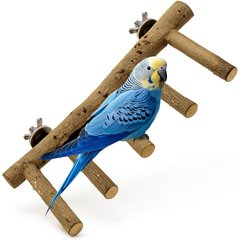
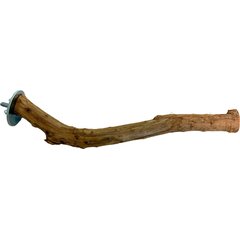
Use only wood known to be non-toxic for birds. Avoid branches from areas treated with pesticides, herbicides, or road chemicals. Before adding a branch to the cage, check for mold, sharp points, cracks, or loose bark that could trap a toe. When in doubt, choose a bird-safe commercial natural wood perch.
Rope Bird Perches
Rope perches add a softer texture, and can often bend into different shapes. They are handy for birds who like to climb or need a flexible route across the cage.
Recommended Products
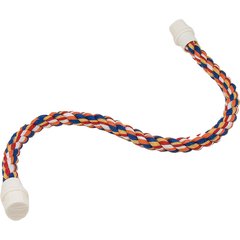
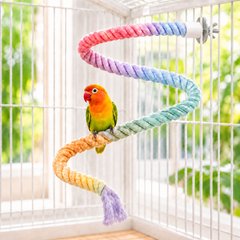
The catch? Rope needs regular checks. Remove rope perches if you see fraying, loose threads, or loops that could catch a toe, nail, or beak. A rope perch should be enrichment, not a booby trap.
Wooden Dowel Perches
Many cages come with straight wooden dowels. These are not automatically bad, but they should not be the only bird perches in the cage. A dowel that’s the same diameter along its entire length asks the feet to hold the same position over and over. Perches featuring varying diameters and textures encourage your bird’s feet to grip in different ways, and this can help keep their feet healthy, while also keeping their environment interesting and supporting daily activity.
Recommended Product
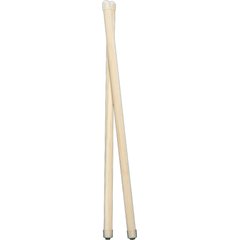
If you use a dowel, pair it with natural wood, rope, or other safe textured perches. Also, replace dowels that become splintered, wobbly, or hard to clean.
Platform Bird Perches
Platform perches give birds a flat place to rest.
Recommended Product
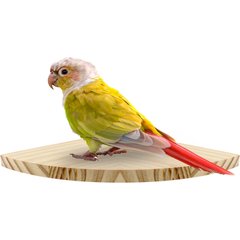
Keep them clean and dry, and ask an avian veterinarian if your bird suddenly chooses flat surfaces instead of gripping a perch. This behavior may indicate your bird has a foot issue.
Cement, Grooming, and Sandpaper Perches
Some textured perches help wear down a bird’s nails. One cement or grooming perch may be useful in a varied setup, but it shouldn’t be your bird’s main sleeping or resting perch. Standing on rough surfaces for long periods can be uncomfortable for the feet.
Sandpaper perch covers are best left out of the cage. They can create painful sores on the bottoms of birds’ feet. If your bird’s nails grow too long, ask an avian veterinarian or trained professional about clipping them and how to prevent overgrown nails in the future.
How To Choose the Right Bird Perch Size
Bird perch size depends on your individual bird’s feet. A general rule is that the foot should wrap around about 2/3 to 3/4 of the perch’s circumference. The toes should grip securely, and the foot should not be forced flat or curled too tightly.
Because birds vary so much in size, from tiny finches to large parrots, there is no one-size-fits-all answer. Offer a few appropriate diameters so your bird can change positions. If they avoid a perch, slip often, or seem uncomfortable, that perch is not the right fit.
Where To Place Bird Perches in a Cage
Good bird perch placement makes the whole cage easier and safer for your bird to navigate. Start by placing perches so your bird can move comfortably from food to water, toys, or resting spots, ensuring the accessories and perches don’t crowd the cage.
Avoid placing perches directly over food or water bowls, as that setup can turn dinner into an unhygienic dropping zone. Also make sure your bird’s tail does not constantly rub against cage bars when they sit on a perch.
For birds who fly across wide cages, such as finches, widely spaced perches on opposite sides of the cage can encourage movement. For climbing birds, such as many types of parrots, several well-placed perches can create routes around the cage. Always leave open space for wing stretching and play.
A sleeping perch should be stable, appropriately sized, and placed in a quiet area of the cage. Many birds prefer a high perch for sleep, but it should still be easy and safe to reach.
How Many Bird Perches Should You Use?
There is no magic number of bird perches. The cage should have enough perch options to offer variety, but not so many that your bird cannot move around comfortably. A small cage packed with perches can quickly become an obstacle course.
As a general guide, include a few safe perches of different sizes and textures that are appropriate for your bird’s species. Then adjust as needed, based on your bird’s comfort, activity level, and any changes in cage layout.
When To Call an Avian Veterinarian
The wrong types of perches can contribute to foot discomfort, but foot problems can also come from illness, injury, nutrition issues, or age-related changes. Contact an avian veterinarian if you notice redness, swelling, sores, limping, trouble gripping, falling, or a sudden change in where your bird chooses to perch.
Your vet can help you choose perches that match your bird’s size, health, and daily habits. With the right setup, their cage will feel less like a box of sticks and more like a tiny, bird-approved activity center.
Attributions
This article was created with assistance from AI tools. The content has been reviewed for accuracy and edited by a human.