Should I Adopt a Bird?


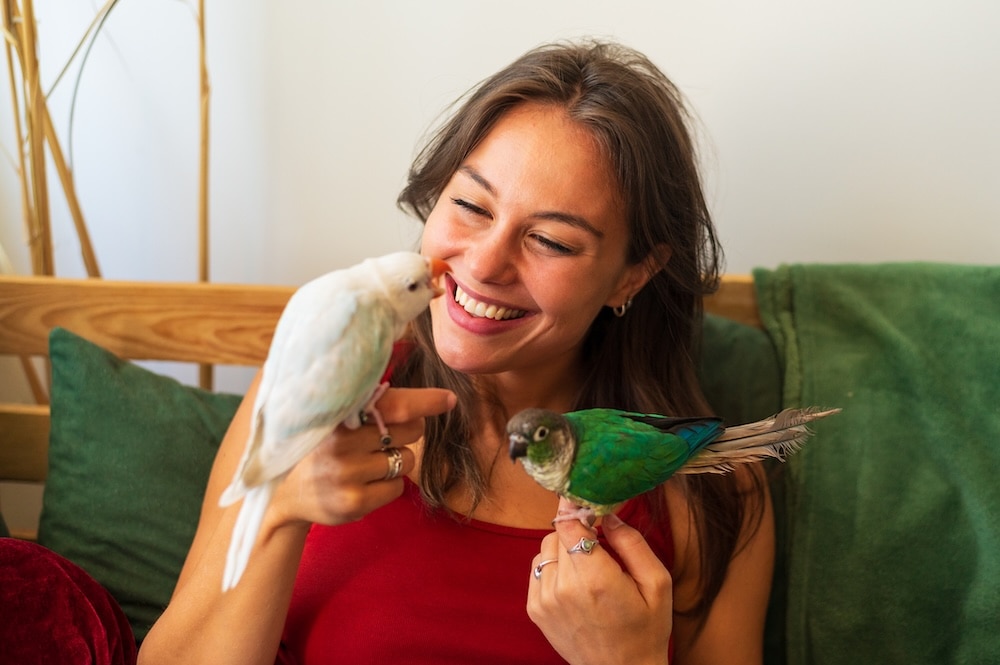
Photo by Slavica/iStock/Getty Images Plus
You may meet a colorful or chatty parrot and wonder, “Should I adopt a bird?” Pet bird adoption can be a rewarding way to offer a loving home and a fresh start to a bird in need. A well-socialized pet bird can be an affectionate companion, and a highly intelligent one at that. But bird ownership also comes with responsibilities that a first-time bird owner can easily underestimate.
Key Takeaways
- Birds need daily care, enrichment, and social interaction.
- Lifespan, noise, mess, space, and cost vary significantly by species.
- Access to an avian veterinarian is an important part of responsible bird ownership.
- Research the species and individual bird before adopting.
Are Birds Good Pets?
Birds are smart and sensitive companions with a remarkable ability to learn and adapt to their environment. Many birds are known for playful antics and their ability to learn tricks and mimic human speech and sounds. Life with a bird can also include affectionate interactions like petting their head and neck.
Pet birds can also exhibit a bit of stubbornness. Some require constant redirecting, while others demand your attention. So although adopting a bird can be rewarding, a feathered companion is not a low-maintenance pet. Preferences and care needs can vary considerably between bird species and individuals within a species.
7 Things To Consider Before Adopting a Bird
1. Time and Attention
Welcoming a pet bird into your home means you will be their daily feeder, cleaner, and activities director.
Fresh water must be served daily (more frequently if they dunk their food in the water bowl) along with a nutritionally balanced diet supplemented with fresh produce and other healthy foods.
Birds are messy eaters, and their wing flapping will inevitably scatter debris and dander, so expect to sweep or vacuum around your bird’s area frequently.
Another important consideration is that many birds are natural flock animals. Your feathered companion will view you and others in the household as part of the flock, so you must budget time for social interactions.
Pet birds need enrichment to thrive, including supervised out-of-cage time for some species. Toys to chew up, swings and boing ropes to jump on, and safe climbing and exploring opportunities help keep a bird mentally and physically healthy.
Recommended Products

2. Lifespan
Birds can be long-lived, especially when compared to other types of pets, so be prepared for a long-term commitment.
Birds can live for several years to decades, depending on species. Generally, the smaller the size, the shorter the average lifespan. Small birds like budgies/parakeets can live 10–12 years; cockatiels and conures 20+ years; and larger parrots like African greys, Amazon parrots, and macaws can live well beyond 50 years.
Before adopting a pet bird, consider whether you’re prepared to provide consistent care and a loving home for many years to come. You will also need to have plans in place to ensure your bird will be cared for if you are someday unable to.
3. Noise and Mess
One important thing to know before getting a bird is they can create a fair amount of noise and mess. Bird vocalizations range from soft whistles and chatter to piercing shrieks, spot-on imitations of appliances, learned words or phrases on repeat, and many other sounds.
If you have noise-sensitive household members or share walls with neighbors, consider smaller bird species, which tend to have less earsplitting vocalizations compared to larger parrots. Bear in mind that although certain species are naturally quieter than others, every bird is unique and vocalizations can vary among individuals.
Cage cleaning, wiping up droppings, and sweeping up discarded food, feather debris, and shredded toys are also all part of bird ownership.
If you or anyone in the household is highly sensitive to dander, you will need to be extra fastidious with cleaning the bird cage and accessories. Cockatiels, African greys, cockatoos, doves, and pigeons produce heavy amounts of powder down, so you might consider a less dusty species, such as a budgie or lovebird.
4. Space and Housing
Pet bird housing is not one-size-fits-all; each species has different needs. The cage should be set up with your bird’s needs in mind, as this is where they are going to spend the most time.
The larger the bird, the larger the cage, toys, perches, play gym, and overall space in your home need to be. The cage must also have appropriate bar spacing and perches, based on your bird’s size.
Pet birds thrive when offered safe and positive interactions. This includes spending out-of-cage time in a bird-proofed area, such as a small room away from hazards like kitchen stoves, open doors and windows, ceiling fans, and other pets.
5. Cost
The cost of owning a bird is another important factor to consider.
Many pet bird rescues and adoption organizations have an adoption fee that can range from $25 to hundreds of dollars, depending on the species, to help cover their housing and veterinary expenses.
An adequate cage and cage accessories will be one of the bigger initial expenses, and a steady supply of food and toys (which are designed to be destroyed) will be part of ongoing costs.
Veterinary care must also be factored into the budget, and this includes an annual wellness exam that may include lab work such as blood and fecal tests, as well as follow-up care and unexpected care costs.
6. Avian Veterinary Care
Before adopting a bird, find a qualified avian veterinarian within a reasonable driving distance. If you aren’t sure where to go, consider asking a bird rescue organization for recommendations.
An annual vet visit can help spot potential ailments and conditions before they become life-altering and more expensive to treat.
Accidents can and do happen with pet birds (e.g., being stepped on, ingesting something toxic, being attacked by another pet, foot/toe injuries, landing on a hot stove), so know where to take your bird in case of emergency, including the closest after-hours clinic that treats birds.
Be proactive and set funds aside each month or quarterly for your bird’s care to cover unexpected costs.
7. Your Household
A bird in the house will affect all who reside there to some degree. Make sure everyone is prepared for the bird’s care and behavior.
Young children will need supervision around the bird; they should be taught safe handling, including not forcing interactions.
Some bird species are naturally more vocal and capable of producing ear-piercing calls, frequent screeches, or near-constant chatter. If you have noise-sensitive household members, consider a quieter bird species.
If you have other pets, be extra vigilant in keeping your bird safe. Never assume that a cat or dog can safely interact with a bird.
Make sure all household members are aware of whenever the bird is out of the cage. Birds can escape through an open door or window, or injured by a hot stove or a spinning ceiling fan. This is especially important if the bird is fully flighted.
What Type of Bird Is Right for Me?
Finding the right pet bird to adopt depends on your experience, expectations, and living situation.
- Smaller bird species are generally easier to care for in terms of space and cost, and their vocalizations may be quieter, too. Budgies, cockatiels, certain conures, finches, and canaries can be wonderful companions for first-time bird owners and those who share a wall with neighbors who might have noise complaints.
- Larger parrots can have big personalities and louder vocalizations, as well as longer lifespans, so make sure you are able to accommodate their long-term needs.
- Talking ability should never be the only consideration. There are many fantastic birds in need of good homes who don’t talk but whose personalities shine in many other ways.
Where To Adopt a Bird
Search online for reputable bird rescues, bird clubs, and animal shelters, or ask an avian veterinarian for organizations to reach out to.
Expect a thorough adoption process. Reputable pet bird adoption organizations won’t adopt out a bird to just anyone. They want to ensure you can provide a good home, and will want to know your living situation, pet experience, and expectations.
Many adoption organizations require attending online or in-person classes on bird care, especially for first-time bird owners and those interested in adopting a larger parrot.
A reputable bird rescue/adoption organization can answer questions about a bird’s health, diet, behavior, and history, and will be transparent about adoption fees and policies.
If the organization states it is a nonprofit, you can verify its 501(c)(3) status.
You could also volunteer to foster for a bird adoption organization. This allows you to care for a bird in need of a home for a few weeks, months, or longer before fully committing to bird ownership. Fostering is a great way to meet your perfect bird match.
Rescuing a bird in need can allow you to share your home with an intelligent and beautiful pet. When adopting a pet bird, just be sure they realistically fit your lifestyle, budget, home, and ability to provide loving, lifelong care.
Attributions