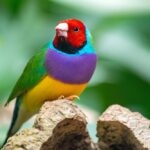
Best Pet Birds for Beginners: Friendly, Easy Birds for First-Time Owners

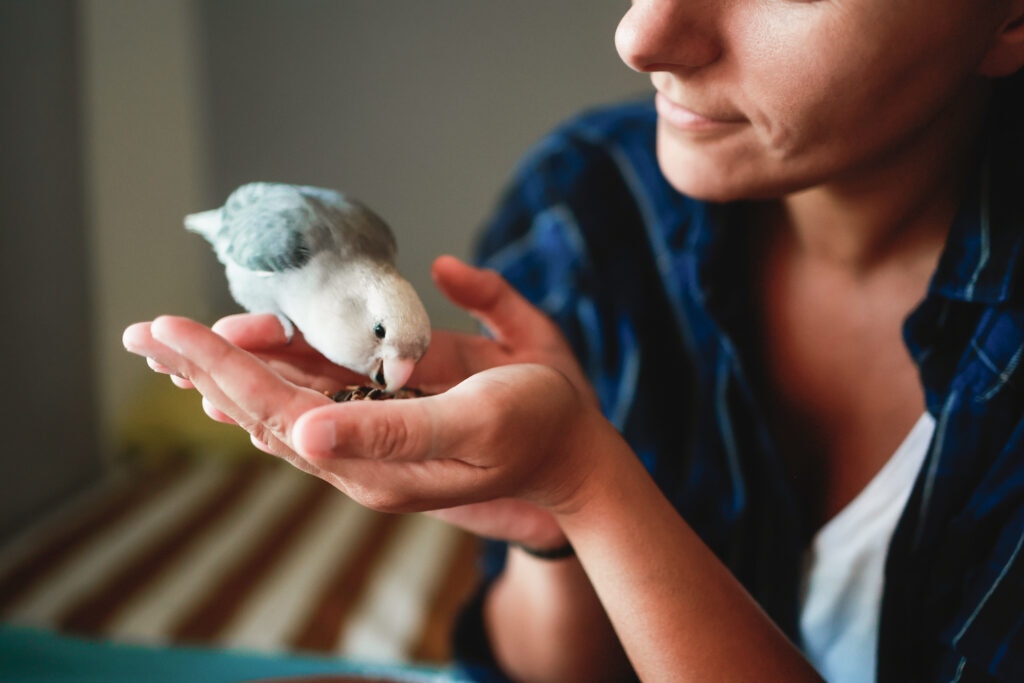
Photo by Vanessa Nunes/iStock/Getty Images Plus
Bringing home your first pet bird is exciting—but choosing the right species makes all the difference. While birds are intelligent, social, and entertaining companions, some require far more time, space, and experience than others.
If you’re new to bird ownership, starting with a beginner-friendly species can help set you (and your feathered friend) up for success. Below are some of the best pet birds for beginners, plus tips to help you decide which one fits your lifestyle.
Key Takeaways
- The best pet birds for beginners are manageable in size and friendly in temperament, with care needs that align with a first-time owner’s lifestyle and experience level.
- Budgies, cockatiels, lovebirds, green-cheeked conures, canaries, and finches are popular starter birds, each offering different levels of interaction, vocalizations, and activity.
- Even beginner-friendly birds require daily care, enrichment, and attention, along with routine veterinary visits to stay healthy and happy.
- Choosing the right bird means considering your time, space, budget, and long-term commitment to ensure a successful, lasting bond.

What Makes a Bird Good for Beginners?
The best beginner pet birds typically share a few important traits: manageable size, friendly temperament, moderate noise levels, and relatively straightforward care needs.
It’s also important to consider lifespan. Even small birds can live 10–20 years or longer. Choosing a bird means committing to daily feeding, cage cleaning, enrichment, and social interaction for years to come.
With realistic expectations and proper preparation, first-time bird owners can build a rewarding bond with the right species.
Budgies (Parakeets)
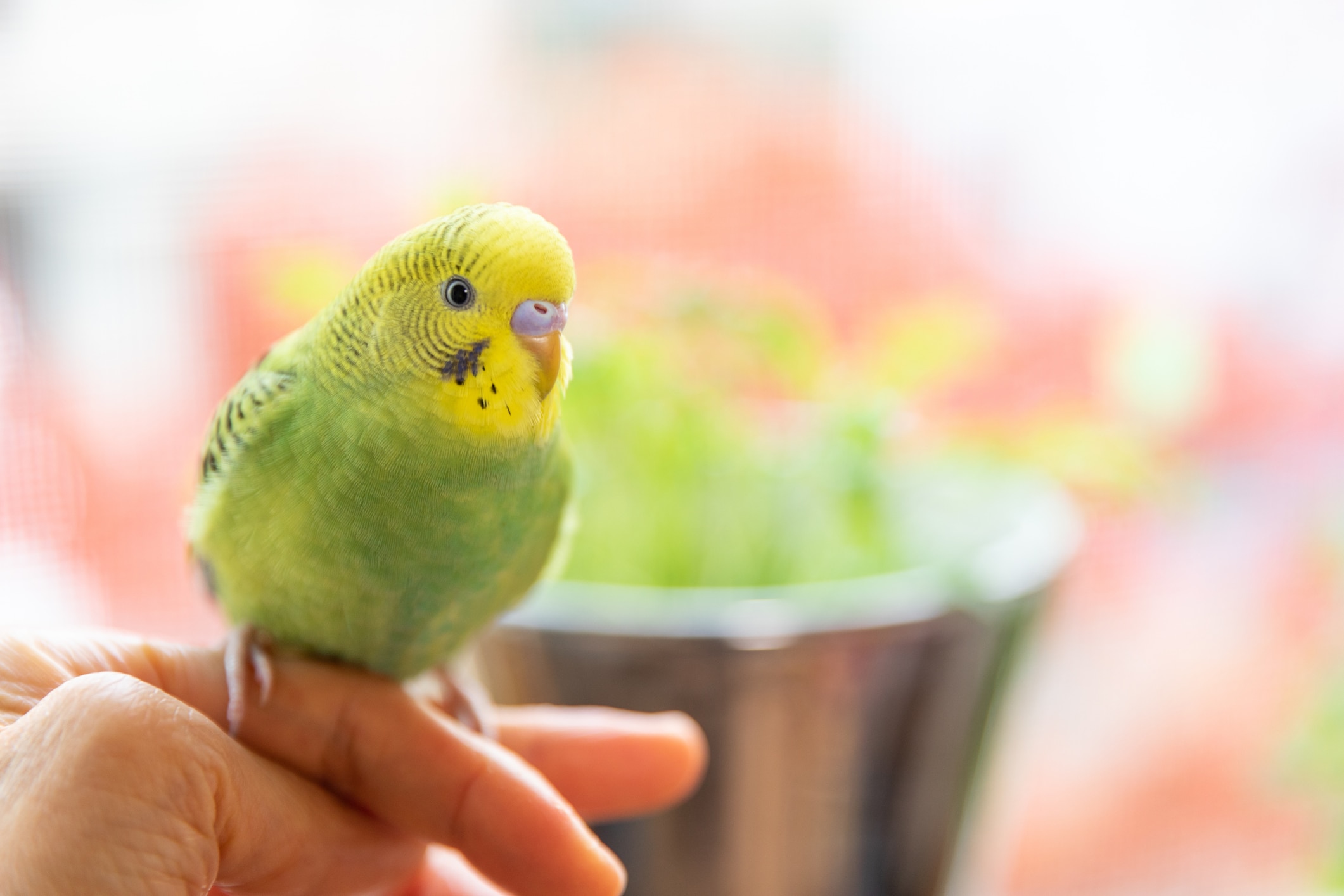
Photo by kumikomini/iStock/Getty Images Plus
Budgies—also known as parakeets—are often considered the best pet birds for beginners. These small, colorful parrots are friendly, adaptable, and widely available, making them an accessible choice for first-time owners.
Despite their small size, budgies have big personalities. With regular handling and socialization, they can become affectionate companions. Some even learn to mimic words and perform simple tricks. Their playful nature makes them especially fun for families and individuals alike.
Budgies are relatively easy to care for, requiring a properly sized cage, a balanced diet of pellets and fresh produce, and daily interaction. They typically live 5–10 years, though some may live longer with excellent care.
Recommended Products

Cockatiels
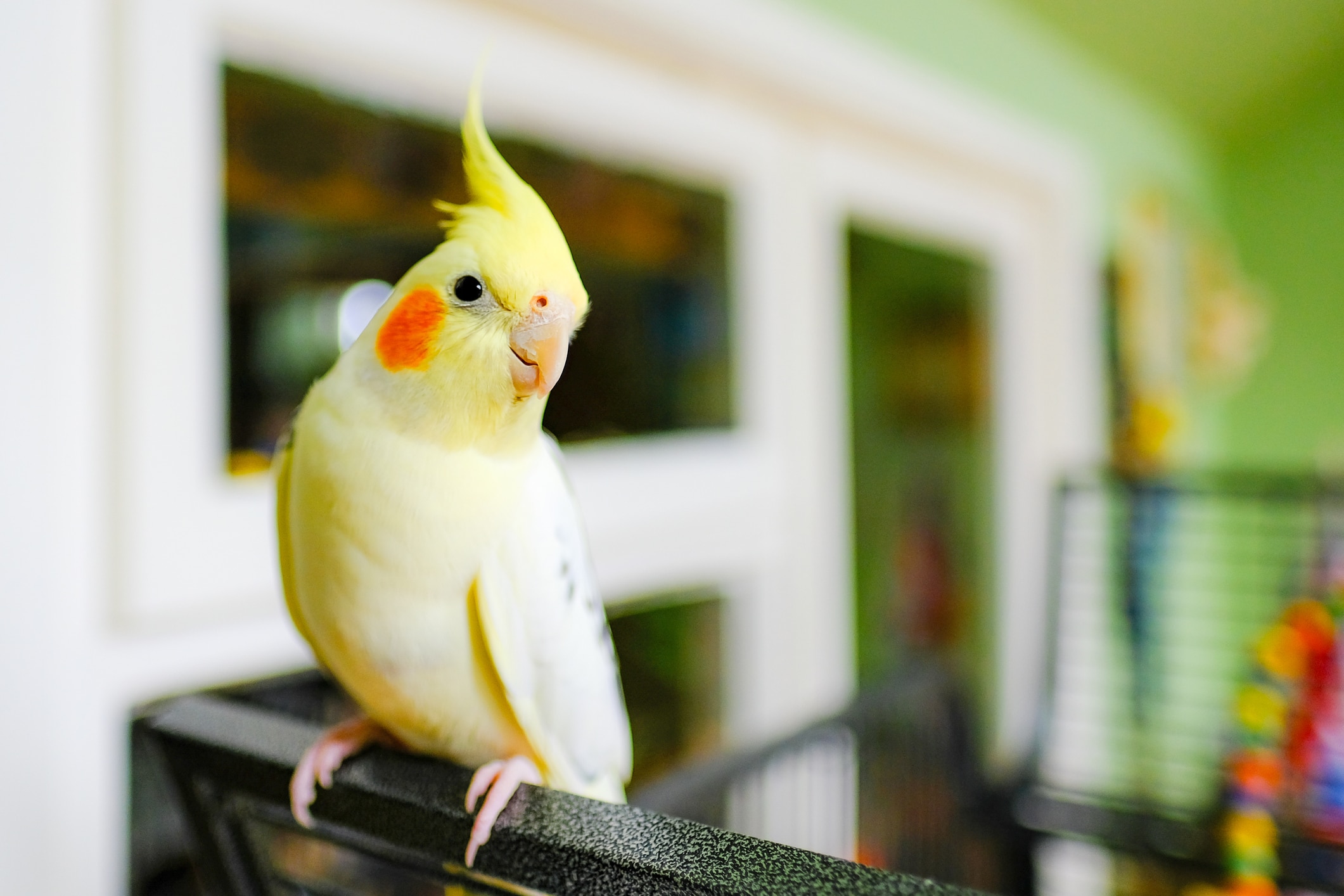
Photo by Nickbeer/iStock/Getty Images Plus
Cockatiels are larger than budgies and are known for their gentle, affectionate personalities. Many enjoy perching on your shoulder and whistling cheerful tunes.
These birds are social and thrive on daily interaction. While they can be vocal, their sounds are usually softer and more melodic than larger parrots. Males, in particular, are known for whistling and mimicking household noises.
Cockatiels generally live 15–20 years or more, so they require a longer commitment. For beginners who want a cuddly, outgoing bird with a sweet temperament, cockatiels are often a great fit.
Lovebirds
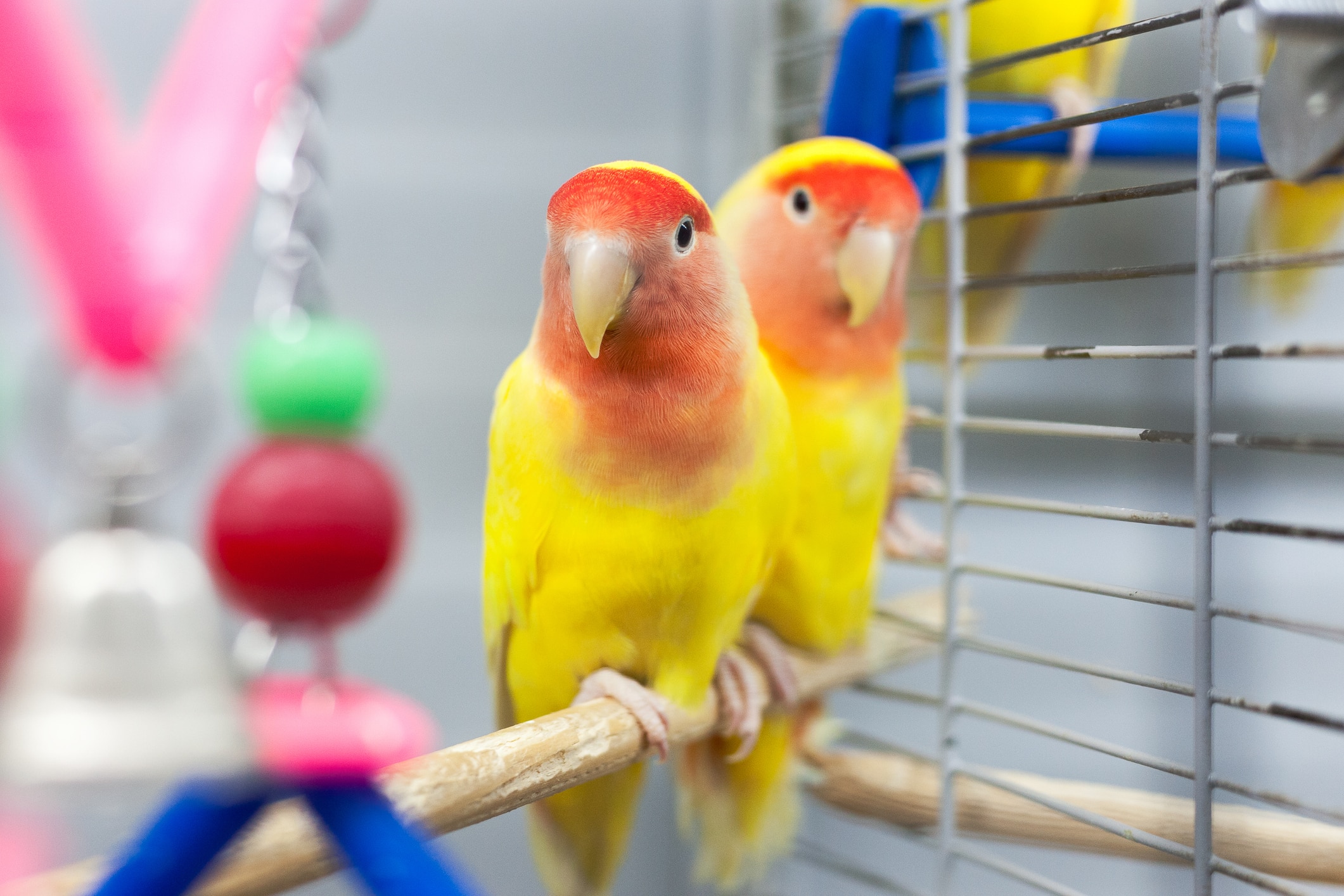
Photo by Andrii Atanov/iStock/Getty Images Plus
Lovebirds are small parrots with bold personalities. They form strong bonds with their family and are known for being playful, curious, and energetic.
Although small, lovebirds can be a bit more assertive than budgies. Early socialization is key to preventing nipping or territorial behavior. With consistent handling, they can become affectionate and loyal companions.
Lovebirds typically live 10–15 years. They do best with engaged owners who can provide daily enrichment, toys, and interaction.
Recommended Products
Green-Cheeked Conures
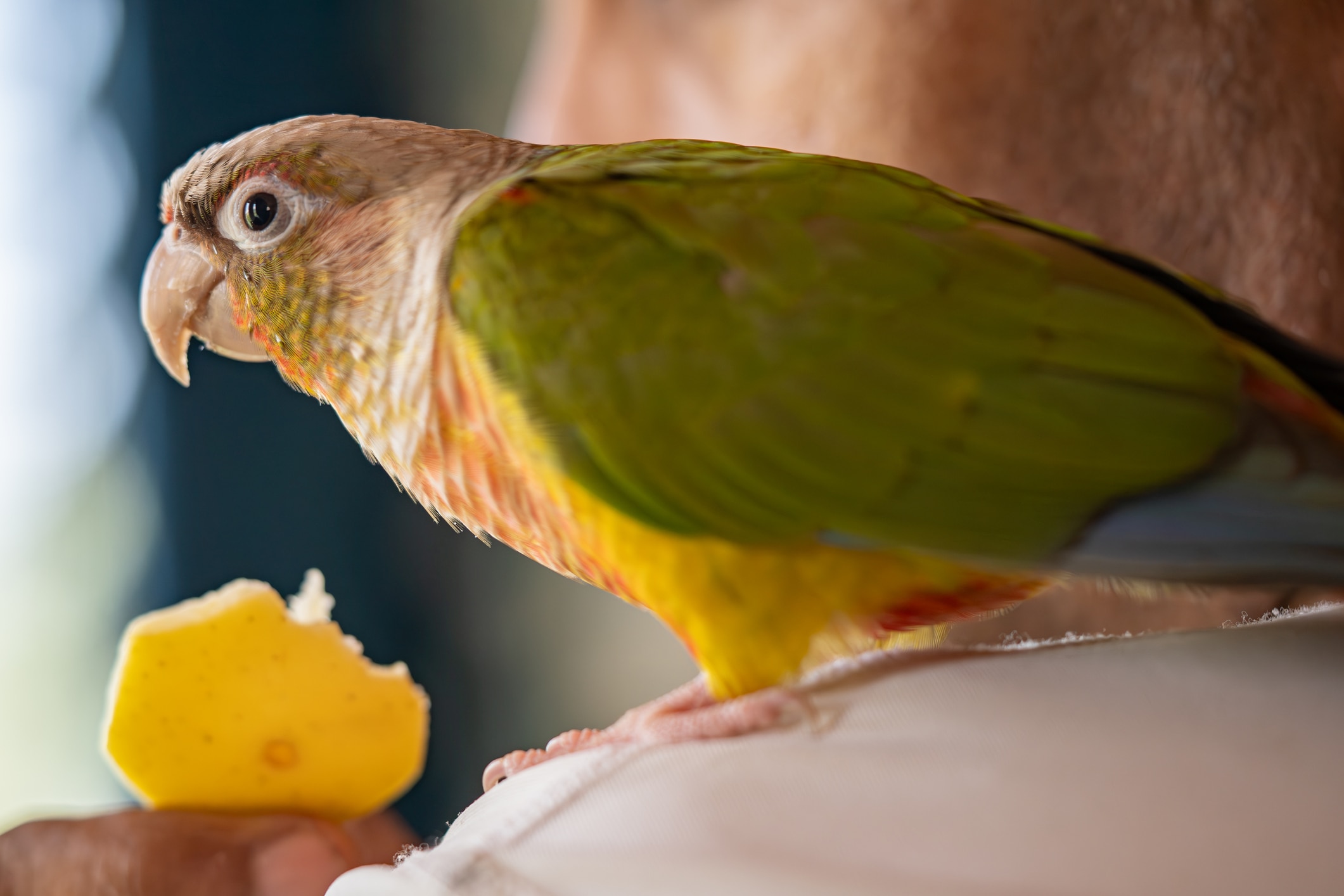
Photo by Sina Salehian/iStock/Getty Images Plus
Green-cheeked conures are often recommended for beginners who want a slightly larger, more social parrot. Compared to other conure species, they tend to be quieter but they still have moments of excitement during which they can be loud.
These birds are affectionate, intelligent, and highly trainable. Many enjoy cuddling and learning tricks, making them a rewarding choice for anyone who wants hands-on interaction.
Green-cheeked conures can live 20 years or more, so they require a significant long-term commitment. They thrive with consistent attention and mental stimulation.
Canaries
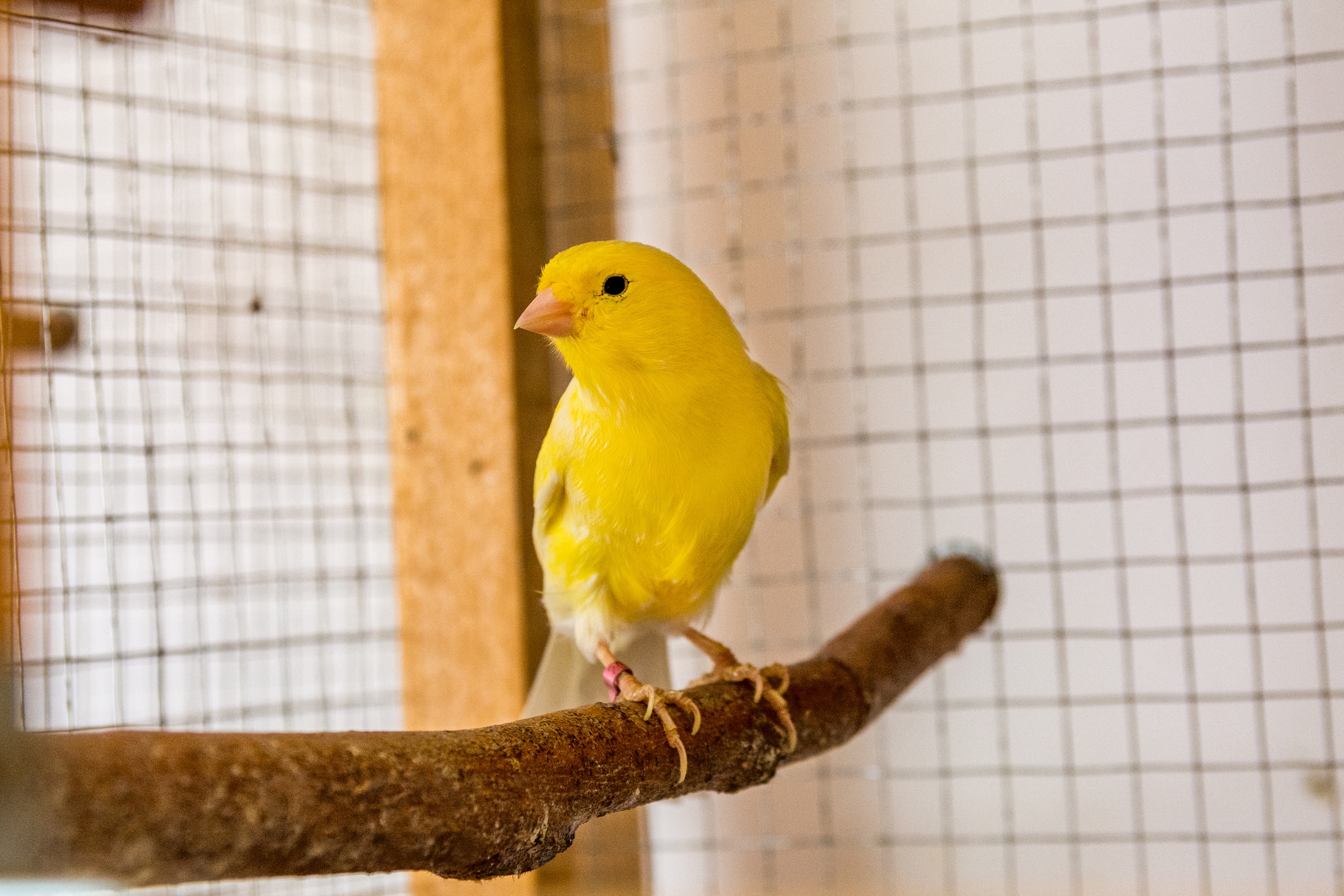
Photo by Slavica Stankovic/iStock/Getty Images Plus
Canaries are an excellent option for beginners who prefer a more independent bird. Unlike parrots, canaries are typically not hands-on pets and are better suited for observation rather than cuddling.
Male canaries are especially known for their beautiful singing. Their cheerful songs can add life to a home without the louder calls associated with larger parrots.
Because they don’t require as much direct handling, canaries can be considered relatively low-maintenance. They usually live 10–15 years and do best in a calm, stable environment.
Finches
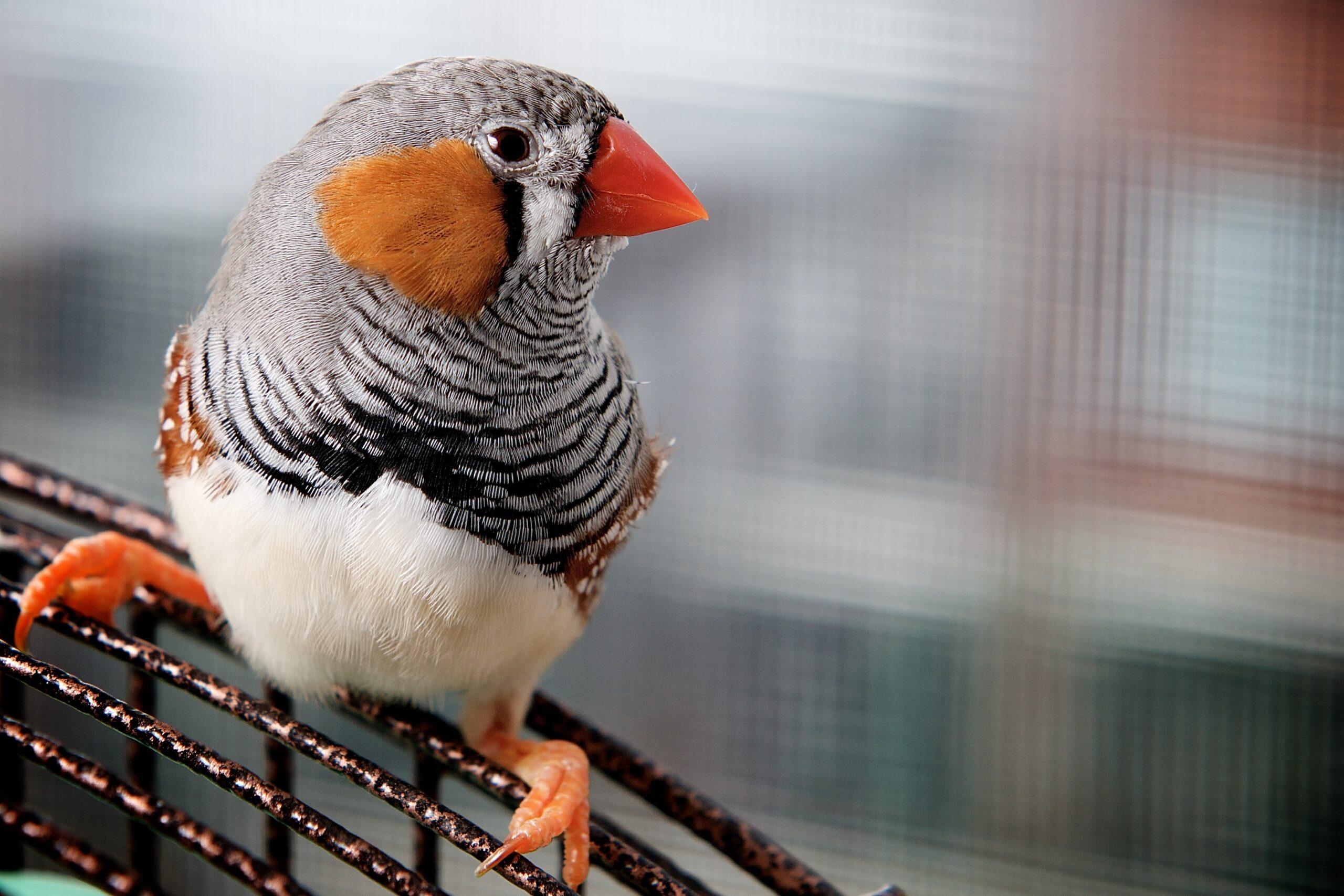
Photo by D4V/E+
Finches are small, active birds who are ideal for beginners who want a visually engaging but low-maintenance pet that doesn’t require time outside of their cage. They thrive in pairs or small groups and are happiest when they have companions of their own species.
These birds are relatively quiet and require less direct interaction than parrots. Watching them fly, chirp, and play with each other can be just as enjoyable as hands-on bonding.
Finches typically live 5–10 years. They need a spacious cage for flying, like this one from Prevue, fresh food, and clean water, but their daily care routine is generally straightforward.
Recommended Product
Birds That May Not Be Ideal for Beginners
While beautiful and smart, some birds are better suited for experienced owners.
Macaws, African Greys, and cockatoos are highly intelligent and emotionally complex. They require extensive training, socialization, large enclosures, and decades-long commitments. Without proper care and attention, these birds can develop stress, anxiety, and behavioral issues like feather plucking, screaming, and aggression.
For first-time bird owners, it’s better to start with smaller species and those that have less intense care needs.
Choosing the Right Bird for Your Lifestyle
Before bringing home a bird, consider:
- How much time you can dedicate to your bird each day
- Your tolerance for noise—many species can be very loud
- Available space for an appropriately sized cage
- Long-term financial commitment (food, toys, veterinary care)
- Household dynamics, including children and other pets
To choose the right bird, research the various species and their needs, and go with one that you’ll be able to care for easily.
Beginner Bird Care Basics
No matter which species you choose, all birds need:
- A properly sized cage with safe perches
- A balanced diet of high-quality pellets, treats, and fresh produce
- Daily enrichment and toys
- Routine veterinary care from an avian vet
- Social interaction and mental stimulation
Even the easiest birds to care for require daily attention and commitment.
The best pet birds for beginners are those whose needs align with your lifestyle, experience, and expectations. Budgies, cockatiels, lovebirds, green-cheeked conures, canaries, and finches all offer unique qualities that can make bird ownership deeply rewarding.
If you put in the time with thoughtful research and preparation, your first bird can become a beloved companion for many years to come.
Attributions
This article was created with assistance from AI tools. The content has been reviewed for accuracy and edited by a human.