Pet Finch Care Sheet


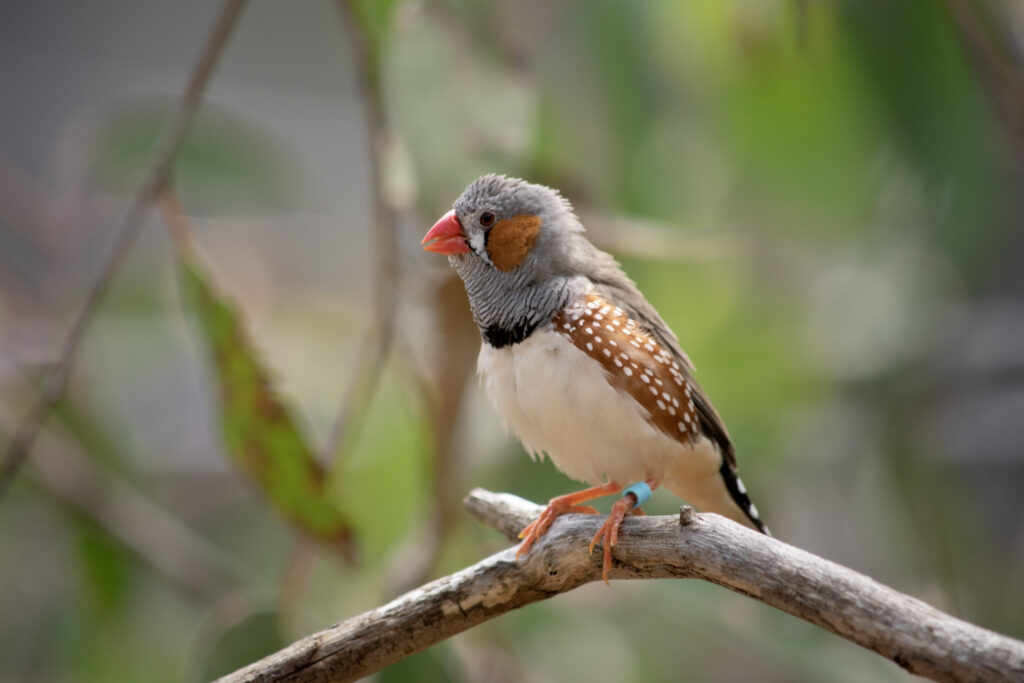
Photo by ozflash/iStock/Getty Images Plus
Finches are small songbirds that come in many different species. They make wonderful pets for all kinds of families.
If you’re exploring the idea of caring for a pet finch or recently got one, here’s how to take care of them to ensure they thrive.
Finch Bird Overview
- Finches grow to about 4–6 inches long for most species.
- There are hundreds of finch variations, including Gouldian, zebra, and Java sparrow.
- Your finch can live up to 10 years or more with proper care, depending on the species.
Fun Facts About Finches
- These birds are happy songbirds and are very vocal—you’ll notice lots of singing and chirping.
- Finches thrive in communities and should live in pairs or groups.
- Finches love to nest, but only give nesting materials to groups of males. A female in the group can encourage breeding in the nest.
Finch Cage Requirements
For a pair of finches, get a cage that’s at least 24 inches on each side, with 1/2-inch spacing between the bars.
Recommended Product
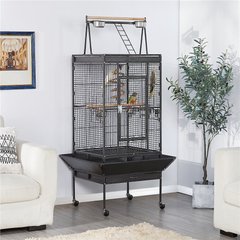
Finches get their exercise from flying, so a large cage is ideal, even for a small bird. These birds prefer to move side to side rather than up and down, so look for cages that are longer than they are tall.
Line the cage with paper towels, newspaper, or paper bags cut to the size of the cage bottom, or use a commercial bird cage liner like this one from Prevue.
Recommended Product

Add two to three perches at different heights and diameters.
Recommended Products
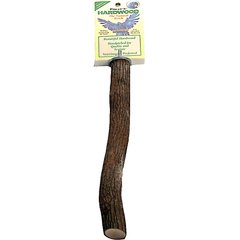
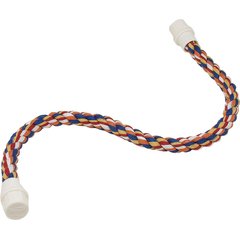
Use perches of varying textures, like wood, natural branches, and braided rope. Avoid putting perches above food and water bowls, as droppings will land in them.
Have a wide selection of toys on rotation for your birds to keep them stimulated. Finches appreciate foraging toys—put seeds and treats inside, then let your bird find the food like they would in the wild.
Recommended Products
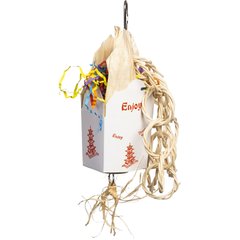
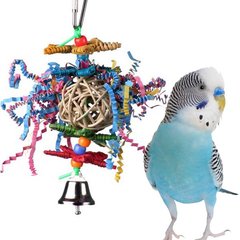
Put the cage in a high-traffic area of your home that’s warm and bright, away from direct sunlight and drafts. Keep it away from the kitchen, as finches are sensitive to fumes.
Community and Socialization
Since finches need daily interaction with other finches, keep multiple birds in one cage and size up accordingly. These birds thrive when with companions.
While you can keep both females and males in one cage, keep an even number of birds to avoid having an odd bird out. If you mix sexes, expect the finches to breed.
Finches love nesting with materials like newspaper, paper shreds, or cloth. If you want to encourage breeding, add nesting materials to mixed-sex groups.
Cleaning and Maintenance
Spot-clean the cage daily by removing old food and soiled materials. Wash food and water bowls every day.
Deep-clean the cage every week. Put your birds in another cage, like a travel cage, so they are in a secure environment during the cleaning.
Follow these steps to clean your birds’ cage:
- Remove and discard the lining.
- Wash toys, perches, and food and water bowls. You can use water and soap or any bird-safe cleaner.
- Use a disinfectant solution or bird habitat cleaner to wash the cage.
Recommended Products
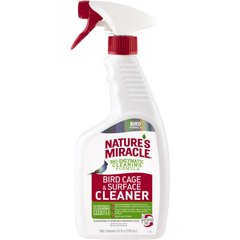

4. Rinse the cage well and allow it to dry completely before moving your bird back in, along with a new cage liner and the clean toys, perches, and bowls.
5. Replace toys and perches when they become worn or damaged.
What Finches Eat
Feed your finches a high-quality pelleted food that is available at all times.
Recommended Products
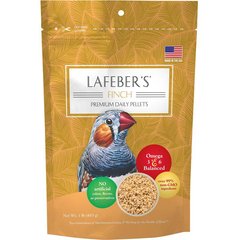

Pelleted food makes up 70%–80% of your bird’s diet, with the rest coming from fruits and vegetables like leafy greens, broccoli, apples, and pears.
Have two separate food bowls: one for dry and one for fresh food.
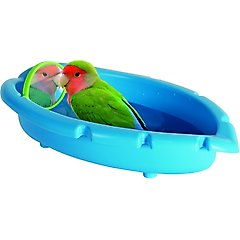
You’ll also need two separate water containers—one bowl that’s large and shallow enough for your birds to bathe in, and one bowl or side-hanging water bottle for drinking.
Recommended Products

How To Hold a Finch
Finches don’t like to be held, at least not in the same way that parrots or other birds do.
Spend time with your finches by watching them interact with each other in their cage.
You can encourage your bird to perch on your finger, but forceful handling will stress them out. Always pay special attention to their body language.
Pet Finch Health
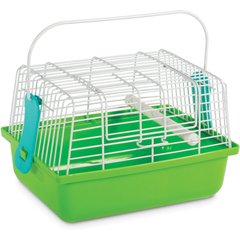
Take your finches to the vet every year for an annual checkup, using a transport carrier or cage like this one from Prevue.
Recommended Product
Show the vet photos of their cage, surroundings, food, and supplies.
You’ll know your bird is healthy if they have:
- A bright and alert personality
- Clear, clean eyes and nostrils
- A symmetrical, intact beak
- Smooth feet that can grasp
- Full range of motion in both wings
- Consistent droppings
Pay attention to behaviors or symptoms that aren’t normal for your finch. It might be time to call a vet if you notice:
- Eye or nasal discharge
- Rapid breathing, wheezing, or sneezing
- Fractured beak
- Feather plucking or bleeding feathers
- Uneven feather growth
- Favoring a foot or limping
- Holding a wing abnormally, unwilling to use a wing, or droopy wings.
- Moist feathers or cloaca discharge
- Vomiting or loss of appetite
- Runny or abnormal droppings
- Constantly fluffed feathers
Finch Supply Checklist
Before you bring finches home, make sure you have all your supplies at the ready, including:
- Appropriately sized bird cage
- High-quality finch food
- Habitat paper or paper-based litter
- Millet spray
- Treats
- Food and water bowls, including a bird bath
- Perches and toys
FAQs About Finches
What is a finch?
A finch is a small songbird. These birds don’t talk, but vocalize with each other. Males, especially, will also sing.
Are finches good pets?
Finches are relatively hands-off pets who don’t require much attention from their humans.
How long do finches live as pets?
With proper care, finches can live up to 10 years or more, depending on the species.
How much does a finch cost?
Some finches are relatively inexpensive—between $20–$40 for popular species, with some costing more than $100. Ongoing costs vary based on how many finches you have, the size of their cage, the quality of their food, and other factors.
Click here for a printable PDF version of this care sheet!
Attributions