Caique Care Sheet


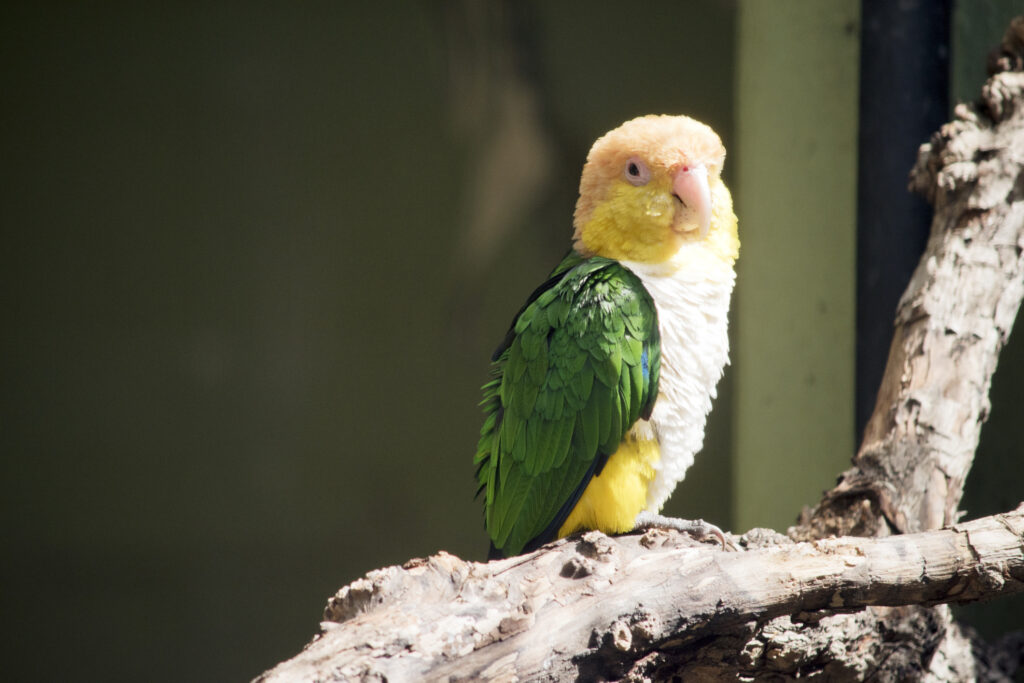
Photo by ozflash/iStock/Getty Images Plus
The caique (pronounced kah-eek) is a small hookbill parrot. Caiques require extra care and attention and are best for pet parents with experience caring for birds.
If you’re thinking about getting a caique or if you’ve recently gotten one, make sure you know how to give them a long, healthy life.
Caique Bird Overview
- Caiques can live up to 30 years with proper care.
- Unlike other types of birds, caiques should be housed alone.
- Caiques need exercise and human attention outside of their cage every day.
Fun Facts About Caiques
- Some caiques have bold, bright, blocked-out colors all over their bodies, but black-headed, white-bellied caiques are the most popular variety.
- These birds are classified as small hookbills because of their small, hook-shaped beaks.
- Caiques are very smart and need regular, consistent stimulation to avoid boredom.
Caique Bird Cages
Caiques should have a cage that’s at least 3 feet long, 2 feet wide, and 4 feet tall, with the space between the bars no larger than ¾-inch. Otherwise, your bird could escape or get stuck between the bars.
Recommended Products
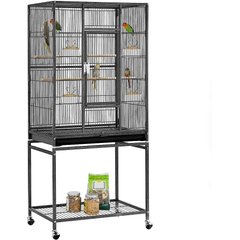
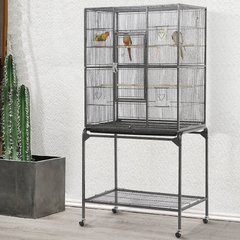
The enclosure should be large enough for your bird to stretch and flap their wings comfortably.
Caiques are very social with their humans, so their cages should be in a busy part of your home that gets a lot of foot traffic so your bird can get regular attention.
Cages should be in a well-lit, draft-free area that’s not easily accessible to other pets. Keep your household temperatures between 65–80 F.
Line the cage bottom with habitat paper or another type of paper-based bedding that’s safe for birds.
Recommended Product
Supplement your bird’s UV exposure by installing a full-spectrum 5.0 UVB light to provide them with 10–12 hours of exposure each day.
Recommended Product
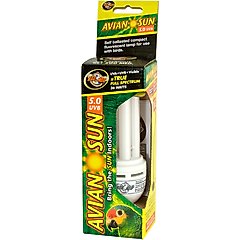
Make sure the light is 12–18 inches away from the top of where your bird perches.
Add perches varying in size, texture, and material throughout the cage, but don’t place them above the food and water bowls, as droppings can land in them.
Recommended Products
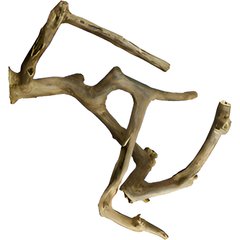
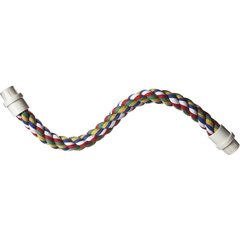
Perches can be made of braided rope, wood, or concrete. Avoid sandpaper and gravel, since they can be harmful to your bird’s feet.
Perches should be no larger than 1–1.25 inches in diameter. Otherwise, your bird won’t be able to properly grip the perch, potentially resulting in falls or injuries.
Caiques are very smart, bright birds, and should have access to a variety of toys for both exercise and entertainment.
Recommended Products
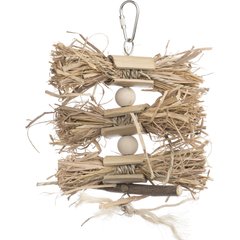
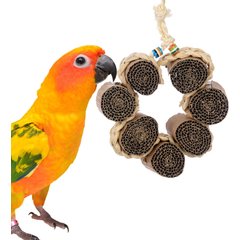
Provide toys made of cardboard, paper, plastic, or wood. Regularly rotate toys to keep your caique from getting bored. Otherwise, your bird could develop harmful habits like feather-plucking or screaming. Only change out one toy at a time, as sudden changes can stress them out.
Cleaning and Maintenance
Spot-clean your bird’s cage daily by removing any discarded food and soiled material. Wash food and water bowls every day.
Give your bird cage a deep-clean once a week. Move your bird to a secure location like another enclosure or a travel cage. Then, discard old bedding and habitat liners, and take out bowls, toys, and perches.
Use a bird habitat cleaner all over the cage, or make a 3% bleach solution. Thoroughly clean the habitat and accessories, then rinse with water until no residual odor of the cleaning agent remains.
Recommended Product
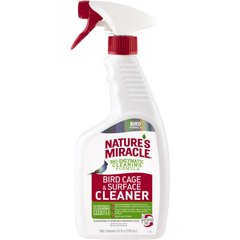
Let the cage and accessories completely dry before adding new bedding or liners. Then, put back the accessories and bring your bird to their clean habitat.
Caique Parrot Diet
You should have three dishes for your caique: one for dry food, one for fresh food, and one for water. The water bowl should be large and shallow enough for your bird to bathe in. You can also use a spray bottle to gently mist your bird with water to help them bathe.
Caiques should eat high-quality pelleted food, which should make up 60%–70% of their diet.
Recommended Products
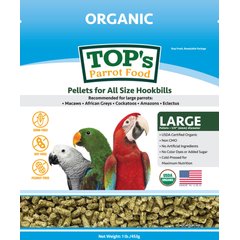
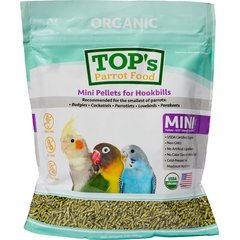
You can supplement their diet with vegetables and fruits (about 20% of their diet). Do not share human food with your bird.
Add cuttlebones to your bird’s cage, as these are important calcium supplements, providing vital nutrition to keep your bird’s beak, bones, and nails healthy and strong. Place them in cuttlebone holders so debris doesn’t fall outside of the cage.
Recommended Products
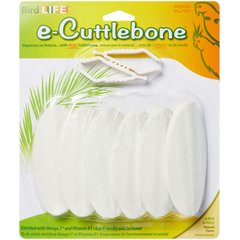
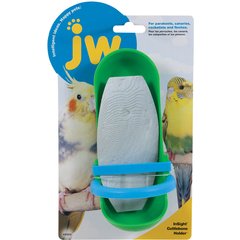
Seeds, including fortified seeds and millet, can be given as a treat, making up no more than 10% of your caique’s diet.
Recommended Product
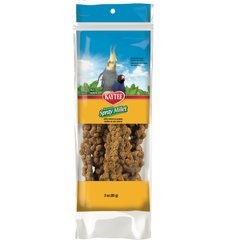
Don’t feed your bird any fruit seeds, chocolate, avocados, alcohol, or caffeine, as these are toxic.
How To Hold a Caique Parrot
Caiques like to be handled, and you may notice your bird affectionately chewing on you to show they enjoy your handling.
But chewing is different from nipping. Caiques have sharp beaks and may nip if they feel threatened or confused. Getting bitten by a caique can cause significant injury, so handle your pet with caution and make sure children are never left alone with them.
If your bird bites, don’t yell at them. Doing so could encourage their behavior. Instead, put your bird down, either back in their cage or in another bird-safe area, and walk away. This is a type of bird “time-out” to show your pet thataggressive actions—like biting and nipping—don’t bring them attention.
Pay attention to your bird’s behavior as you’re learning their personality and needs. Flared tail feathers and lunging are warning signs that your caique is upset or stressed.
Caique Bird Health
Take your caique to a veterinarian once a year for an annual checkup. If healthy, your caique should have a social attitude and be vocal.
They should have clean eyes, nostrils, feathers, and feet. Their beak should be symmetrical, and they should have a full range of motion in both wings.
You might need to call your vet if you notice any swelling or discharge from their eyes or nose, or if they exhibit rapid breathing or wheezing. Feather plucking or bleeding feathers are also signs of a potentially larger issue.
If you notice your bird is limping, abnormally holding a limb, or has an overgrown beak, reach out to your vet. Also, pay close attention to vomiting, loss of appetite, and runny droppings.
Pet Caique Supply Checklist
Before you bring your pet caique home, make sure you have all your supplies at the ready, including:
- A spacious enclosure at least 36 x 24 x 48 inches
- Habitat paper or other paper litter
- Food and water bowls
- High-quality caique food
- Cuttlebone and millet holders
- Treats
- Variety of wooden chew toys
- Perches
- Misting spray bottle
- Play gym
FAQs About Caiques
Are caiques good pets?
Caiques are great pets—social, vocal, and intelligent. Like all other birds, caiques need daily attention and proper care to live long, healthy lives.
How do you pronounce the name caique?
Caique is pronounced “kah-eek.”
Can a caique parrot talk?
While caiques can talk, they aren’t as talkative as other parrots. Generally, you can expect them to say less than two dozen words. They are quite loud, however, and they can imitate various sounds, such as squeaky doors and vocalizations from other pets.
What is the average caique lifespan?
Caiques can live 15–30 years or longer with proper care.
Click here for a printable PDF version of this care sheet!
Attributions