What Do Bird Leg Bands Tell Us?


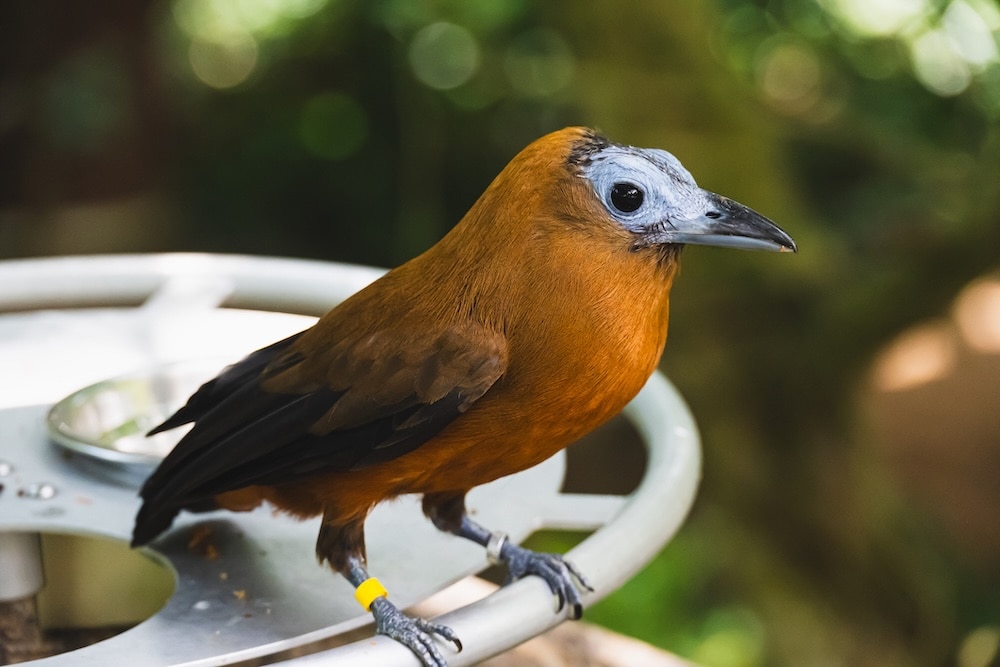
Photo by SEAN ZHANG/iStock/Getty Images Plus
If you’ve noticed a small metal or plastic ring around your bird’s leg, you may have wondered what it means. Bird leg bands are commonly used to identify both pet and wild birds. They can provide valuable information about a bird’s origin, age, or ownership, helping reunite lost birds with their families.
While not every band contains the same details, understanding what bird leg bands tell you can help you better understand your feathered companion.
Key Takeaways
- Leg bands may provide information about a bird's breeder, hatch year, registration number, or issuing organization, depending on the banding system used.
- Closed bands are typically applied to chicks and often indicate captive breeding, while open bands can be fitted to older birds for identification or medical reasons.
- Some bands are linked to breeders or organizations, while privately issued bands may not be searchable through a central database.
- If a band is damaged, loose, or causing irritation, have it evaluated and, if necessary, removed by an avian veterinarian.
What Is a Bird Leg Band?
A bird leg band is a small ring placed around a bird’s leg for identification purposes. Depending on the species and intended use, leg bands may be made from aluminum, stainless steel, or plastic.
Pet birds are often banded by breeders while they are still chicks, whereas wild birds may receive identification bands as part of scientific research or conservation programs.
Each band typically contains a combination of letters and numbers that helps distinguish one bird from another.
What Information Can a Bird Leg Band Provide?
The information on a bird leg band varies depending on who issued it, but it may include:
- A breeder’s identification code
- The bird’s hatch year or date
- A unique serial or registration number
- A country or organization code
- Occasionally, species or breeding program information
There is no single universal format for bird leg bands. Private breeders, bird clubs, avicultural organizations, and government agencies often use different coding systems.
Because of this, decoding a band may require contacting the breeder or organization that issued it.
Closed vs. Open Bird Leg Bands
There are two main types of bird leg bands.
Closed Leg Bands
Closed bands are solid rings placed on a chick’s foot when they’re very young. As the bird grows, the band remains on the leg and cannot be removed without being cut off.
Because they can only be fitted during a brief period in early development, closed bands are often associated with captive-bred birds.
Open Leg Bands
Open bands have a small gap or seam that allows them to be opened and closed.
These bands may be placed on adult birds for identification after adoption, rescue, veterinary treatment, or ownership registration. They are also used in some breeding and management programs.
How Are Bird Leg Bands Used?
Bird leg bands serve several important purposes, including:
- Identifying lost or escaped pet birds
- Keeping breeding and hatch records
- Verifying ownership
- Assisting avian veterinarians with patient identification
- Supporting wildlife research and conservation through bird banding programs
For wild birds, banding helps researchers study migration, lifespan, survival rates, and population trends.
Can You Trace a Bird From a Leg Band?
Sometimes, a leg band can help identify a bird.
If the band was issued by a government wildlife agency or a well-documented breeding organization, it may be possible to trace the bird through the issuing program.
However, many privately issued breeder bands are not part of a centralized database. In these cases, identifying the breeder may require recognizing the breeder’s unique code or contacting avicultural organizations that maintain breeder records.
If you find a lost pet bird with a leg band, an avian veterinarian, local bird club, rescue organization, or the breeder (if identifiable) may be able to help locate the owner.
Should a Bird’s Leg Band Ever Be Removed?
In most cases, a healthy bird’s leg band should remain in place.
However, a band that becomes damaged, too tight, or caught on cage accessories or toys can cause injury. If you notice swelling, irritation, limping, or a loose or damaged band, have your bird examined by an avian veterinarian as soon as possible.
Never attempt to remove a leg band yourself. Specialized tools and proper restraint are needed to avoid injuring your bird.
Bird leg bands can provide valuable details about a bird’s history, identification, and care. Whether the band identifies a breeder, records a hatch year, or supports wildlife research, it serves an important purpose.
Frequently Asked Questions
Do all pet birds have leg bands?
No. While many captive-bred birds are banded, some are microchipped instead, and others may never have received a band.
What does a closed leg band mean?
A closed leg band generally indicates the bird was banded as a young chick. In many cases, this suggests the bird was captive-bred, though practices vary by region and breeder.
Can I identify my bird’s breeder from the band?
Possibly. Some bands include breeder codes that can be traced, while others may not be linked to publicly accessible records.
What should I do if my bird’s leg band is damaged?
Schedule an appointment with an avian veterinarian. Do not attempt to cut or remove the band yourself, as doing so could seriously injure your bird.
Attributions
This article was created with assistance from AI tools. The content has been reviewed for accuracy and edited by a human.