Why Is My Bird Quiet?


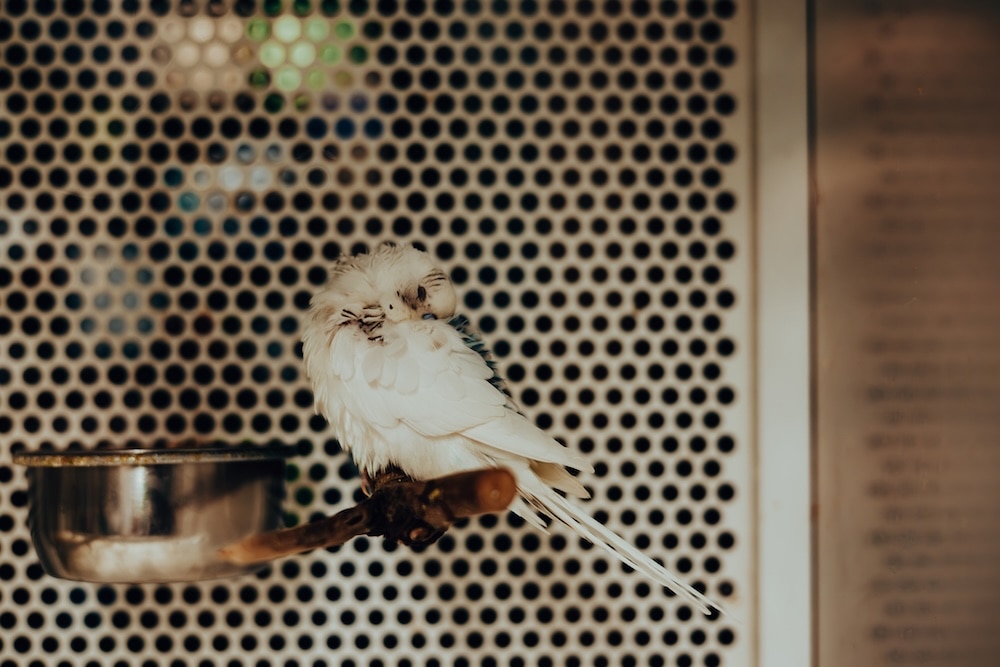
Photo by Vita Popova/iStock/Getty Images Plus
Birds communicate through chirps, whistles, songs, calls, and even learned words, so it can be noticeable—and concerning—when a normally vocal bird suddenly becomes quiet.
Sometimes, there’s a harmless explanation. Your bird may be sleeping, adjusting to a new environment, or simply enjoying a quiet part of their day. But a sudden decrease in vocalization can also be an early sign of illness. Because birds instinctively hide signs of illness, subtle behavioral changes, such as talking or singing less, deserve attention.
The most important question isn’t necessarily “How quiet is my bird?” but rather “Is this normal for my bird?”
Key Takeaways
- Birds may vocalize less while sleeping, resting, or adjusting to environmental changes.
- A sudden decrease in singing, talking, or interacting can be more significant in a typically vocal bird than in a naturally quiet bird.
- Reduced appetite, fluffed feathers, excessive sleeping, abnormal droppings, weakness, or breathing difficulties, along with unusual quietness, can indicate illness.
- Birds often conceal illness, so contact an avian veterinarian promptly if your bird’s quietness is accompanied by other concerning changes.
Why Is My Bird So Quiet?
A bird may become quieter for behavioral, environmental, or medical reasons. Some changes are temporary and harmless, while others warrant veterinary attention.
1. Your Bird Is Sleeping or Resting
Just like people, birds have natural periods of activity and rest. Your bird may be quiet because they’re sleeping, napping, or winding down for the night. Always make sure your bird has appropriate perches and a quiet, dark environment that allows for adequate, uninterrupted sleep.
Recommended Products

Consider the time of day and your bird’s normal routine. Quietness during their usual resting period is much different from a normally energetic bird suddenly sitting silently during their most active time.
2. Your Bird Is Adjusting to a New Home
Moving to a new home can be overwhelming. A newly adopted bird is encountering unfamiliar people, sounds, smells, routines, and surroundings all at once.
Some birds may initially respond by staying relatively quiet and observing what’s happening around them. Give a new bird time to settle in without forcing interactions. Maintaining a predictable routine and giving your bird space to retreat from activity or interaction can help them acclimate.
Recommended Product

3. Something in the Environment Has Changed
Birds can be sensitive to changes in their surroundings. Moving their cage, introducing a new pet or person, changes in household routine, and unfamiliar sights and sounds may affect behavior.
If your bird suddenly becomes quiet, think about what’s changed recently. Even something that seems minor to you, such as rotating a toy or two, may be significant to them.
Recommended Products

4. Your Bird Is Naturally Quiet
Not every pet bird is a nonstop chatterbox. Vocalization varies considerably among species and individuals.
Finches, for example, may peep frequently without being particularly loud, while doves are known for cooing. Other species can produce much louder calls.
Individual personality matters, too. One cockatiel, budgie, or parrot may be highly vocal, while another of the same species may naturally be more reserved.
5. Your Bird May Be Sick
A sudden or unexplained decrease in vocalization is more concerning, particularly when accompanied by other behavioral or physical changes.
Many companion birds are prey species and instinctively conceal signs of illness. Consequently, early signs can be subtle. Talking or singing less, decreased activity, and changes in normal interaction are all potential signs of illness.
Sudden quietness accompanied by difficulty breathing can also occur after exposure to inhaled toxins. Overheated PTFE (such as Teflon) and other nonstick coatings are particularly dangerous to birds and can cause severe, potentially fatal respiratory illness.
Smoke, aerosolized products, and other airborne irritants may also cause respiratory problems. If you suspect your bird has been exposed to fumes or is having difficulty breathing, move them away from the source if it is safe to do so and seek emergency veterinary care immediately.
Many different health problems can cause a bird to become quiet or lethargic, so quietness alone can’t tell you what’s wrong. Your avian veterinarian will need to evaluate your bird and determine whether an underlying medical problem is responsible.
Signs Your Quiet Bird May Be Sick
Pay close attention to whether decreased vocalization occurs alongside other changes. Signs that can indicate illness include:
- Fluffed or ruffled feathers
- Sleeping more than usual
- Decreased appetite or changes in drinking
- Weakness or decreased activity
- Sitting low on a perch or on the cage floor
- Changes in the amount, color, consistency, or frequency of droppings, or undigested food in the droppings
- Black/tarry or bloody droppings
- Vomiting or new or excessive regurgitation
- Eye or nasal discharge
- Wheezing, clicking, or other abnormal breathing sounds
- Open-mouth or labored breathing
- Tail bobbing with each breath
- Difficulty balancing or staying on a perch
A change in the sound or quality of your bird’s voice can also be significant. A bird whose usual chirp, song, or call suddenly sounds hoarse, weak, or otherwise different should be evaluated, particularly if the change persists or is accompanied by respiratory signs.
Changes in vocalization, appetite, energy, posture, and droppings can all provide important clues that a bird isn’t feeling well.
When Should You Take a Quiet Bird to the Vet?
Contact an avian veterinarian promptly if your normally vocal bird suddenly becomes unusually quiet, especially if you notice changes in appetite, drinking, droppings, activity, posture, or appearance.
Don’t assume a bird who looks otherwise normal is always healthy. Because birds can become seriously ill before signs are obvious, early veterinary evaluation can be important.
A bird who is weak, unresponsive, unable to perch, huddled, actively bleeding, having trouble breathing, or lying on the bottom of the cage requires emergency veterinary attention.
What Should I Do If My Bird Is Suddenly Quiet?
First, observe your bird closely. Compare their behavior with what’s normal for them rather than with another bird.
Check whether they’re eating and drinking, how active they are, what their droppings look like, and whether they’re perching and breathing normally. Consider whether there have been any recent changes to their environment or routine.
Additionally, one of the best ways to keep track of your bird’s health is to weigh them regularly. Because birds are experts at hiding illness, they may manipulate their food (a behavior called sham feeding). This makes appetite difficult to assess, based on observation alone.
Use a digital gram scale with an appropriate perch or platform to regularly weigh your bird. This can help you spot early, subtle signs of illness before your bird becomes visibly sick. Weigh your bird under similar conditions each time and keep a log to identify trends. Ask your avian veterinarian how often your individual bird should be weighed and what degree of weight change should prompt a call.
If the change in behavior is sudden, persistent, or accompanied by other signs of illness, contact your avian veterinarian. Avoid trying to diagnose the cause or treating your bird with medications or supplements on your own.
Keeping track of your bird’s everyday behavior can make subtle changes easier to spot. With birds, simply noticing that something is different can be an important first step toward getting them the care they need.
Attributions
This article was created with assistance from AI tools. The content has been reviewed for accuracy and edited by a human.