Dove Care Sheet


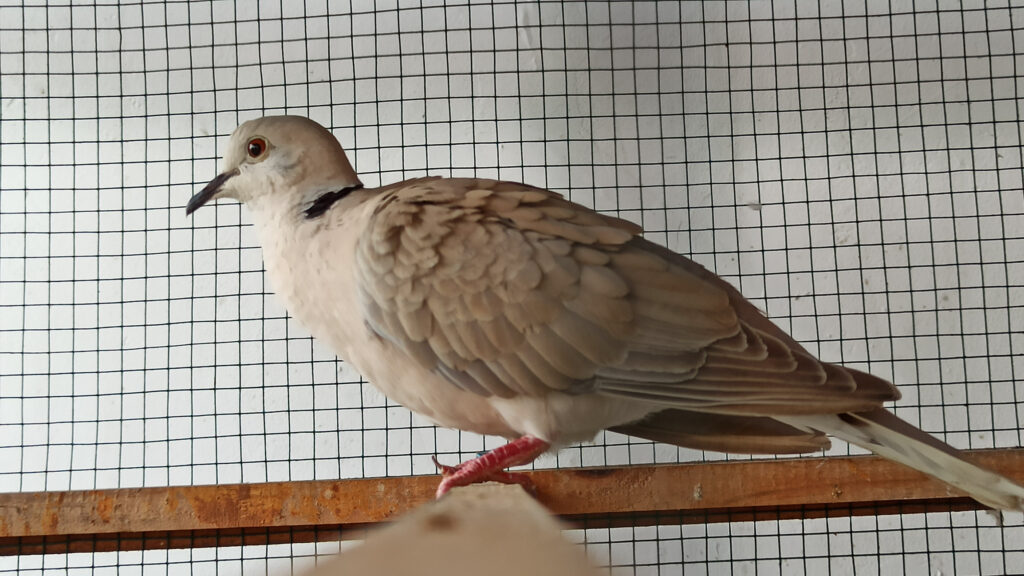
Photo by sulhanul khoir/iStock/Getty Images Plus
Doves are calm birds who are a great fit for beginner and experienced pet parents alike. If you’re thinking about getting a dove as a pet or you’ve recently gotten one, make sure you have everything you need to give your bird a long, healthy life.
Dove Bird Overview
- Doves can live 10 years or longer if given proper care.
- These birds can reach up to 12 inches from head to tail, depending on the species.
- Doves have softer beaks than parrots, so they need enrichment toys made of cardboard, soft wood, or paper.
- Most pet doves are diamond doves and ring-necked doves.
Fun Facts About Doves
- Doves are a symbol of peace since they are calm, graceful birds.
- These birds are social and should be housed in pairs.
- Doves don’t squawk like parrots, but coo, especially with each other. They can be loud when kept in larger colonies.
Dove Bird Cages
A pair of doves can live in a cage that’s at least 2 feet long, 3 feet wide, and 30 inches tall. The space between the bars of the cage should be no wider than ⅜-inch so your bird doesn’t get stuck.
Recommended Products
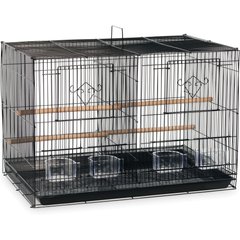

Keep the cage off the ground in a well-lit, draft-free area. The cage shouldn’t be accessible by other pets, and should be placed in an area with a temperature between 65–80 F.
Since doves don’t climb like parrots, they need a cage that’s longer than it is taller, with more space to fly back and forth comfortably. Whenever you can, get the largest cage possible.
Doves are social birds, so keep them in pairs or small groups. Before keeping birds in the same habitat, make sure they are compatible, get along peacefully, and have enough room in their cage. Introduce your birds in a neutral space. If you keep males and females in the same cage, they will mate.
Toys and Accessories
The bottom of your doves’ cage should have a removable metal grate above a removable solid tray. Line the solid tray with paper-based bedding or a habitat paper that’s appropriate for doves.
Recommended Products
Add perches of varying sizes and materials throughout the cage. Perches should be made of different materials, at least 5 inches long, and ¼- to ½-inch in diameter.
Recommended Products
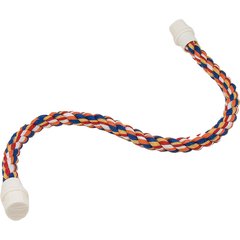
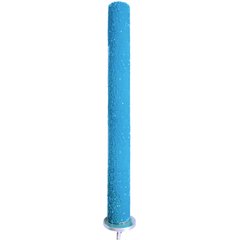
Avoid perches that are too wide, as this can cause your bird to grip poorly, leading to falls and injuries. Try out perches made of natural branches, braided rope, wood, and concrete. Don’t place perches above food or water bowls, as droppings could land in them.
Also add toys, like foraging toys and those that encourage mental and physical stimulation.
Recommended Products
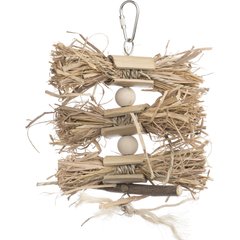
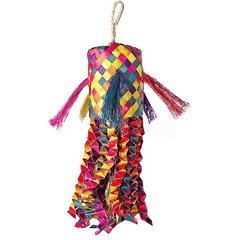
Since doves have soft beaks, make sure toys are made of soft wood, cardboard, or paper. Without enrichment toys, doves become bored and could start to scream, pace, and pluck their feathers.
Cleaning and Maintenance
Spot-clean the cage daily by removing any soiled material and discarded food. Give the cage a deep clean at least once a week, depending on how many doves are in the cage.
Start by putting your birds in a secure environment, such as a travel cage or another habitat. Then remove old bedding and habitat liners, along with toys, food and water bowls, perches, and other accessories.
Clean the cage and accessories with a dove-friendly habitat cleaner like Nature’s Miracle, and wash the bowls with warm water and unscented dish soap.
Recommended Product
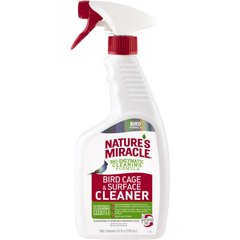
Thoroughly rinse everything until any odor from the cleaner is gone.
Wait for everything to completely dry before adding new bedding and putting back the clean accessories, bowls, and toys. Finally, return your doves to their cage.
What Do Doves Eat?
Doves eat a wide variety of food, including greens, fruits, grains, and seeds. Feed your doves high-quality pelleted food that makes up 60–70% of their diet.
Recommended Products
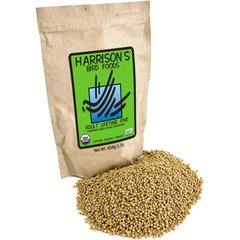
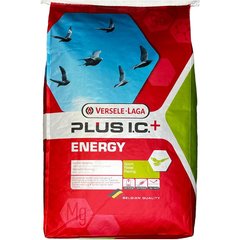
Treats, including soft fruits and vegetables and millet, should make up no more than 10% of their diet.
Recommended Product
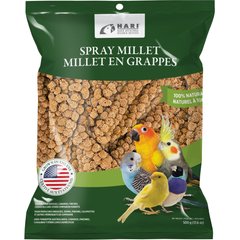
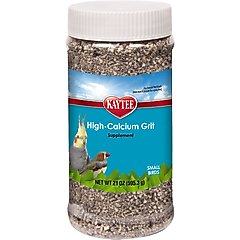
You can also feed your doves a calcium supplement made of crushed oyster shells. Give this digestible grit to your birds every day in a separate dish from their regular food bowl.
Recommended Product
They can also eat whole seeds, though these should be limited, as overfeeding can cause nutritional deficiencies and obesity.
Don’t feed your doves any foods that are toxic to them, such as avocados, chocolate, and onions.
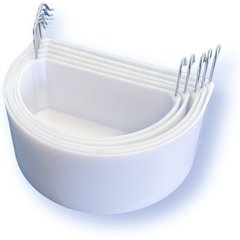
Change your doves’ water every day and provide a separate large water dish for them to bathe in. You may also mist your birds with a spray bottle, which helps them clean their feathers.
Recommended Product
How To Hold a Dove
Some doves don’t mind being held by their humans, while others don’t like being handled. If you prefer to hold your pet or have a child who wants to hold a bird regularly, a dove may not be the right fit for your family.
Dove Health
Take your doves to the vet every year for an annual checkup. A healthy dove has clean, smooth feathers, a clean beak, and a strong appetite.
Call your vet right away if you notice anything out of the ordinary, like:
- Eye discharge
- Plucked or broken feathers
- Loss of appetite
- Lumps or bumps
- Foot lesions or injuries
- Loose stool
- Mites
Even minor changes could be a cause for concern.
Pet Dove Supply Checklist
Before you bring your pet doves home, make sure you have all your supplies at the ready, including:
- Appropriately sized habitat
- High-quality pelleted dove food
- Millet spray
- Habitat paper or paper-based litter
- Food and water dishes
- Variety of perches and toys
- Mister spray bottle
- Digestible and indigestible grit
FAQs About Dove Birds
How long do doves live?
With proper care, doves can live 10 years or longer, depending on the species.
What do doves symbolize?
Doves are a symbol of peace, as they are calm, graceful birds.
Can you have a dove as a pet?
While not all dove species are domesticated, there are some that you can keep as pets, including the ring-necked dove and diamond dove.
Are pet doves messy?
Doves can be untidy and sometimes messy. Aim to spot-clean their cage daily and deep-clean it regularly to keep up with the messes.
Can you own just one dove?
Doves thrive in pairs or in small groups. They can get stressed and lonely if kept solo.
Click here for a printable PDF version of this care sheet!
Attributions