Quaker Parrot (Monk Parakeet) Care Sheet


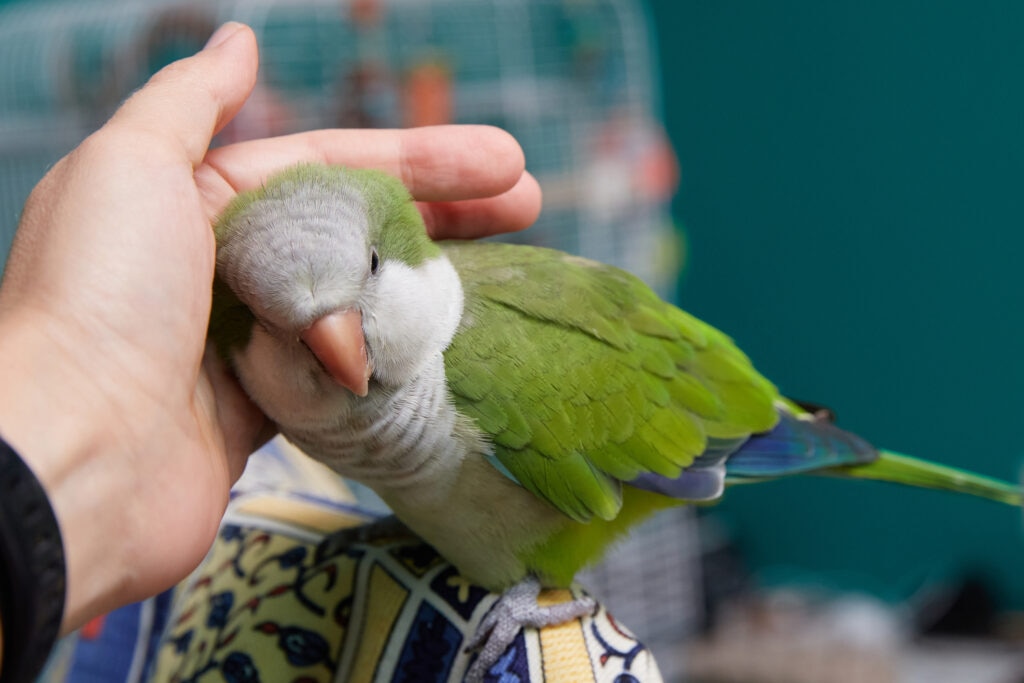
Photo by Tatiana Kutina/iStock/Getty Images Plus
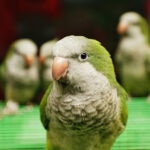
Quaker parrots, also known as monk parakeets, are one of the most popular types of parakeets. If you’re thinking about getting these colorful, intelligent birds, here’s everything you need to know to give them a long, healthy life.
Quaker Parrot Overview
- Quaker parrots can live up to 15 years or longer with proper care.
- These medium-sized birds can be up to 24 inches long, from the top of the head to the end of the tail.
- Multiple Quaker parrots can be kept in the same habitat if they’ve been properly introduced.
Fun Facts About Quaker Parrots
- You can train your Quaker parrot to talk and mimic human sounds.
- These social birds are very vocal at dusk and dawn.
- Quaker parrots enjoy being handled regularly and are known to be friendly.
Quaker Parrot Cages
Quaker parrots should have a habitat that’s at least 30 inches long, 24 inches deep, and 30 inches high. The space between the bars should be ½-inch or less, as this ensures your bird won’t escape.
Recommended Product
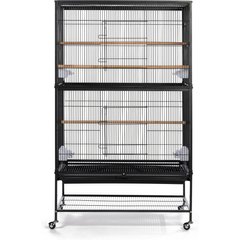
Quaker parrot cages should be taller than they are wide because these birds need enough room to perch and climb comfortably. If possible, get the largest cage you can.
While you can keep multiple Quaker parrots in the same habitat, make sure they are properly introduced and socialized before housing them together. Introduce birds at a young age and watch them closely to see if they are compatible. If not, they can become territorial and fight.
Keep the bird cage in a draft-free area of your house away from direct sunlight and other pets. Avoid any fumes or air freshener plug-ins around birds, as they can cause distress and health issues. Keep them away from the kitchen when cooking to avoid exposure to fumes as well.
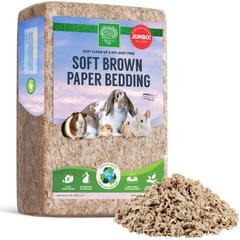
Maintain the temperature in your home between 65–80 F. Line the bottom of the cage with paper-based bedding or a bird cage liner.
Recommended Product
Since these parrots need 10–12 hours of ultraviolet (UV) light exposure every day, you can add a full-spectrum bulb like this one from Zoo Med to their cage.
Recommended Product
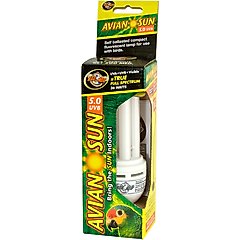
Keep the light 12–18 inches away from where your bird perches.
As long as the weather permits, you can also keep your bird outside in an escape-proof cage out of direct sunlight. Never leave your bird unattended outside.
Place perches designed for parrots at different heights throughout the cage. Perches should be at least 5 inches long and made of various textures and materials.
Recommended Products
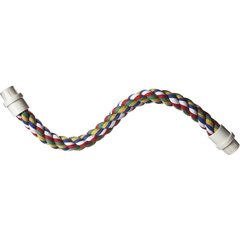
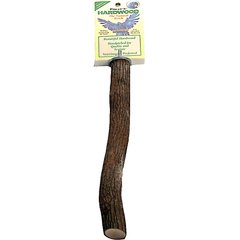
Don’t put perches above food and water bowls, as droppings could land in them. Avoid sandpaper, sanded perch covers, and gravel-coated perches because they can irritate or injure a bird’s feet.
Provide separate bowls for food and water, and include a bowl large enough for your parrot to bathe in. You may also mist your bird occasionally so they can more easily clean their feathers.
Give your Quaker parrot multiple toys. These birds are very intelligent and need plenty of mental and physical stimulation to stay occupied.
Recommended Products
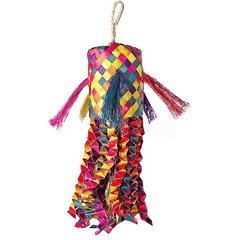
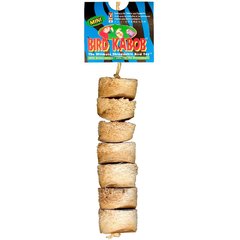
You can provide toys made out of cardboard, paper, or soft wood. Rotate toys regularly so your bird doesn’t get bored.
Cleaning and Maintenance
Spot-clean your bird’s habitat every day by removing old, discarded food and soiled material. Wash food and water bowls daily.
Thoroughly clean your Quaker parrot’s enclosure weekly by first putting your bird in a separate secure cage. Discard the old bedding or habitat liner. Take out the perches, bowls, and toys, and clean those according to manufacturer instructions.
Wash the cage using a bird habitat cleaner (like this one from Nature’s Miracle) or a 3% bleach solution.
Recommended Product
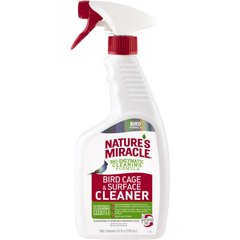
Thoroughly rinse the cage with water until you no longer smell the cleaning solution. Let the cage completely dry before putting in new bedding or habitat paper.
Finally, add back the perches, bowls, and toys, and then place your bird back inside the cleaned cage.
Quaker Parrot Food
Fresh food and dry food should be placed in separate bowls. Your bird should always have fresh, clean water in a drinking bowl, and a separate water bowl that’s large enough for them to bathe in. If you have more than one parrot, each should have their own food and water bowls.
High-quality pelleted food should make up 60–70% of your bird’s diet. Check the manufacturer’s instructions for how much you should feed your bird.
Recommended Products
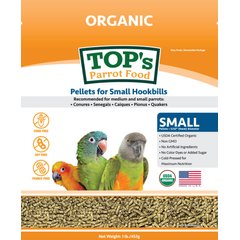
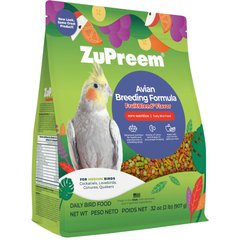
Fruits, vegetables, and other types of table food should only make up 30% of your bird’s diet. Treats, including seeds and millet, should not be more than 10% of their diet.
Fresh food can include berries, greens, sweet potatoes, or bell peppers. Avoid avocados, fruit seeds, and chocolate, as these are toxic to birds.
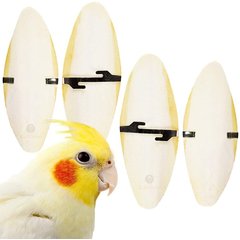
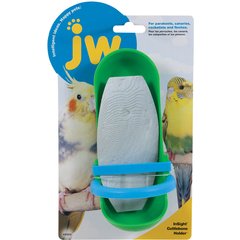
Cuttlebones are an excellent calcium source for egg-laying Quaker parrots. Make sure to get a cuttlebone holder to keep it in place for your bird.
Recommended Products
How To Hold a Quaker Parrot
Help your bird get used to being handled by holding them every day, which can increase trust.
These birds tend to be very vocal, social creatures who love attention.
Quaker Parrot Health
Take your Quaker parrot to a veterinarian once a year for an annual checkup. Healthy parrots are vocal and social, with a bright attitude. They should have clean, clear eyes, intact, bright feathers, and full range of motion.
You may want to call a vet if you notice:
- Discharge from the eyes or nose
- Rapid breathing
- Overgrown beak
- Wheezing or sneezing
- Constantly fluffed feathers
- Feather plucking or bleeding feathers
- Anorexia (not eating)
- Regurgitation
Pet Quaker Parrot Supply Checklist
If you’re thinking about getting a Quaker parrot, make sure you have all of your supplies on hand before bringing them home, including:
- Appropriately sized habitat
- High-quality, pelleted, medium-sized parakeet food
- Cuttlebone and holder
- Treats
- Habitat paper or litter/bedding
- Food and water bowls
- Variety of perches and toys
- Spray bottle mister
- Play gym
FAQs About Quaker Parrot Birds
How long do Quaker parrots live?
With proper care, Quaker parrots can live 20 years or longer.
Are Quaker parrots good pets?
Quaker parrots are great pets! These birds are very talkative and social, needing attentive and caring pet parents to look after them.
Do Quaker parrots talk?
Yes, you can train your Quaker parrot to talk and mimic human sounds. If you’re sensitive to noise or don’t think your family can handle the volume, you may want to explore another type of pet or a quieter bird that would be better suited to your household.
How big do Quaker parrots get?
Quaker parrots can grow to be 24 inches from the top of their head to the tip of their tail.
Click here for a printable PDF version of this care sheet!
Attributions