8 Top Quiet Pet Birds


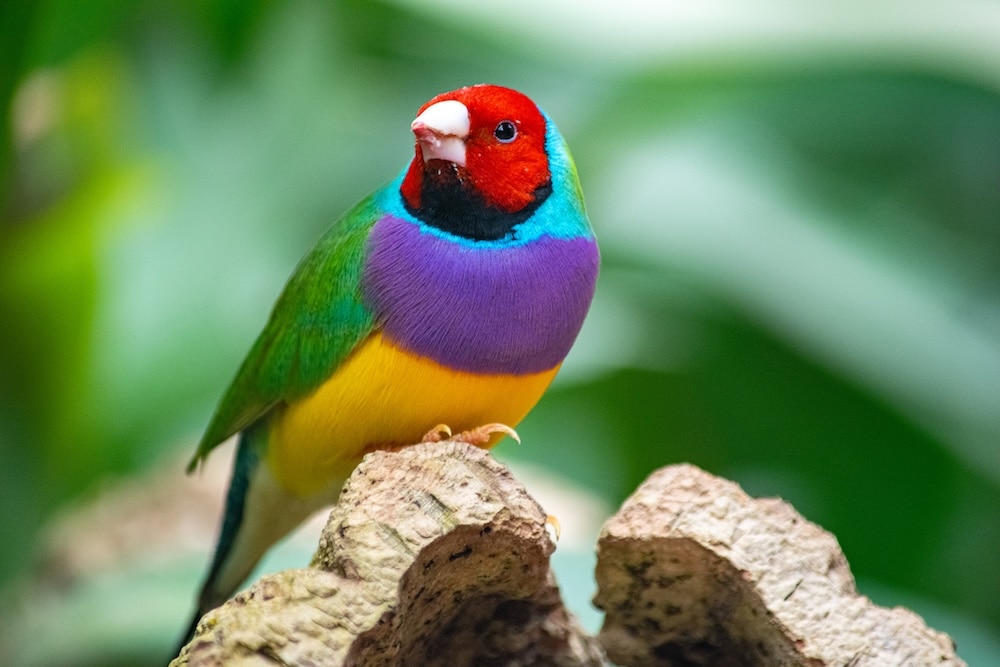
Photo by joe hidalgo photgography/iStock/Getty Images Plus
Birds are naturally vocal animals. Chirping, singing, whistling, cooing, and calling are all normal ways birds communicate, so there’s really no such thing as a completely silent pet bird.
That said, some species tend to produce softer or less intense sounds than others. If you live in an apartment, share walls with neighbors, or simply prefer a quieter home, choosing a bird known for lower-volume vocalizations can make a difference.
Just remember that noise level is only one consideration when choosing a feathered friend. Lifespan, personality, social needs, housing, diet, and veterinary care should all factor into your decision.
Key Takeaways
- No pet bird is completely quiet. Vocalizing is a normal and healthy behavior in birds.
- Finches, canaries, Bourke’s parakeets, and doves are among the species known for relatively quieter vocalizations.
- Small body size doesn’t always mean quiet. Some small birds chatter frequently, even if their calls aren't as powerful as those of larger parrots.
- Choose a species based on overall compatibility, not noise alone. Consider the bird’s lifespan, social needs, space requirements, and daily care before bringing one home.
What To Know About “Quiet” Pet Birds
When it comes to birds, “quiet” is relative. One bird might chirp softly throughout much of the day, while another stays quiet for hours before producing an occasional loud call.
How much noise a bird makes can depend on their species, individual personality, environment, sex, time of day, and time of year. Birds may also become more vocal when they’re excited, seeking attention, seeking other birds’ company, or simply communicating with birds or people. Many species naturally become more vocal around dawn and dusk.
Before adopting a bird, consider not only how often the species vocalizes but also the volume and type of sound. If possible, spend time around adult birds of that species and listen to recordings of their typical calls.
8 Top Quiet Pet Birds
The following birds are known for being relatively quiet compared to many other popular companion birds. Keep in mind that individual personalities vary, and any bird can occasionally get loud.
1. Finches
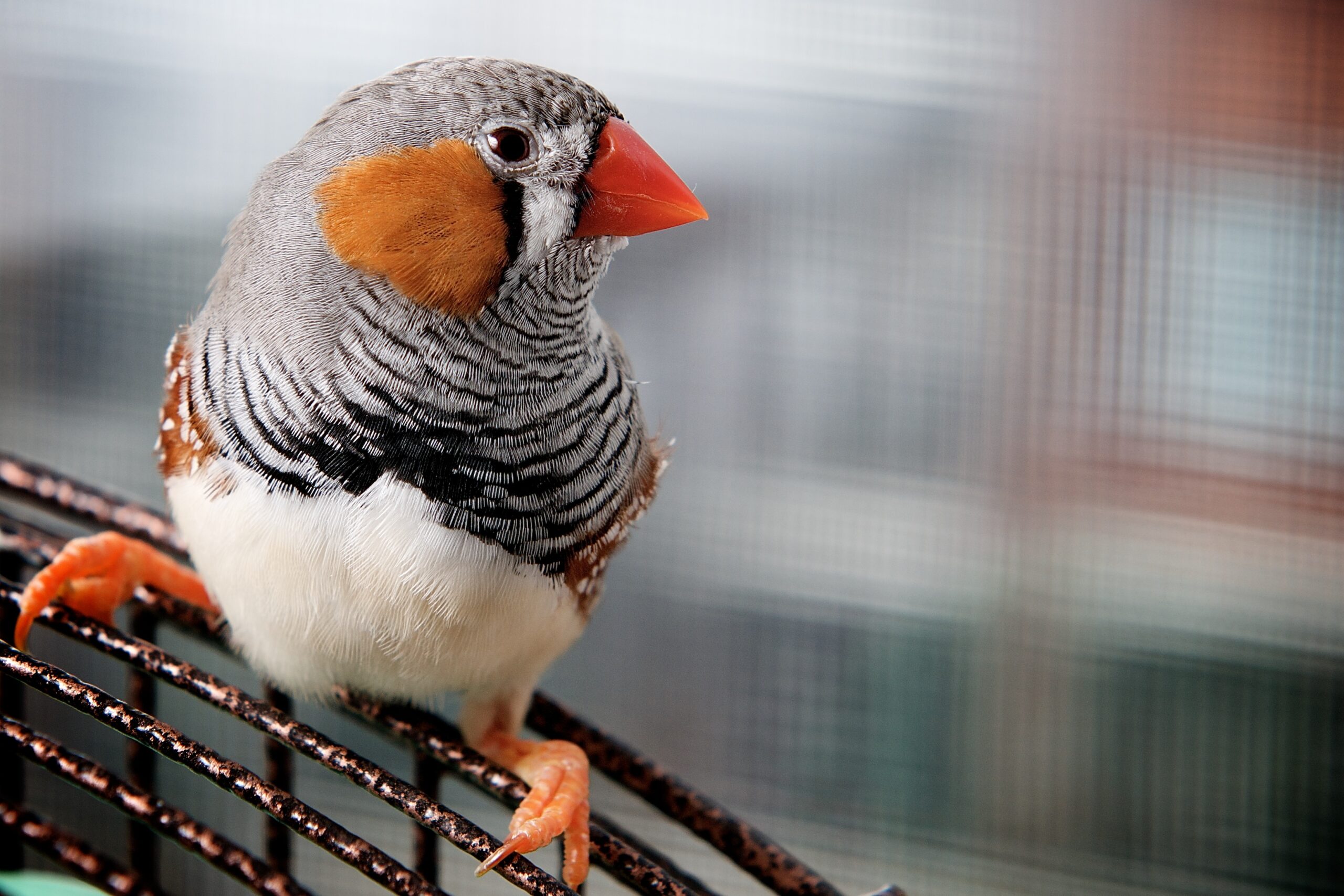
Photo by D4V/E+
Finches are tiny birds with equally small voices. Rather than producing powerful squawks, they typically communicate through peeps, chirps, and songs.
Many finch species are social and should be kept with compatible companions. They also tend to be more hands-off than parrots, making them a better match for pet parents who prefer to watch and listen to their birds rather than handle them frequently.
2. Canaries
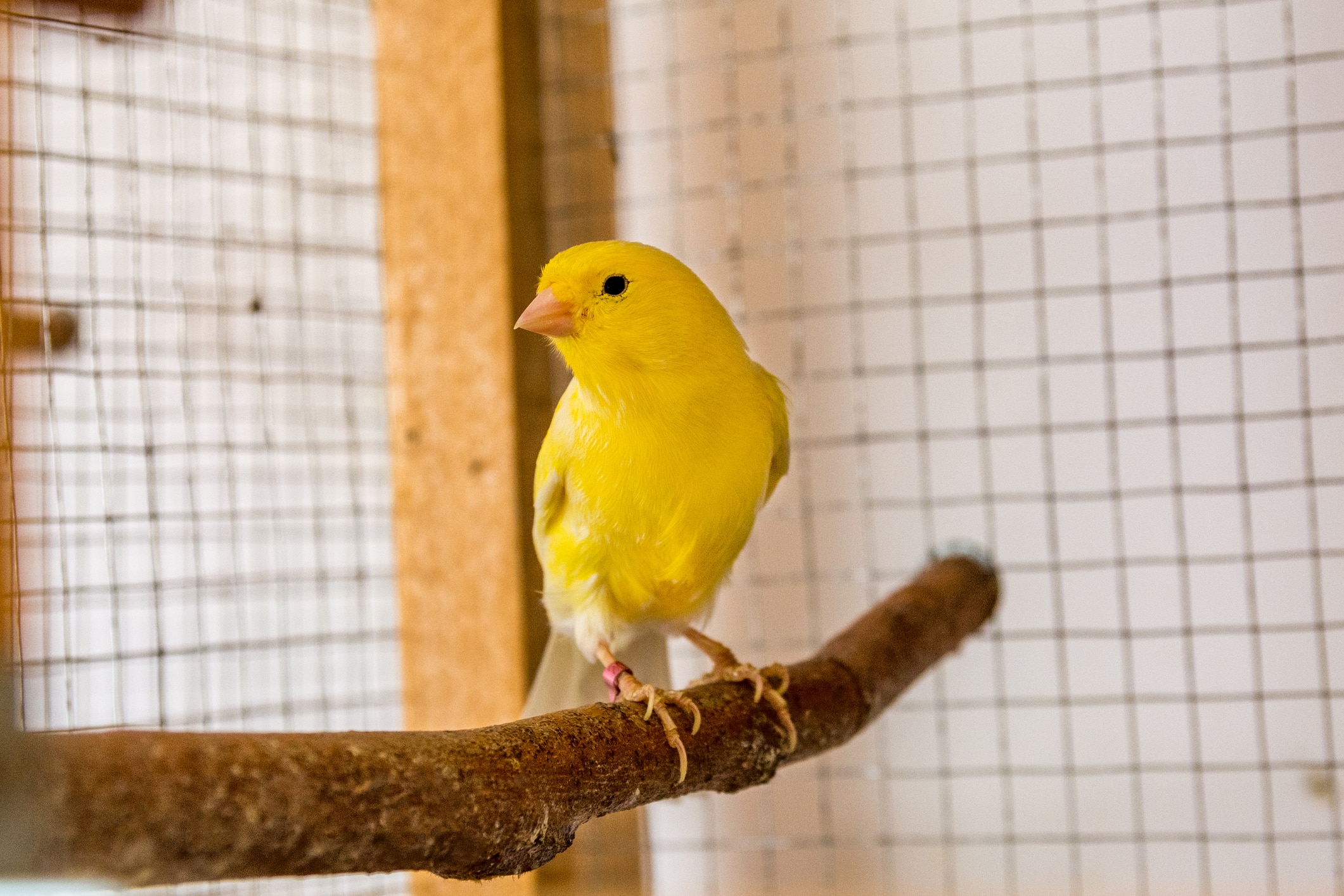
Photo by Slavica Stankovic/iStock/Getty Images Plus
Canaries are famous for their singing, but their songs generally aren’t as loud as the calls of larger companion birds. Male canaries are especially known for their elaborate songs.
Like finches, canaries are often better suited to pet parents who enjoy observing their bird rather than those looking for an especially cuddly or hands-on companion. Canaries can be housed individually, and adult males may become territorial toward other canaries, particularly during breeding season. If housing multiple canaries together, compatibility and adequate space are important.
3. Bourke’s Parakeets
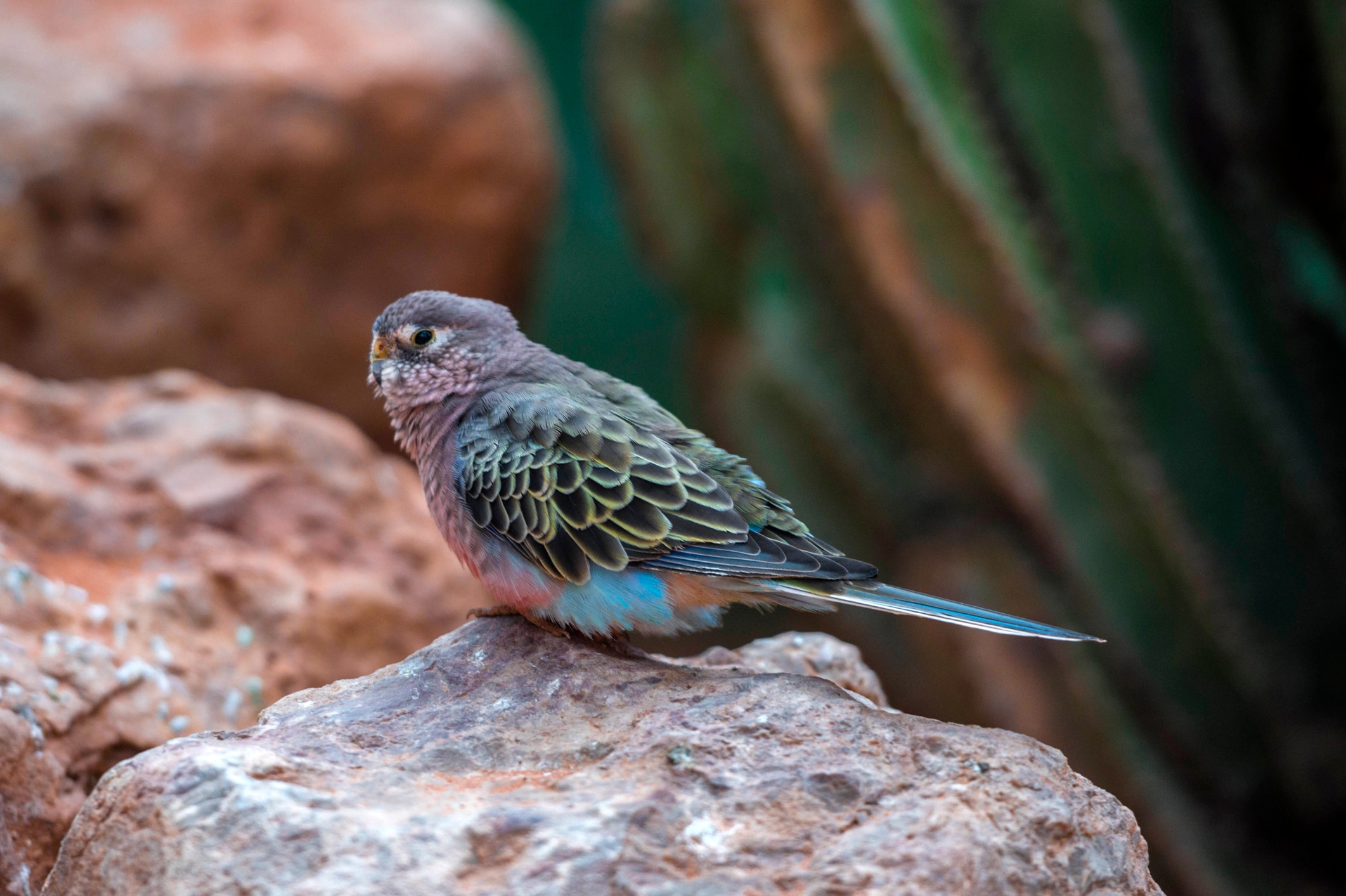
Photo by Aliusimago/iStock/Getty Images Plus
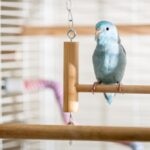
Bourke’s parakeets are small parrots known for their gentle demeanor and soft voices. Their vocalizations generally consist of quiet chirps, whistles, and chatter. They may become more active and vocal around dawn and dusk.
Despite their quieter reputation, Bourke’s parakeets still need appropriate housing, social interaction, enrichment, and opportunities for exercise.
4. Budgies
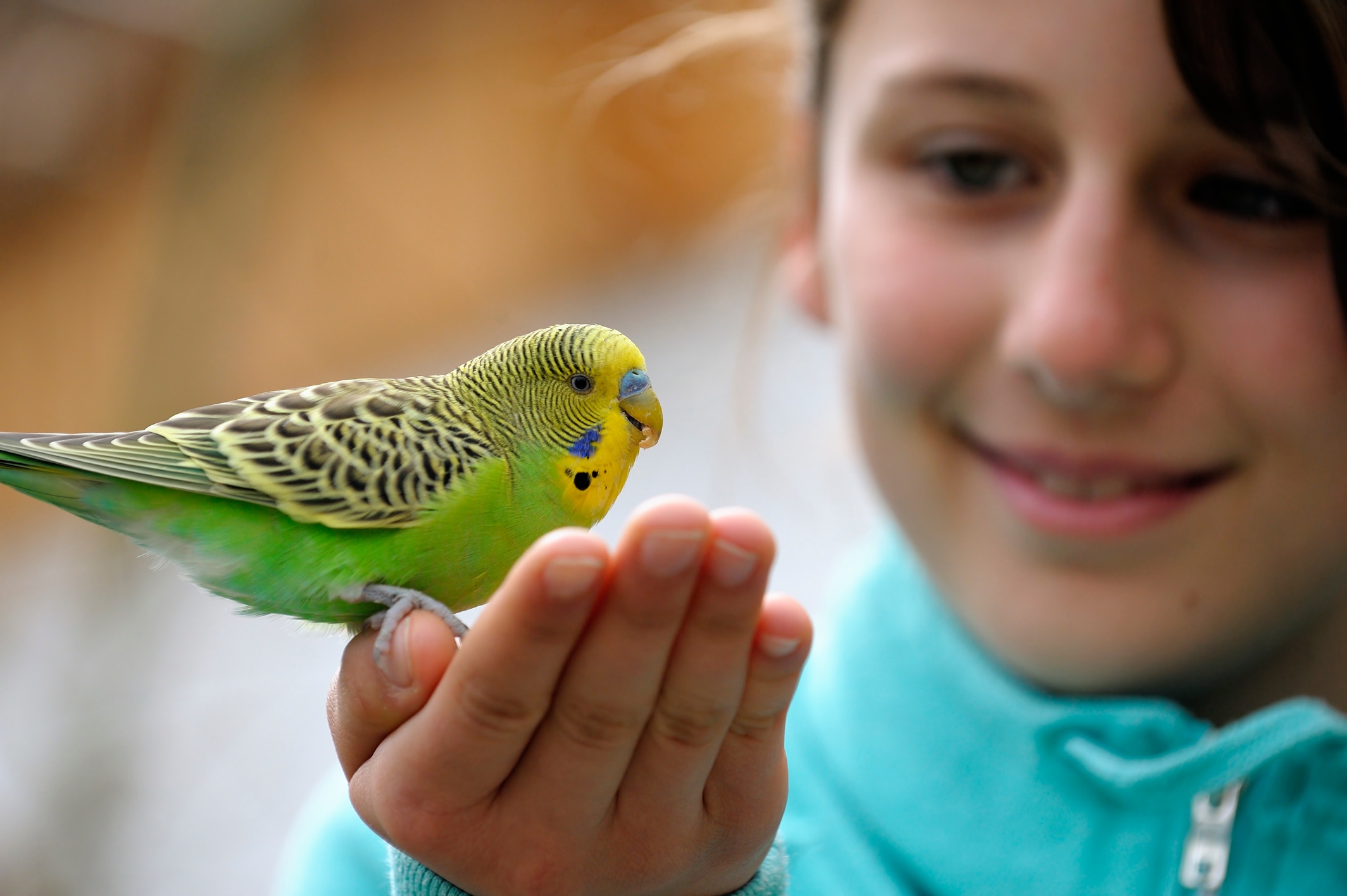
Photo by akrp/E+
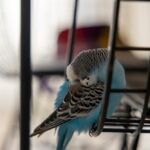
Budgies, commonly sold as as parakeets, aren’t necessarily quiet in terms of frequency—they can spend plenty of time chirping and chattering. Their calls are generally lower in volume than the powerful vocalizations of many larger parrots, but budgies can be persistent and surprisingly loud at times.
Budgies are intelligent, social birds who may learn whistles, household sounds, and even words. They require daily interaction and plenty of enrichment to keep them physically and mentally active.
Recommended Products

5. Cockatiels
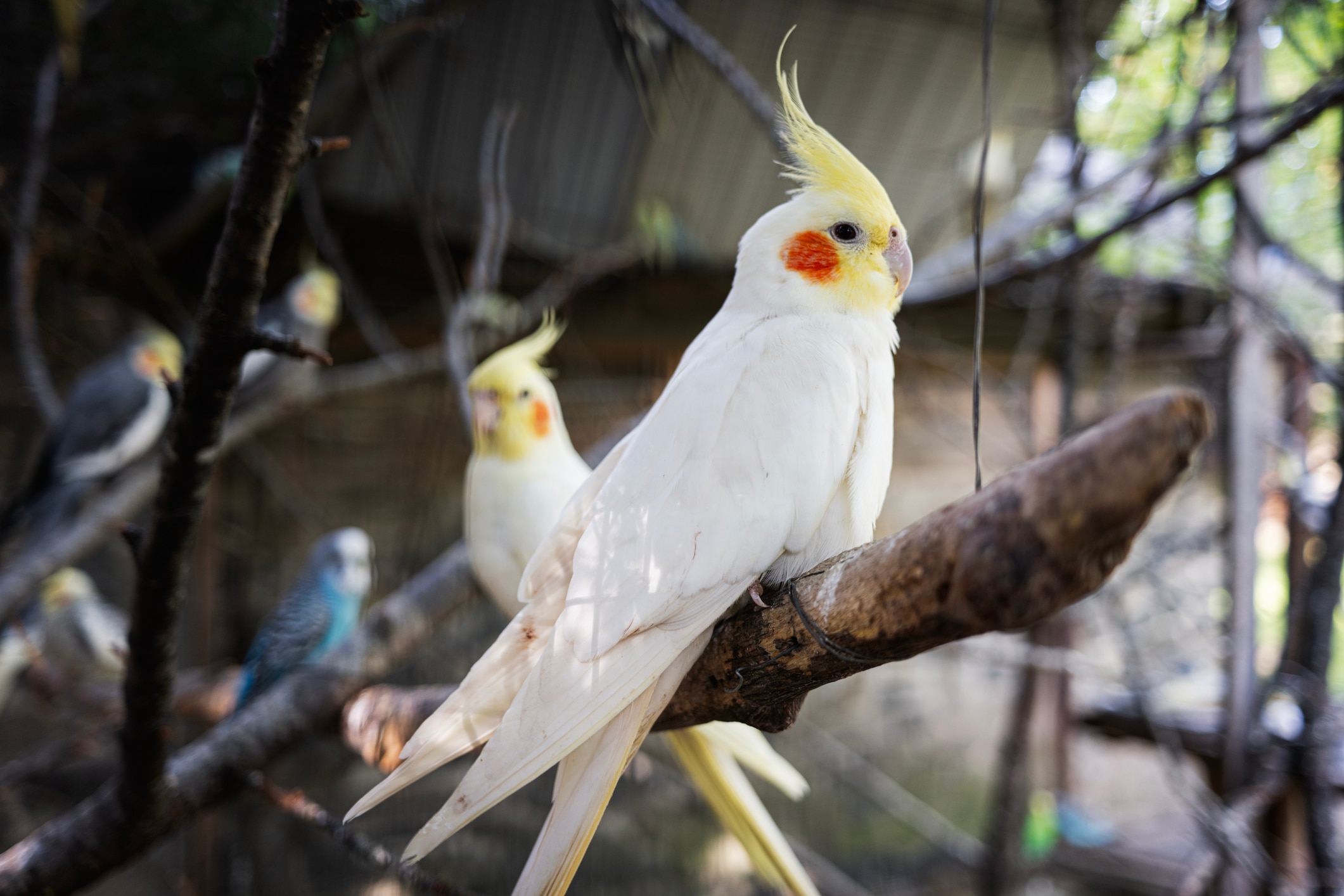
Photo by ASphotowed/iStock/Getty Images Plus
Cockatiels communicate with chirps, whistles, and contact calls, and some learn to imitate household sounds. They can become loud at times, especially males, so they aren’t the best choice for someone who needs quiet. However, their typical vocalizations may be more manageable than those of many larger parrots.
Cockatiels are social birds who generally need plenty of daily interaction with their pet parents or with other compatible birds, so be sure you have time to dedicate to them every day.
6. Parrotlets
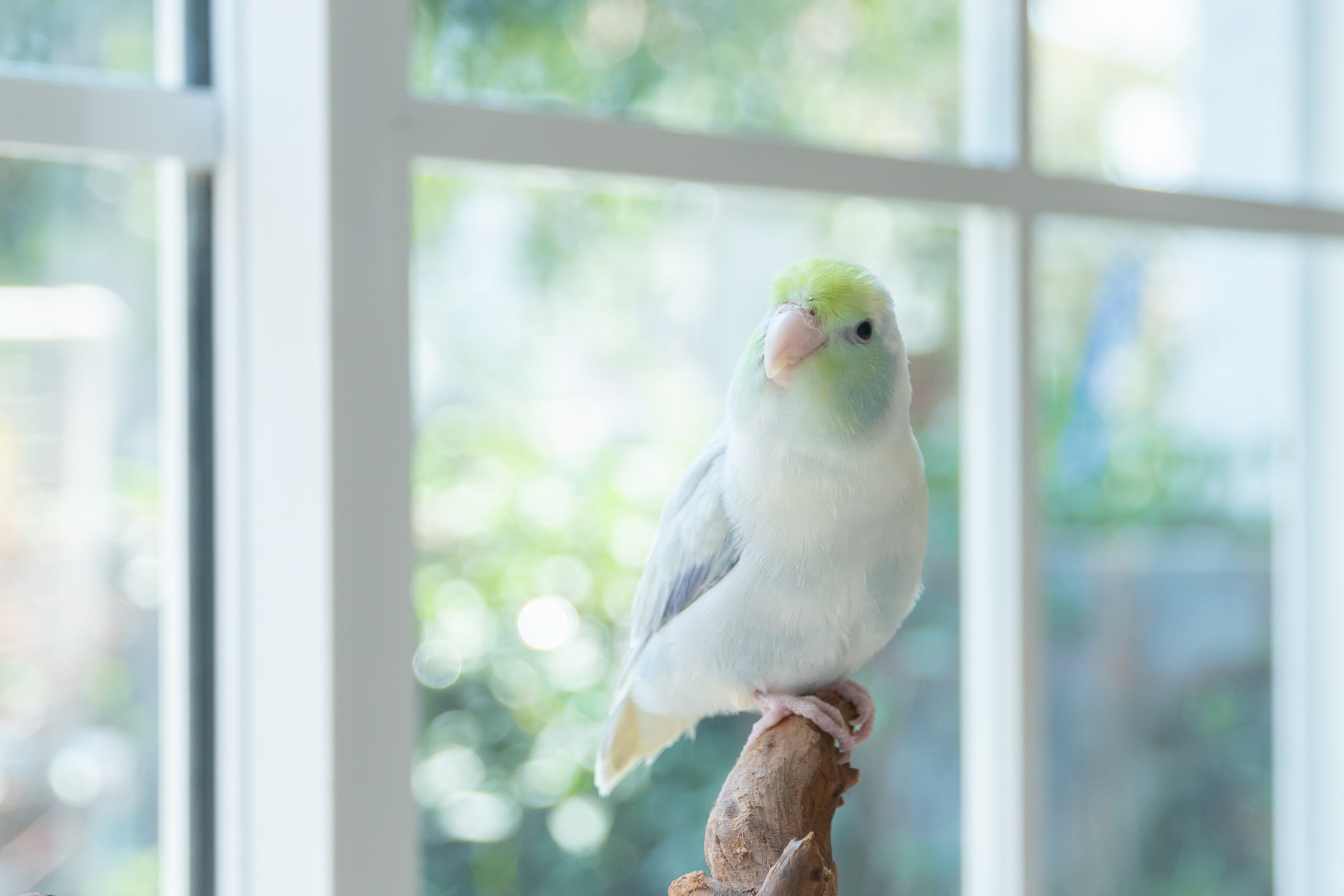
Photo by anurakpong/iStock/Getty Images Plus
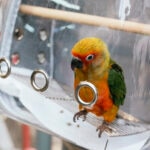
Parrotlets pack a lot of personality into a tiny body. Their vocalizations typically include chirping and chatter. Their everyday noises are often less powerful than those of many larger parrots, although they are capable of surprisingly loud or sharp calls.
Don’t mistake their small stature for low-maintenance care, though. Parrotlets are intelligent and active parrots who require social interaction, enrichment, exercise, and species-appropriate housing and nutrition.
7. Senegal Parrots
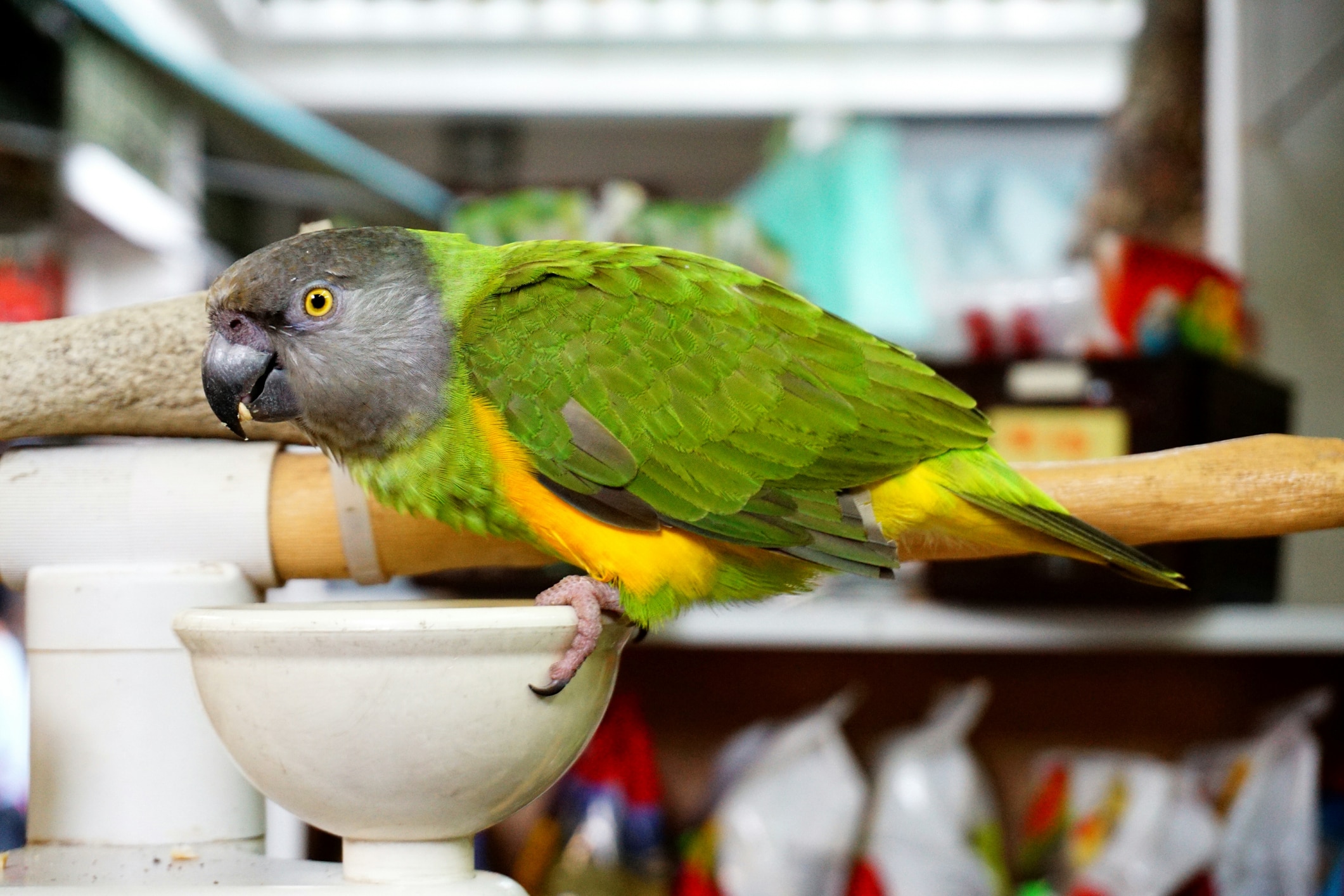
Photo by Yoyochow23/iStock/Getty Images Plus
For someone interested in a larger companion than a budgie or parrotlet, a Senegal parrot may be worth researching. These medium-sized parrots are generally considered quiet, relative to many larger parrot species. However, they still whistle, chatter, mimic sounds, and produce loud alarm calls.
Like other birds, Senegal parrots are intelligent, long-lived animals who require significant daily interaction, mental stimulation, and specialized care.
8. Doves
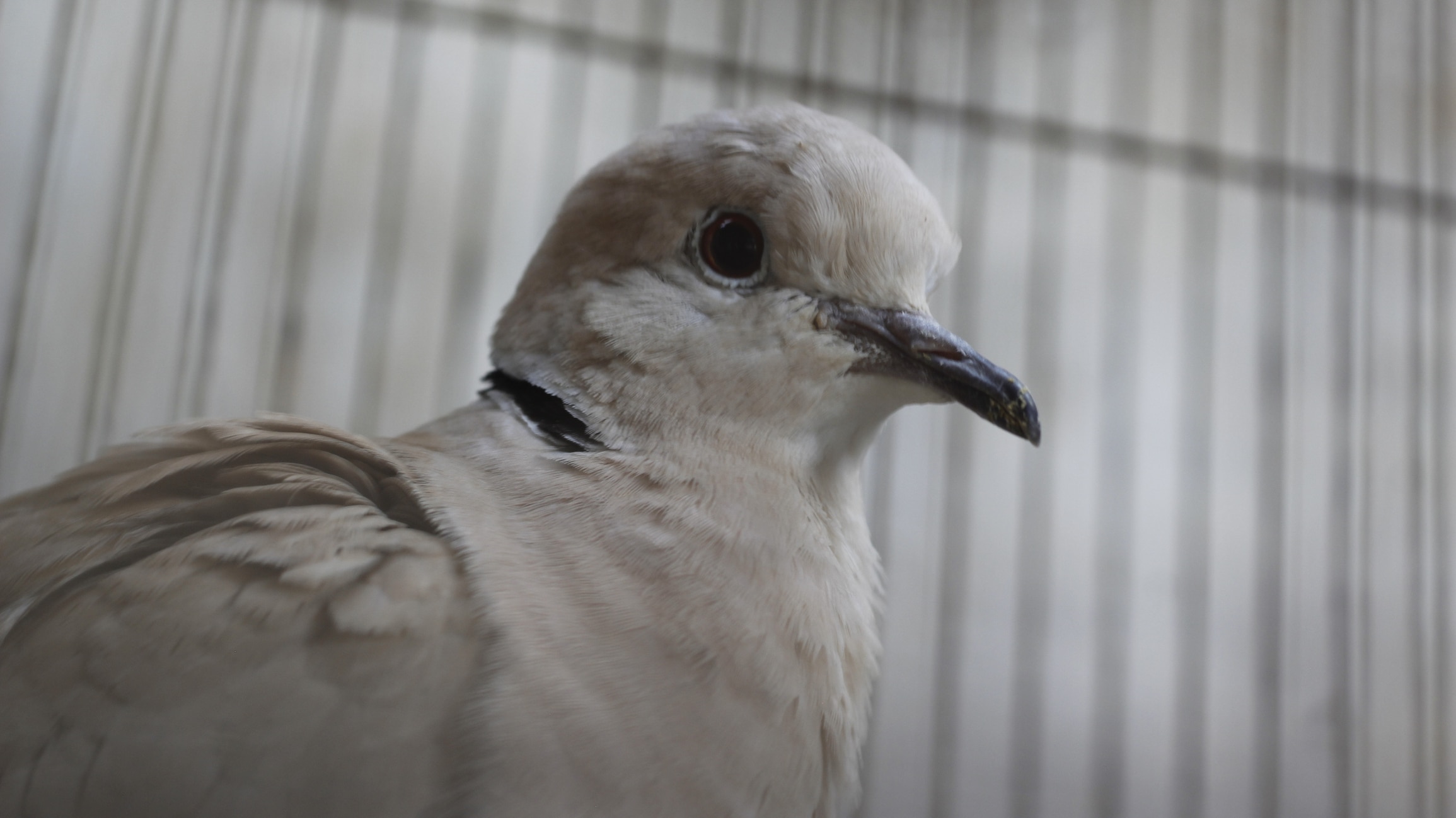
Photo by Arif Wihananto/iStock/Getty Images Plus
Doves such as the domestic ringneck dove or diamond dove offer a very different soundscape than parrots. Instead of whistles or squawks, they’re known for their soft, repetitive coos. While their calls are generally low in volume, doves may coo frequently.
Since different dove species make different sounds, it’s a good idea to listen to the species you’re considering before deciding to bring one of these birds home. In addition to making sure you enjoy the sounds they make, be aware that doves also have daily social, housing, nutritional, and enrichment needs.
What Are the Best Quiet Birds for Apartments?
Finches, canaries, Bourke’s parakeets, and doves are all worth researching if you’re looking for a relatively quiet bird for an apartment. Budgies and cockatiels can also work well in some homes, although individual birds may occasionally get loud.
Before adopting a bird, think about how easily sound travels through your building and whether your lease or HOA has rules about pets. Also consider the bird’s cage, exercise, and space needs—just because a bird is small or quiet doesn’t necessarily mean they’ll be happy with a small cage and minimal interaction.
How To Choose the Right Quiet Pet Bird
Noise level shouldn’t be the deciding factor when choosing a bird. Depending on the species, bringing home a bird can mean committing to many years—or even decades—of care.
Consider the bird’s expected lifespan, personality, social and handling needs, diet, housing requirements, and need for daily enrichment. Parrots in particular require substantial interaction and mental stimulation.
You’ll also need access to an avian veterinarian for preventive care and treatment of any illnesses that might arise.
Rather than expecting a bird to stay quiet—an unrealistic expectation—choose a species whose normal behavior and natural vocalizations fit your lifestyle. Vocalizing is part of being a bird, and the right feathered companion is one whose sounds you’re happy to hear.
Attributions
This article was created with assistance from AI tools. The content has been reviewed for accuracy and edited by a human.