5 Things To Know About Cockatiel Care

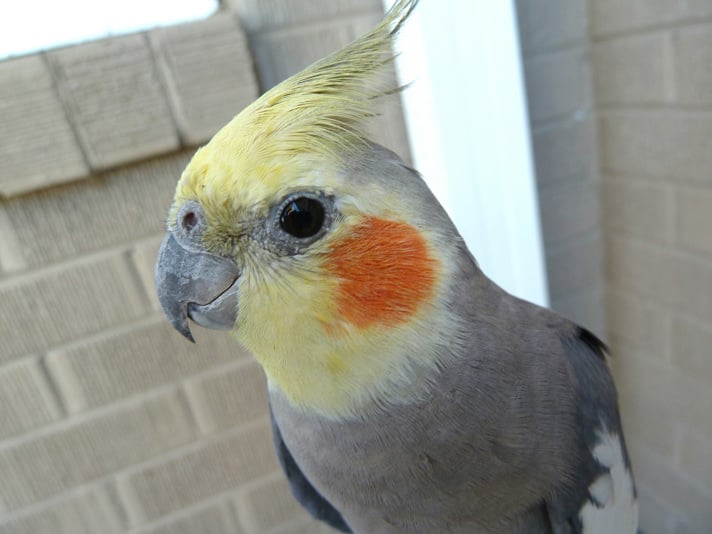
Photo by PROsad_poikilotherm/Flickr
Cockatiels continue to hold the title as America’s favorite companion bird. With their cheerful disposition and gentle nature, cockatiels make excellent companions for children, families, the elderly, and those who are chronically ill.
Before becoming a new pet parent to a cockatiel, here are five important things to know about cockatiels that’ll help you provide the best care for your ‘tiel.
Key Takeaways
- Cockatiels thrive on consistent daily routines, including regular feeding, cleaning, and bedtimes.
- These sensitive birds need gentle handling, patience, and time to build trust with their pet parents.
- Cockatiels produce powder down that can accumulate around the home and trigger allergic reactions in people.
- Hormonal changes can cause behaviors such as egg-laying, nipping, and aggression in both male and female cockatiels.
- Cockatiels of any age can be tamed with patience, gentleness, and perseverance.
1. Cockatiels Are Creatures of Habit
Cockatiels thrive on schedules and become accustomed to regular feed and clean-up times. Professional aviculturists understand the value of keeping birds on a regular schedule to help develop trust and a growing bond, where birds learn they can count on you daily.
Regular bedtimes—even on weekends—allow your cockatiel to get the rest they need to remain happy and healthy. Sufficient exercise—supervised outside the bird cage, as well as proper rest and healthy bird food act as preventatives to illness.
Any changes to a cockatiel’s cage or location should be done gradually, as sudden changes can be upsetting for cockatiels. So keep favorite toys, food cups, other birds or people your bird is attached to around to provide comfort and continuity.
2. Cockatiels Are Highly Sensitive
Whether hand-fed, or parent reared, approach your cockatiel slowly and calmly, with a gentle, soothing voice to gain trust and establish a bond. Gaining trust takes time and your approach can either help or hinder the process.
Unless a cockatiel is defending their territory or nesting site, aggressive behavior in cockatiels is a fear response. Fearful cockatiels will “hiss” like a snake, spread their wings, and raise their crests to the alert status to give the impression they are much larger and more dangerous than they actually are.
Cockatiels are the “alert birds” of mixed flocks, the first to signal unknown danger through their high pitched calls. They are also most susceptible to night frights and need a night light to prevent crashing into walls in the dark.
Respect your cockatiels feelings; back off, or end a training session on a positive note with soothing, reassuring tones and reward treats. Once your cockatiel learns you are not a threat, they will eventually seek out your companionship.
3. Cockatiels Produce Dust From Powder Down
If you keep several cockatiels, you might notice a continual light coating of dust in your house, or that you are dusting more than usual. Cockatiels and cockatoos are among the few parrots that produce a powder down, or have pulviplumes (pulvis means dust or powder, and plume means feather).
While a cockatiel preens her feathers, she spreads this powder throughout her plumage. Powder down is a known antigen in humans and can cause an allergic reaction to people who are sensitive to it.
It’s highly recommended to invest in a good quality air cleaner to keep the dust to a minimum. Bathing your cockatiel regularly helps to control the dust produced. Avoid possible drafts from open windows, air conditioners, or heating elements that can lead to respiratory illness.
4. Hormonal Changes Affect Both Male and Female Cockatiels
Many female cockatiels lay one or more eggs at about a year of age, or once physiologically mature. It’s usually not a matter of if a female cockatiel will lay eggs, but when.
Never, ever, remove an egg once laid, because removing an egg will trigger her to lay another egg to make up for the loss. Allow her to incubate and abandon her eggs of her own accord, when she is ready.
Rising hormones can cause your cockatiel to show transferred aggression by biting another bird or object nearby (for example, your fingers!), so don’t take it personally. Males will often become aggressive to their owners, nipping and biting, once they are ready to breed.
These hormonal phases are temporary. Once hormone levels return to normal, your cockatiel will return to its usual loving, cheerful behavior.
5. Cockatiels Can Be Trained at Any Age
Although it is much easier to tame a baby cockatiel, or purchase a handfed baby that is already tame, any cockatiel, no matter their age, can be tamed. The secret is patience, gentleness and perseverance!
I have heard many stories of older cockatiels becoming tame when finding a caring, new owner later in life. It may take time for an older bird to gain your trust, but with perseverance, patience, and gentle coaxing, older birds can be tamed.
The secret? Never, ever, give up on a bird. If you still find you have difficulty, consult a professional bird behaviorist to learn how to relate to an older bird.
FAQs About Cockatiel Care
Are cockatiels good pets for families?
Yes! Cockatiels are known for their cheerful disposition and gentle nature, making them good companions for children, families, older adults, and people with chronic illnesses.
How can I help my cockatiel feel comfortable at home?
Establish a consistent daily routine, approach your cockatiel slowly and calmly, and use a gentle voice. When changing your bird’s cage or location, make the transition gradually and always keep familiar toys and food cups near your ‘tiel.
Why does my cockatiel hiss, spread its wings, or raise its crest?
These behaviors can be signs of fear. Give your cockatiel space, use a soothing voice, and if this happens while you’re training your ‘tiel, end the session on a positive note with reassurance or treats.
Do cockatiels produce a lot of dust?
Cockatiels produce powder down that spreads through their feathers during preening. This powder can accumulate around your home and trigger allergic reactions in sensitive people. Regular bathing of your cockatiel and a good-quality air cleaner can help manage the dust.
Can an older cockatiel still be tamed?
Yes! Cockatiels can be tamed at any age. Older birds may need more time to trust a new caregiver, but patience, gentle coaxing, and perseverance can help them become comfortable with their pet parents.
Attributions